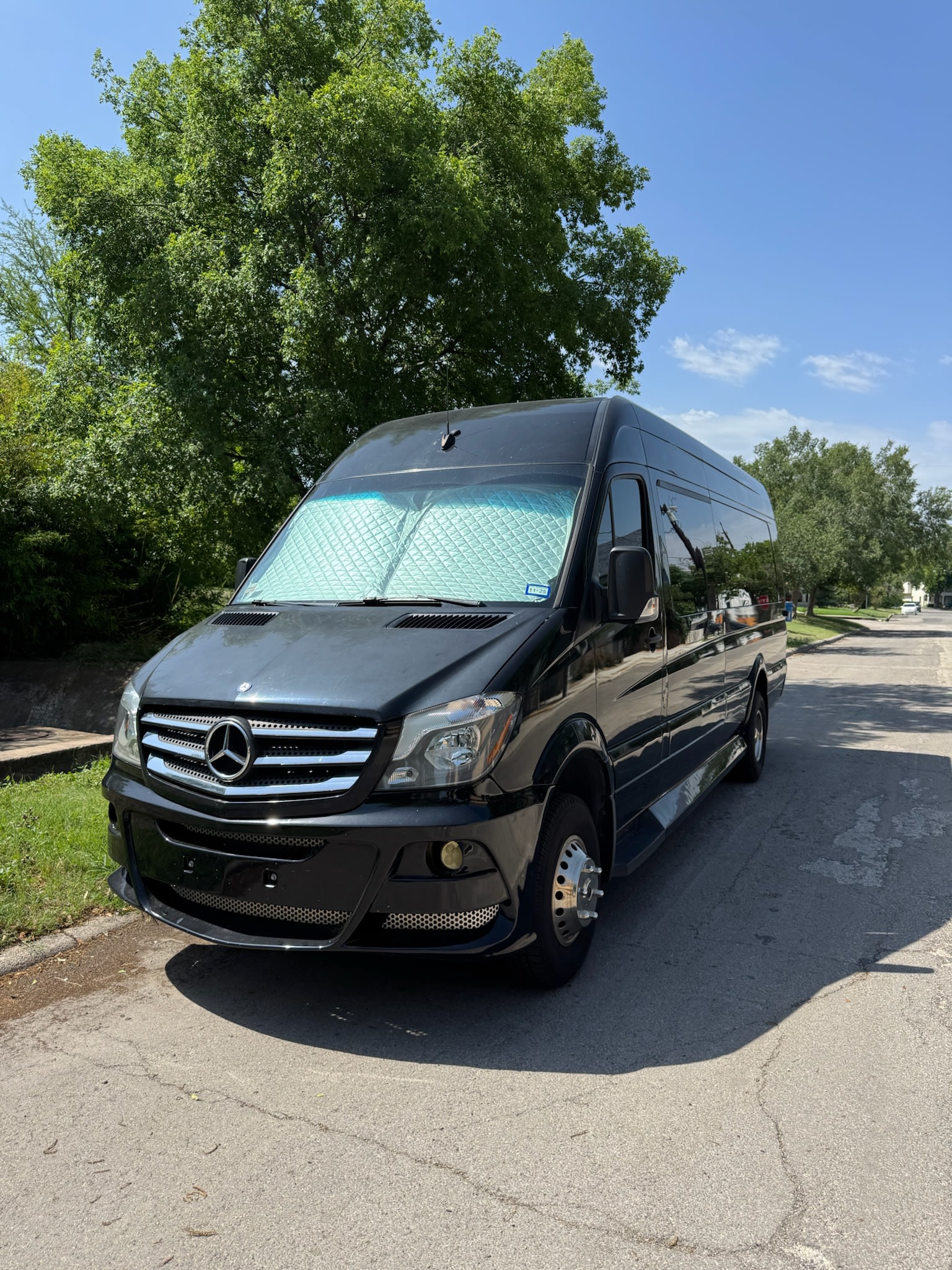
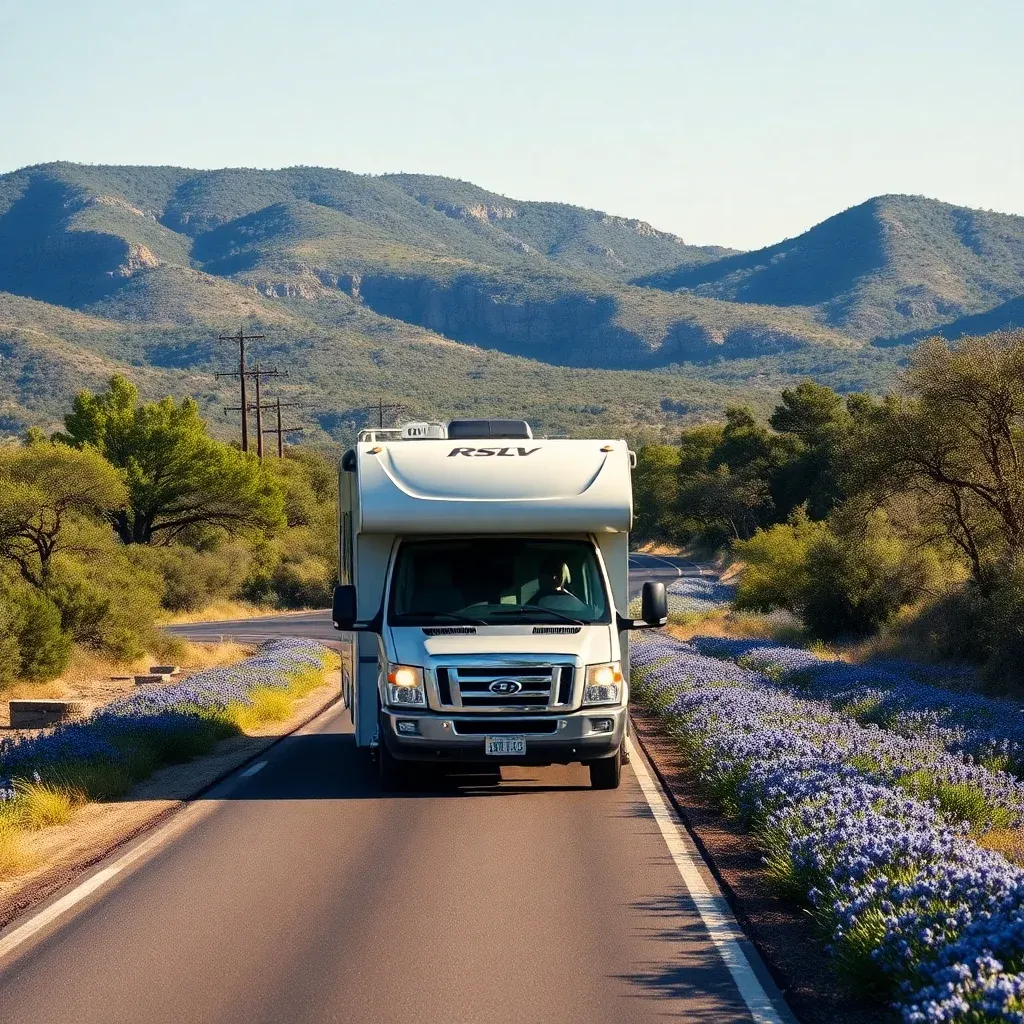
Best RV Rentals in San Antonio, Texas
Expert-reviewed RV rental companies for San Antonio, the Texas Hill Country, and beyond. Find your perfect Texas RV from $130-215/day.
Personally Visited
Expert Reviewed
Updated April 2026
3+ Rental Companies
4.7★ Average Rating
$130-215 Per Day
Find an RV near San Antonio, TX
Prices as of July 2026 · confirm live rates at checkout.
Class B Campervans
Travel Trailers
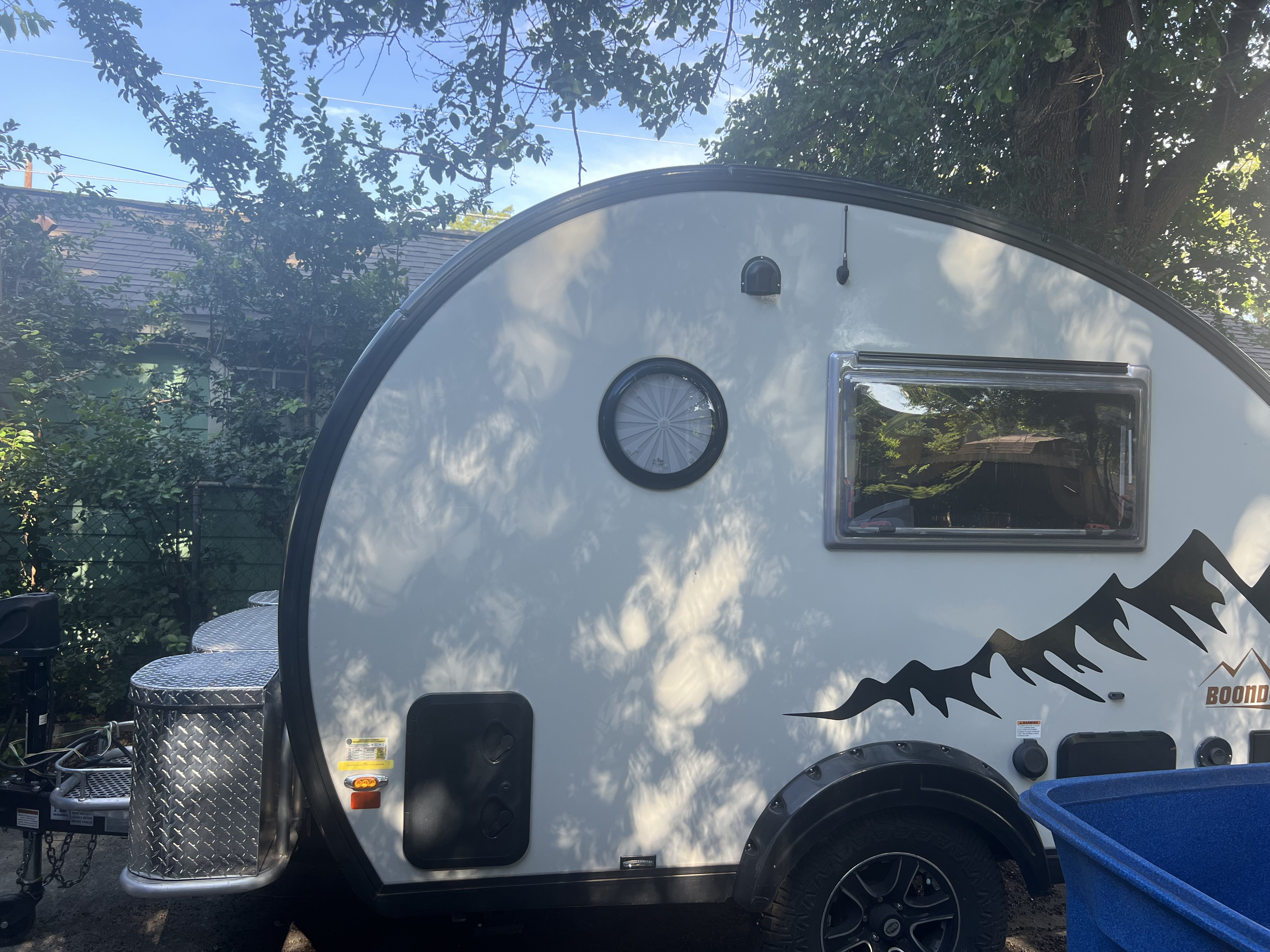
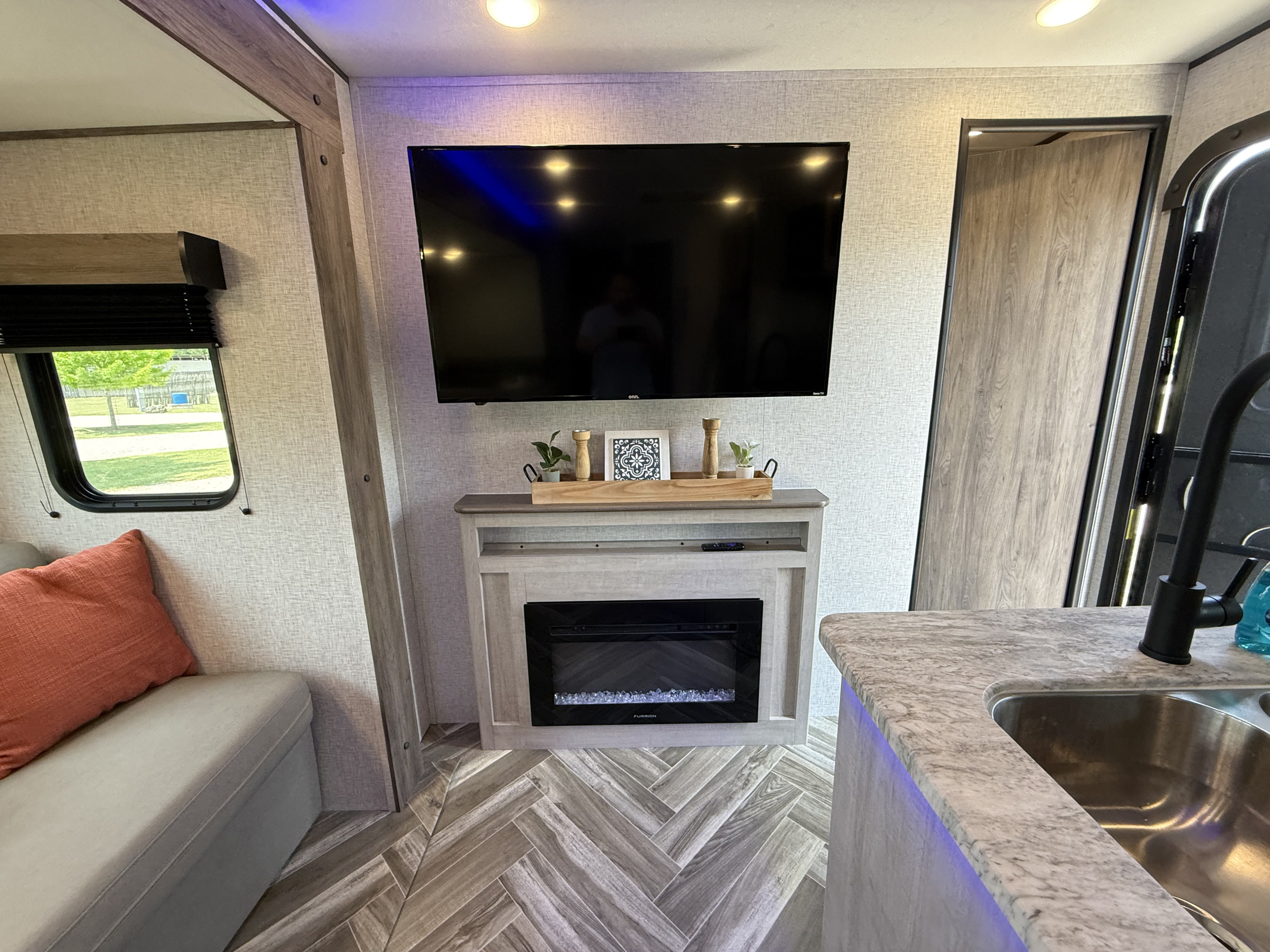
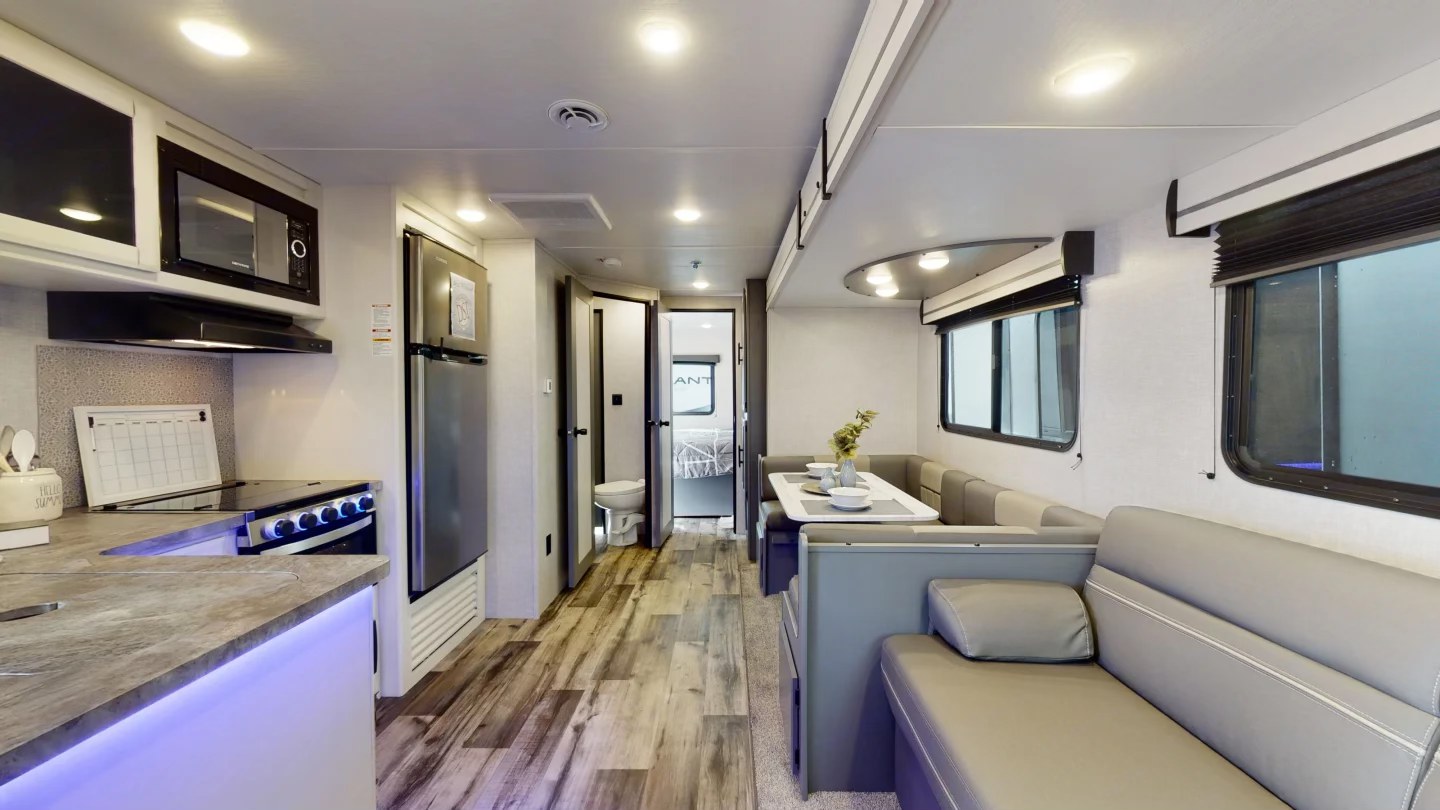
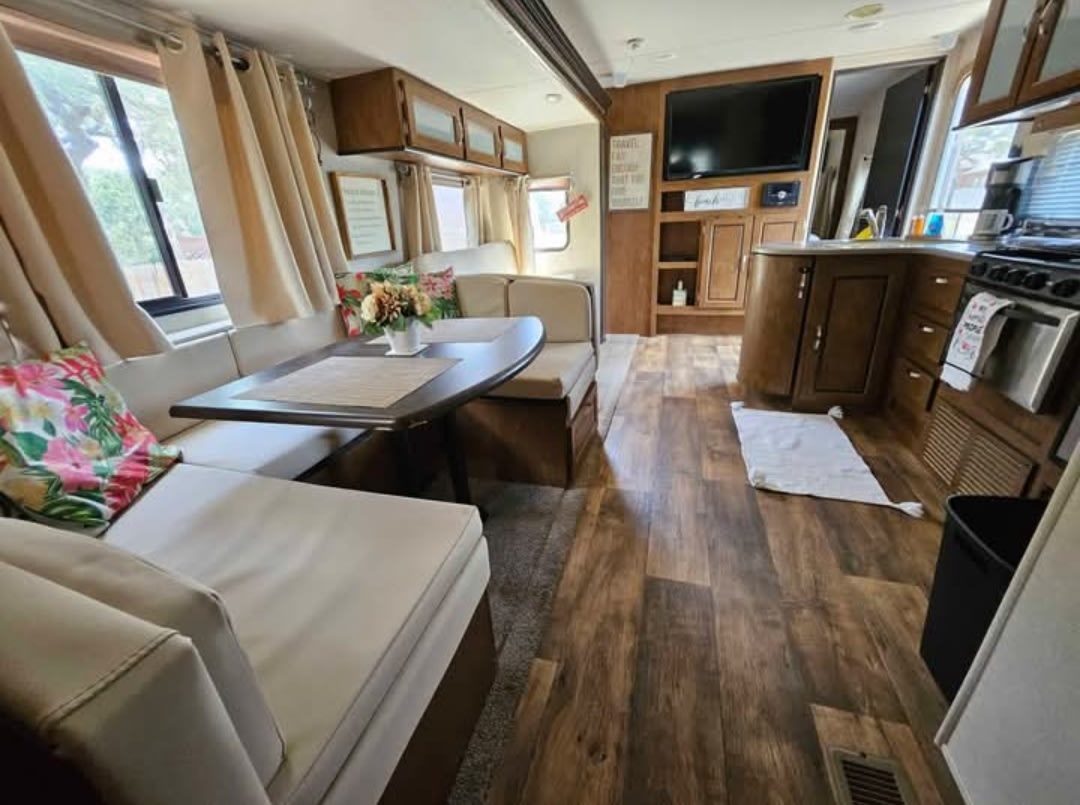
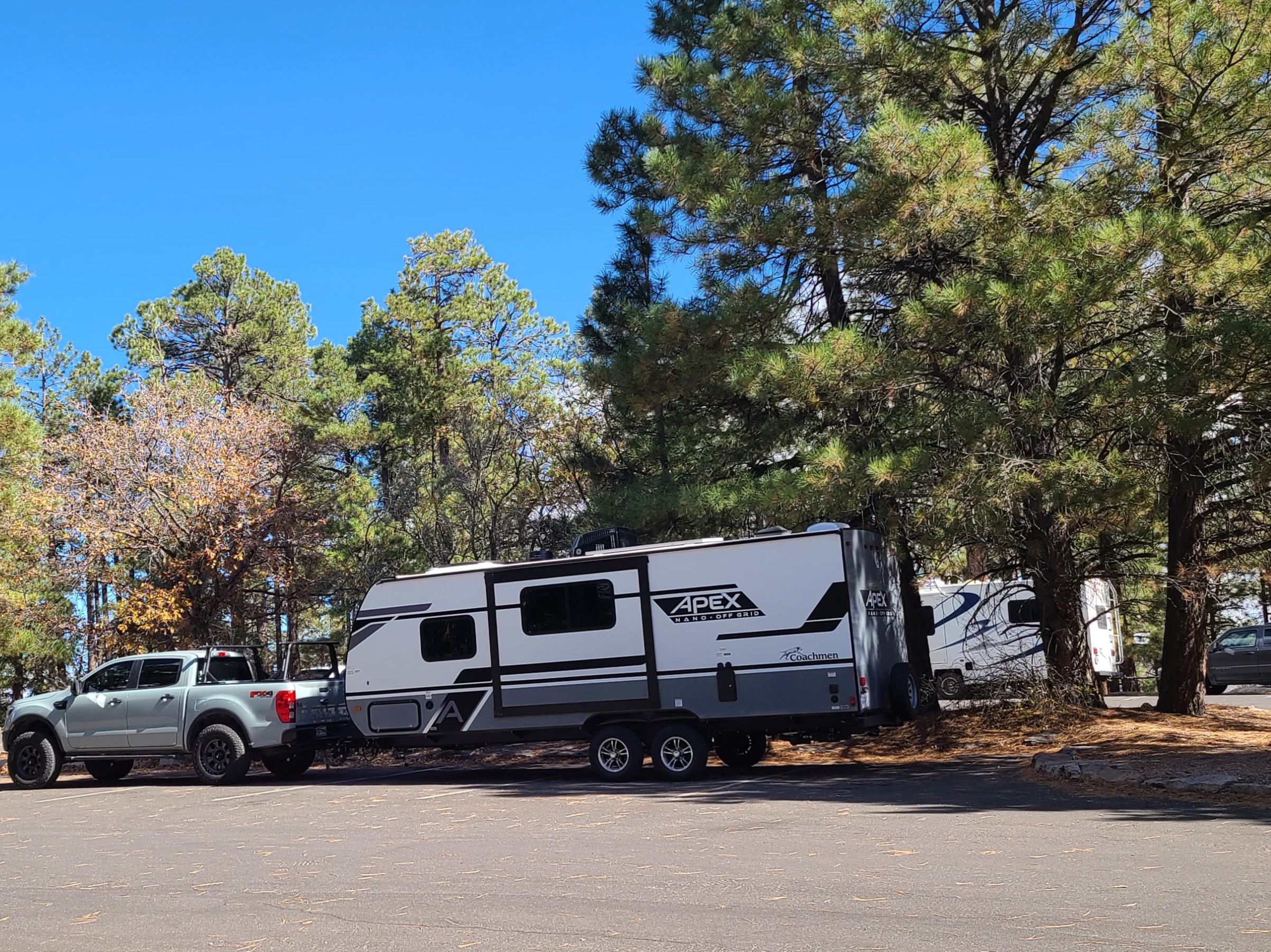
San Antonio RV Rental Quick Facts
Everything you need to know at a glance for your Texas Hill Country or coastal Texas trip
Average Daily Rate $130-215 (spring/Fiesta $165-250)
Number of Rental Companies 3+ reviewed, 165+ peer-to-peer listings
Best Time to Rent Spring (Mar-May) and Fall (Sep-Nov) — Hill Country at its best
Airport Distance San Antonio Intl (SAT) — 8 miles north of downtown
Popular RV Types Class C motorhomes, travel trailers, Class B vans
Typical Booking Lead Time 6-8 weeks for Fiesta and spring break; book campsites first
Top Rated RV Rental Companies in San Antonio
Our team has personally reviewed and tested these rental companies serving the San Antonio metro area, Texas Hill Country, and South Texas coast. All ratings are based on vehicle condition, customer service, pricing transparency, and overall value for Texas road trips. Each listing includes honest pros AND cons.
| Company | Rating | Starting Price | Fleet Size | Mileage Policy | Best For | Browse Rentals |
|---|---|---|---|---|---|---|
| Fireside RV Rental | 4.9/5.0 ★ | $130/day | 30+ premium vehicles | Unlimited miles included on all rentals | Texas families and couples seeking personalized service for Hill Country, coast, and Big Bend adventures | Browse Available RV Rentals → |
| Outdoorsy | 4.6/5.0 ★ | $125/day | 100+ private vehicles | Varies by owner, typically 100-150 miles/day included | Travelers wanting variety and competitive pricing for Texas Hill Country and coast trips | Browse Available RV Rentals → |
| RVshare | 4.7/5.0 ★ | $145/day | 65+ private vehicles | Varies by owner, typically 100-125 miles/day included | Experienced renters seeking flexibility for extended Texas road trips | Browse Available RV Rentals → |

Why Trust This San Antonio RV Rental Guide
Ratings follow our testing methodology.
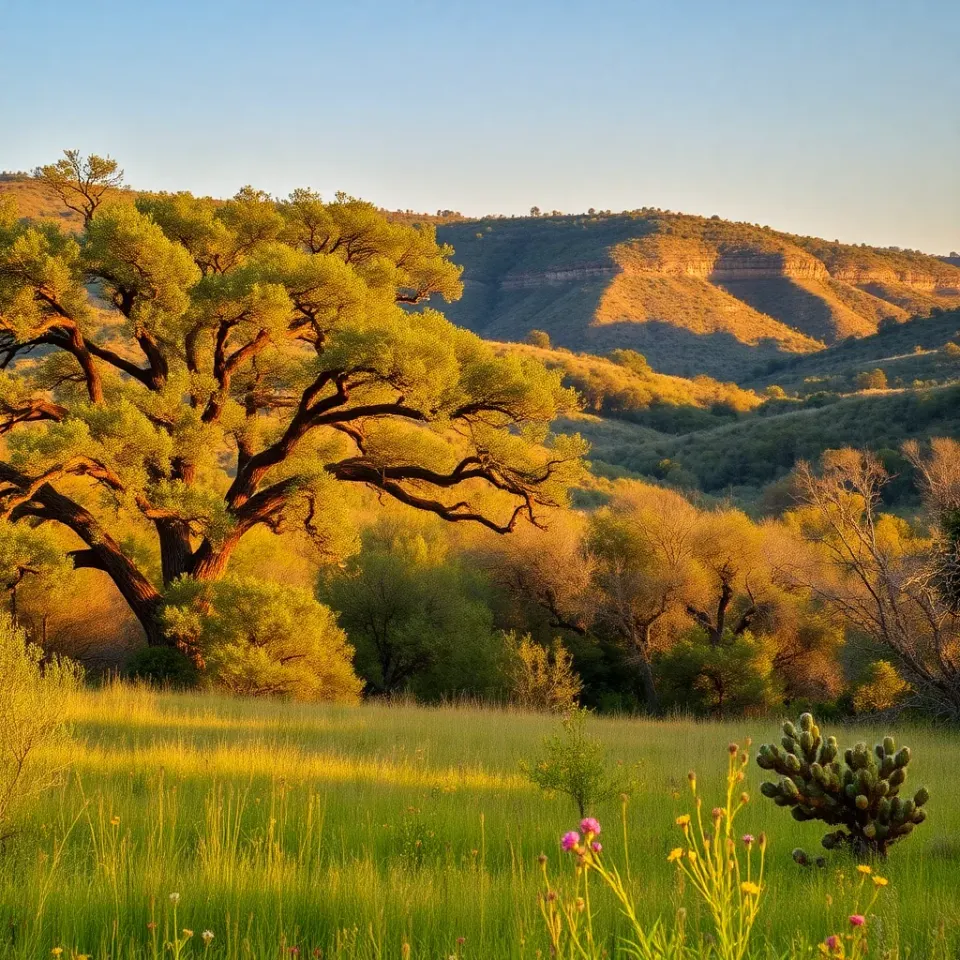
The Texas Hill Country — rolling limestone hills, spring-fed rivers, wineries, and the best wildflower display in the state, all within 45-90 miles of San Antonio

⭐ Recommended
1. Fireside RV Rental
We've seen it starting from: $130/day
Fleet Size: 30+ premium vehicles
Pickup Location: San Antonio, TX metro area
Insurance: Basic liability included, supplemental damage coverage available for $25-35/day
Mileage Policy: Unlimited miles included on all rentals
Best For: Texas families and couples seeking personalized service for Hill Country, coast, and Big Bend adventures
Pros:
- Local San Antonio business with personalized Hill Country expertise
- Well-maintained newer fleet (average 2-3 years old)
- Unlimited miles included on all rentals
- Flexible pickup and drop-off by appointment
- Comprehensive orientation for first-time renters
- Pet-friendly with no extra fees
Cons:
- Smaller fleet — book 6-8 weeks ahead for spring and holiday weekends
- Limited luxury Class A motorhomes
- No 24/7 pickup (appointments required)

2. Outdoorsy
We've seen it starting from: $125/day
Fleet Size: 100+ private vehicles
Pickup Location: Peer-to-peer platform, 100+ vehicles in San Antonio metro area
Insurance: Comprehensive $1M liability insurance included on every booking; physical damage protection starting at $35/day
Mileage Policy: Varies by owner, typically 100-150 miles/day included
Best For: Travelers wanting variety and competitive pricing for Texas Hill Country and coast trips
Pros:
- Largest peer-to-peer selection in South Texas
- $1 million liability insurance included on every booking
- Verified owner reviews and detailed vehicle photos
- Flexible pickup locations across San Antonio and suburbs
- Easy mobile app booking with 24/7 customer support
- Weather guarantee — rebook at no cost for severe weather cancellations
Cons:
- Quality varies by owner — read recent reviews carefully before booking
- 20% service fee adds to the total cost at checkout
- Owner cancellations can happen — have a backup plan for Fiesta and spring break

3. RVshare
We've seen it starting from: $145/day
Fleet Size: 65+ private vehicles
Pickup Location: Peer-to-peer platform, 65+ vehicles in San Antonio metro area
Insurance: Rental insurance required, starts at $35/day through platform
Mileage Policy: Varies by owner, typically 100-125 miles/day included
Best For: Experienced renters seeking flexibility for extended Texas road trips
Pros:
- Good variety of RV types for Texas road trips
- Often newer vehicles from private owners
- Flexible pricing and rental terms
- Strong selection for spring break and Hill Country season
- Detailed owner reviews available
Cons:
- Quality varies by owner - read reviews carefully
- Some owners have strict mileage limits that can be costly on long Texas drives
- Insurance can be more expensive
Company Information: Rental company details, including pricing, hours, and policies, are subject to change. We recommend verifying all details directly with the rental company before finalizing travel plans. If you notice outdated information, please contact us.
Top RV Campgrounds Near San Antonio
San Antonio itself is more of a base camp than a destination — the best RV camping sits within 30-90 minutes of the city in the Hill Country, along the Guadalupe and Comal Rivers, or along I-10 for easy access. Here's where I've stayed and which spots are worth the advance planning.
Enchanted Rock State Natural Area
90 miles northwest — Fredericksburg area
The iconic 425-foot pink granite dome rising out of the Hill Country. 60 drive-in campsites with water and electric ($20/night), plus walk-in primitive tent sites. Sites max at 28 feet so measure your rental — larger Class C and all Class A rigs won't fit. Book via texasstateparks.reserveamerica.com up to 5 months ahead. Spring and fall weekends disappear within minutes of the booking window opening. Climbing the dome at sunrise is unforgettable; the night sky rating is exceptional (Class 2 Bortle).
Reserve a Site →Pedernales Falls State Park
75 miles north — between Johnson City and Dripping Springs
One of the most underrated Hill Country state parks. 69 sites with water and 30-amp electric ($24/night), many tucked into live oak groves. The Pedernales River flows through limestone bedrock creating small cascades and swimming holes in summer. Easier to book than Enchanted Rock — try 3-4 months ahead for weekends. RV length max is 37 feet on most loops, 30 feet on loop B. Great base for day-tripping to LBJ Ranch, Fredericksburg wineries, and Luckenbach.
Reserve a Site →Garner State Park
95 miles west — on the Frio River
The most popular state park in Texas. The Frio River runs cold and clear right through the park, and summer evenings feature a nightly jukebox dance at the pavilion that's been a Texas tradition since 1941. 329 sites split across multiple areas; full hookups run $30/night, water/electric only $24/night. Summer weekends open for reservations exactly 5 months ahead and sell out within minutes — set a calendar alarm. Fall weekends (Oct-Nov) are slightly easier but still competitive. RV length max varies by loop (24-55 feet).
Reserve a Site →Admiralty RV Resort (San Antonio)
Right in San Antonio — Leon Springs/I-10 area
The premium full-hookup RV resort closest to downtown San Antonio. 30/50 amp full hookups, concrete pads, pool, clubhouse, and reliable Wi-Fi. Rates $55-75/night depending on season and site. Good choice if you're arriving by air and need a first-night transition base, or if you're basing in San Antonio for Fiesta and planning day trips to the Hill Country. Books up for Fiesta and spring break 4-6 months ahead. Clean, quiet, and well-maintained — a rare combination in metro San Antonio RV parking.
Check Availability →Guadalupe River RV Resort (New Braunfels)
35 miles northeast — on the Guadalupe River
The best base for summer river-tubing trips on the Comal and Guadalupe. Full hookups, river access, and walking distance to tubing outfitters in Gruene and New Braunfels. Rates $55-75/night in summer, $40-55 off-season. Summer weekends (May-September) book out 2-3 months ahead thanks to the river-tubing demand. A different atmosphere than Hill Country state parks — this is a party river scene in summer, quieter in spring and fall.
Check Availability →Best Time to Rent & Visit San Antonio, Texas
Timing your San Antonio RV rental correctly is the difference between a magical Hill Country wildflower trip and a miserable 100-degree scramble for shade. I've visited South Texas in every season, and the seasonal swings here are more dramatic than most travelers realize.
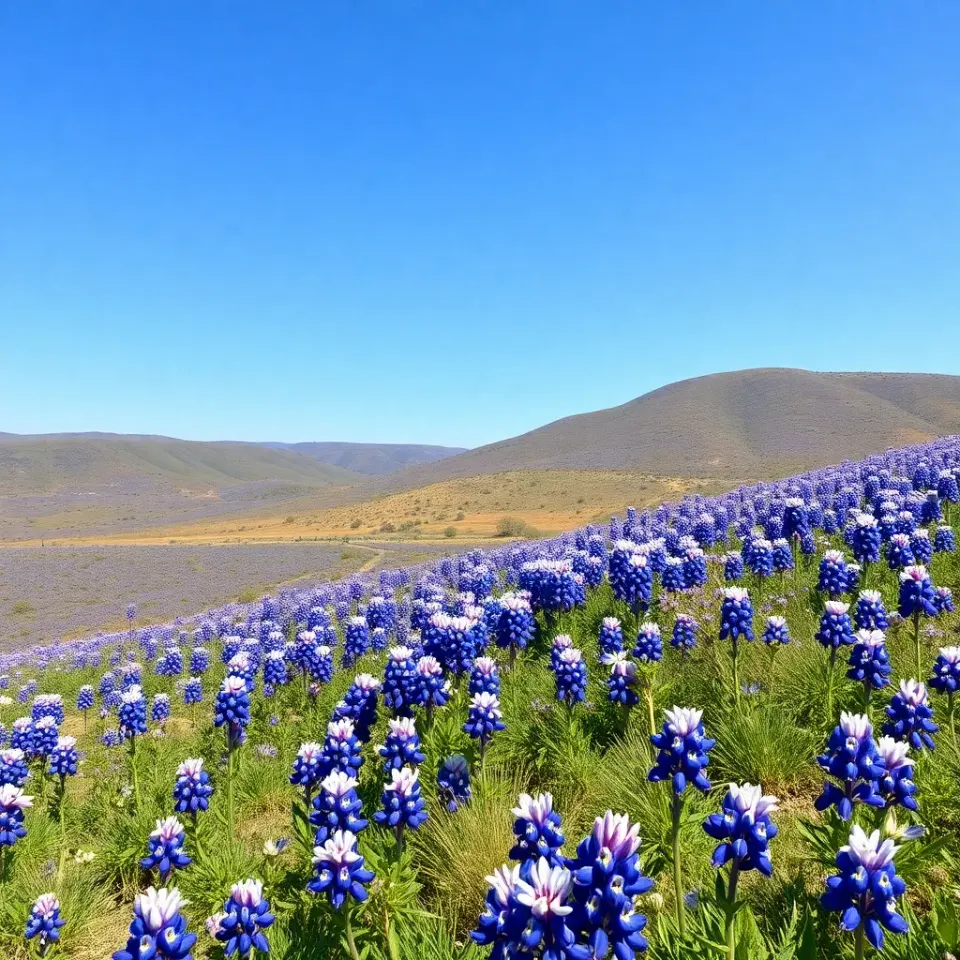
Bluebonnets and Indian paintbrush along Willow City Loop in April — the reason spring Hill Country RV trips from San Antonio are unforgettable
Spring (March-May) — Peak Season, Wildflowers, Highest Prices
Spring is the headline season for San Antonio RV rentals. Daytime temperatures sit in the 65-82°F range through March, April, and May — perfect for driving with windows down and sleeping with AC off. Hill Country wildflowers peak in early-to-mid April: bluebonnets along Willow City Loop, Indian paintbrush through Fredericksburg, and thousands of wildflowers across the Texas Department of Transportation-seeded right-of-ways. Campground availability at state parks is tight but manageable if you book 3-4 months ahead.
Peak Booking Period: Fiesta San Antonio (late April, 10 days) and spring break (mid-March through early April) are the two demand surges. RV rental rates spike 30-45% for Fiesta week specifically. Class C rentals that run $165/day in February can hit $240-280/day during Fiesta. Downtown San Antonio RV parks sell out 4-6 months ahead for Fiesta.
Spring Events to Know: San Antonio Stock Show & Rodeo runs 18 days in February (into early March) — generates a 10-15% rate bump. Fiesta San Antonio (usually mid-to-late April, exact dates shift annually) is the city's signature 10-day celebration — parades, NIOSA food festival, Battle of Flowers Parade. If you're not attending Fiesta, book the week immediately before or after for shoulder-season pricing at near-peak wildflower conditions.
Best Spring Activities from San Antonio:
- Willow City Loop — 13-mile wildflower drive northeast of Fredericksburg; peak bloom mid-April
- Enchanted Rock — the dome is beautiful in spring with clear skies and cool mornings
- Fredericksburg wineries — along US-290, tasting rooms open daily; spring is harvest prep season
- Luckenbach — the tiny town made famous by Waylon and Willie; live music most afternoons in spring
- LBJ Ranch (Johnson City) — the Texas White House; free National Park Service tours
Summer (June-August) — Brutal Heat, Lower RV Rates
San Antonio summer is not a joke. Daytime highs of 94-100°F are routine, with humidity that pushes the heat index to 105-110°F by late afternoon. The pavement radiates heat well past sunset. San Antonio is one of the rare markets where summer rates ($145-210/day) undercut spring pricing — the 100-degree heat thins out casual renters and leaves real availability. The summer play is the river: New Braunfels and San Marcos tubing on the Comal and Guadalupe draw tens of thousands of families every weekend, and RV parks near the rivers become the ideal base.
Heat Strategy: Generator use matters in Texas summer more than almost any other market. Plan driving for dawn (6-9am) when temperatures are in the high 70s. Park under shade by noon. Schedule indoor activities — the Witte Museum, the San Antonio Museum of Art, or cool Hill Country caves like Natural Bridge Caverns (25 miles north, a constant 70°F) — for afternoon hours.
Peak Booking Period: Memorial Day weekend and July 4th weekend are the summer demand peaks — book RV rentals 6-8 weeks ahead and river-access campgrounds 3-4 months ahead. August weekends near the rivers stay busy with Texans escaping Houston and Dallas.
Avoid These Summer Destinations: Big Bend NP (daytime 105-115°F in the desert sections), Padre Island beaches (brutal humidity, limited shade). Save both for cooler months.
Money-Saving Summer Tip: Go the first two weeks of June or the last week of August and you get Comal and Guadalupe river-tubing season at 15-20% lower rental rates, with noticeably thinner crowds at the rivers.
Fall (September-mid November) — The Best Overall Time to Visit
Fall is arguably the single best window for San Antonio RV trips. September begins to cool from summer's brutal highs (mid-90s by late afternoon, 72-78°F overnight) and by October the Hill Country settles into 65-82°F daytime highs with cool, clear evenings. October and early November offer excellent Big Bend conditions — daytime highs in the desert fall into the 75-85°F range, nights are cool but not cold. Rental rates drop 15-25% from spring peaks. Campsite availability improves significantly after Labor Day.
Fall Events to Know: Oktoberfest in Fredericksburg (early October) is a fun 3-day event but does push local campground demand up. The Texas Wine Month (October) sees every Hill Country winery running special events — great for travelers, but weekends book faster than normal. Wurstfest in New Braunfels (late October through early November, 10 days) is a major German heritage festival — one of the best in Texas, also pushes local RV park demand.
Best Fall Activities:
- Big Bend National Park — the ideal window; 4-5 day trip from San Antonio via US-90 W
- Fredericksburg harvest — October wine crush, pumpkin patches, Oktoberfest
- Garner State Park on the Frio River — cool enough for hiking, warm enough for afternoon river wading
- Lost Maples State Natural Area — bigtooth maples turn red/orange late October through mid-November; one of Texas's few true fall-color destinations
- Guadalupe Mountains NP — McKittrick Canyon fall color usually peaks mid-October through early November
Winter (December-February) — Mild, Cheap, and Big Bend Season
Winter in South Texas is genuinely pleasant. Average daily temperatures range from 45-65°F — cool but rarely freezing. The Hill Country is quiet, state park campgrounds have availability even for weekends, and rental rates fall to $110-160/day — the lowest of the year. Winter is also the best season for Big Bend National Park: desert daytime highs sit at 60-70°F in January and February, nights fall into the 30s, and the crowds thin out compared to the October-November shoulder peak.
What's Open: Texas state parks remain fully operational year-round. San Antonio's River Walk, the Alamo, and downtown attractions are excellent in winter — cool but still walkable. Most Hill Country wineries remain open with reduced hours. Fredericksburg's Christmas Light markets (mid-December) draw holiday crowds.
Winter Strategy: Winter is ideal for longer Texas loops. Take 7-10 days and do a full San Antonio → Big Bend → Guadalupe Mountains → back loop; or a Hill Country + Fredericksburg + Lost Maples cold-weather tour; or base in San Antonio and day-trip downtown for the quieter winter attraction pace. One caveat: occasional cold snaps (February 2021's historic freeze being the extreme) can push Texas temperatures below freezing for a few days. Monitor forecasts and know how to winterize an RV on the fly — drain fresh water, disconnect hoses, run the heater overnight on propane, and bring a small space heater as backup. The Texas power grid is more fragile than most states in extreme cold.
Holiday Pricing: Aside from a brief bump over the Christmas-to-New-Year's week, January and February are the cheapest months of the year for San Antonio RV rentals.
Month-by-Month San Antonio RV Rental Reference
| Month | Avg Temp | RV Rental Rate | Overall Demand | Key Consideration | Notes |
|---|---|---|---|---|---|
| January | 45-62°F | $110-150/day | Low | Occasional freeze | Lowest rates; ideal Big Bend window |
| February | 48-65°F | $115-160/day | Low-Moderate | Stock Show & Rodeo | Late Feb rodeo bumps downtown demand |
| March | 55-73°F | $135-185/day | Moderate-High | Spring break peak | Wildflowers begin; coast demand surges |
| April | 62-80°F | $165-260/day | Very High | Fiesta San Antonio | Peak wildflowers; Fiesta rates surge 30-45% |
| May | 69-86°F | $150-210/day | High | River season begins | Hill Country perfect; river tubing opens |
| June | 73-92°F | $145-200/day | High | Heat ramp-up | River-focused trips; avoid Big Bend |
| July | 74-96°F | $155-215/day | Very High | Extreme heat | 4th of July premium; summer AC is critical |
| August | 74-97°F | $145-205/day | High | Hottest month | Rates ease after mid-Aug; school starts |
| September | 69-91°F | $140-185/day | Moderate | Heat subsides slowly | Labor Day peak; then excellent value |
| October | 60-80°F | $135-185/day | High | Ideal Big Bend month | Oktoberfest, Wurstfest; best month for Big Bend |
| November | 52-72°F | $125-170/day | Moderate | Lost Maples peak | Fall color at Lost Maples; Thanksgiving spike |
| December | 45-63°F | $115-155/day | Low-Moderate | Holiday week spike | Christmas-New Year's premium; otherwise cheapest |
Complete San Antonio RV Rental Pricing Guide
Texas RV pricing has a distinctive rhythm — spring events (Fiesta, spring break) and fall Big Bend weekends drive peak rates, while summer heat and winter off-season deliver real savings. Campground costs add significantly to your total trip budget. Here's the honest breakdown of what you'll actually spend on a San Antonio-based RV trip.
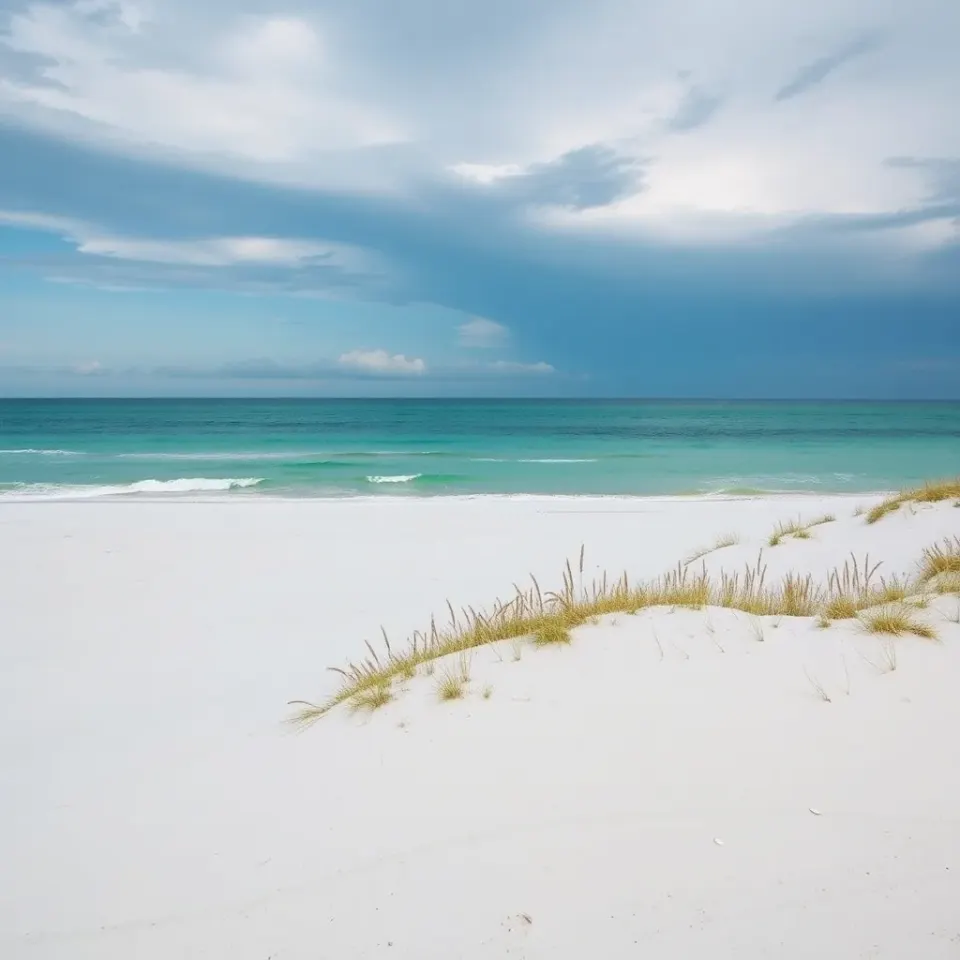
Padre Island National Seashore — 60 miles of undeveloped Gulf Coast barrier island, 215 miles southeast of San Antonio
RV Rental Prices by Vehicle Type
| RV Type | Spring/Fall Peak | Summer | Winter Off-Season | Best For |
|---|---|---|---|---|
| Class B Camper Van | $145-180/day | $130-160/day | $95-125/day | Couples, Hill Country wine-country trips, easy Fredericksburg parking |
| Class C Motorhome (22-28 ft) | $175-230/day | $150-200/day | $115-155/day | Families of 4-6; best all-around Texas RV |
| Class C Motorhome (29-35 ft) | $220-270/day | $185-225/day | $145-185/day | Larger families; check state park size limits carefully |
| Class A Motorhome | $295-400/day | $245-320/day | $185-245/day | Extended Texas loops; luxury experience; avoid Chisos Basin |
| Travel Trailer (towable) | $100-150/day | $85-125/day | $65-100/day | Experienced towers with appropriate tow vehicle |
7-Day Texas Hill Country Loop Cost Breakdown
Real numbers for a family of four in a Class C motorhome, mid-April (peak wildflower season, the week before Fiesta to avoid the Fiesta premium):
Base RV Rental (7 days x $185/day average) $1,295
Supplemental Insurance ($35/day x 7) $245
Enchanted Rock SP (2 nights x $20) $40
Pedernales Falls SP (2 nights x $24) $48
Fredericksburg KOA (2 nights x $65) $130
Guadalupe River RV Resort (1 night) $65
Generator package flat fee (7 days) $245
Fuel: ~650 miles (Hill Country Loop + Enchanted Rock + New Braunfels) at 9 mpg, $3.30/gal $239
Propane $35
Texas state park entrance fees (per-person day-use) $45
Total Estimated Trip Cost $2,387
Add groceries ($250-350 for a week), Fredericksburg wine-tasting tabs ($50-150 per couple), and any Natural Bridge Caverns or other attraction admissions to reach a full trip budget of approximately $2,800-3,100 for a family of four. A Fiesta-week trip would add $400-700 to the base rental cost. For the line-by-line budgeting method behind these numbers, see our RV rental cost guide.
Hidden Fees to Budget For
- Generator usage: $3-5/hour or a $30-50/day flat rate — you'll run AC hard through a San Antonio summer
- Mileage overages (peer-to-peer): $0.35-0.45/mile beyond your daily cap — Big Bend round-trip (660 miles) destroys most 125 mile/day allowances
- Cleaning fees: $75-200 if returned with excessive mess — Hill Country red dirt and Padre Island sand both stick to everything
- Texas state sales tax: 8.25% combined (6.25% state + 2% local) on rental fees in San Antonio
- State park day-use fees: $4-10 per person at spots like Government Canyon, billed on top of your campsite
- Big Bend entrance fee: $30 per vehicle valid 7 days; free with America the Beautiful annual pass ($80)
- Late return: $50-100/hour — Texas rental companies are generally firm on pickup windows
- Propane refill: $25-45 on a 7-day trip with AC running heavily
Insurance Options for Texas RV Trips
Insurance deserves special attention for San Antonio-based trips that include Big Bend or long West Texas stretches. Beyond standard damage coverage, consider:
- Supplemental damage waiver: $25-35/day — reduces deductible from $3,000-5,000 to $500-1,000
- Full coverage (zero deductible): $35-50/day through most platforms — recommended if your itinerary includes gravel roads in Big Bend or Guadalupe Mountains. Our RV rental insurance guide compares every coverage tier in detail
- Trip cancellation insurance: $60-120 per trip — verify severe weather coverage, especially for spring thunderstorm season (March-May)
- Outdoorsy weather guarantee: Included — allows rebooking for severe weather affecting your destination; useful for Texas spring hail events
- Roadside assistance verification: Ensure your policy covers West Texas towing — the nearest heavy-duty RV tow from the middle of Big Bend is a 200+ mile job
San Antonio vs. Other Texas RV Destinations
Considering multiple Texas cities as your RV base? Here's how San Antonio compares against the major alternatives — each has real advantages depending on your target destinations.
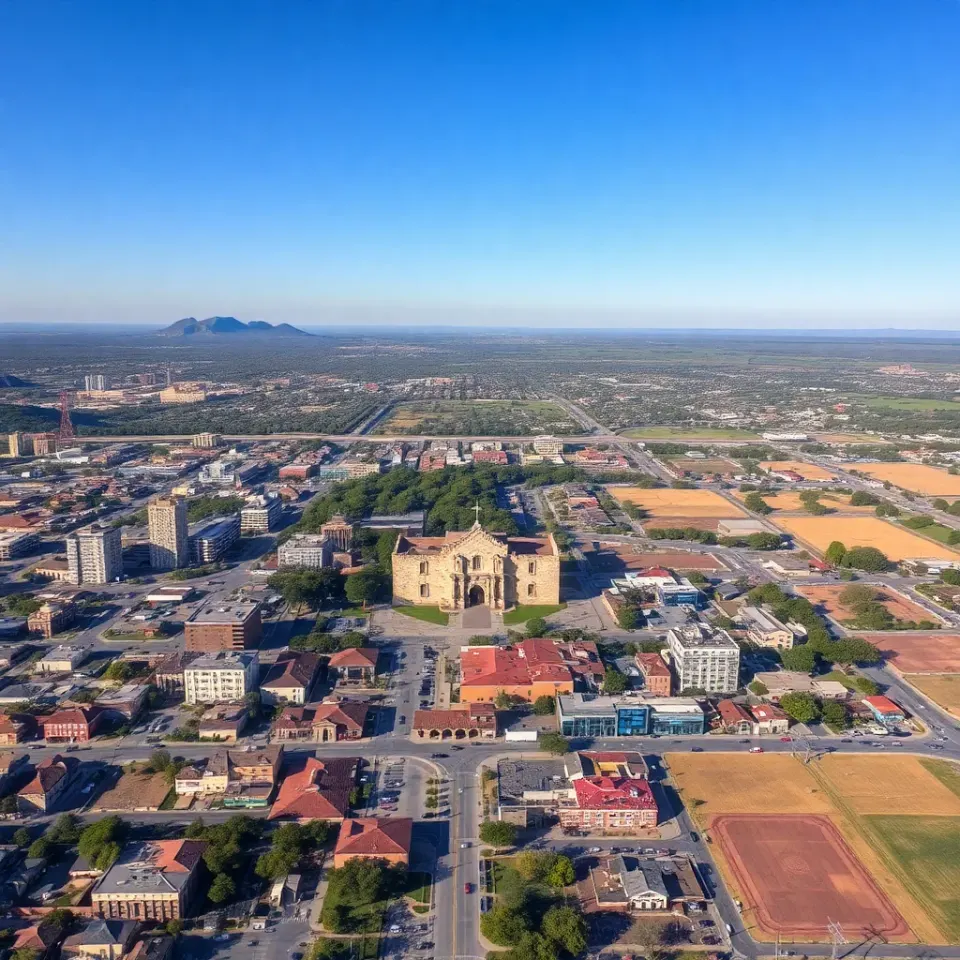
San Antonio sits at the south end of Hill Country, 215 miles from Padre Island and 330 miles from Big Bend — the most central Texas RV base
San Antonio vs. Austin, TX
Distance apart: 80 miles northeast on I-35
Hill Country Access Similar Both are Hill Country gateways; Austin slightly closer to east Hill Country, San Antonio closer to Fredericksburg and Enchanted Rock
RV Rental Price Similar Both markets run $130-220/day; Austin peer-to-peer pricing runs slightly higher during SXSW and ACL festival
Airport Rental Access San Antonio wins SAT is easier to navigate with less traffic than AUS; Austin airport area traffic is brutal
Big Bend Access San Antonio wins San Antonio is 330 miles from Big Bend via US-90; Austin adds 80+ miles to the same trip
Gulf Coast Access San Antonio wins San Antonio to Port Aransas/Padre is 170-215 miles; Austin adds 80 miles
Urban Attractions Austin wins (music) Austin has SXSW, ACL, live music scene; San Antonio has River Walk, Alamo, Fiesta
Best choice: For Hill Country wildflower trips, either city works. For Big Bend or Gulf Coast as part of your loop, San Antonio saves 160+ round-trip miles. For a live-music-focused Texas trip, Austin is the base.
San Antonio vs. Houston, TX
Distance apart: 200 miles east on I-10
Hill Country Distance San Antonio wins Houston is 4+ hours from core Hill Country; San Antonio is 45-90 minutes
Gulf Coast Access Houston wins Houston is closer to Galveston and Bolivar Peninsula for quick beach trips
RV Rental Supply Houston wins slightly Houston metro has more peer-to-peer listings and more Cruise America inventory
Traffic and Departure Ease San Antonio wins Leaving Houston with an RV in rush hour is genuinely unpleasant; San Antonio traffic is more manageable
Big Bend Distance San Antonio wins Houston to Big Bend is 550+ miles; San Antonio is 330 miles
Summer Heat Similar Both are brutally hot in summer; Houston adds worse humidity to San Antonio's heat
Best choice: San Antonio for Hill Country and Big Bend focus. Houston for Gulf Coast weekend trips or if Houston is home anyway. The two cities serve genuinely different Texas RV itineraries.
San Antonio vs. Dallas/Fort Worth, TX
Distance apart: 275 miles north on I-35
Hill Country Access San Antonio wins DFW is 4+ hours from the core Hill Country; San Antonio is 45-90 minutes to Fredericksburg
Palo Duro Canyon Access DFW wins DFW to Palo Duro Canyon is 5 hours; San Antonio is 7+ hours
Coast Access San Antonio wins San Antonio to Padre Island is 215 miles; DFW is 400+ miles
RV Rental Market Size DFW wins DFW is the largest RV rental market in Texas with deepest inventory
Weather San Antonio wins San Antonio winters are milder; DFW gets genuine cold snaps and occasional ice
Festival Culture San Antonio wins Fiesta and the Stock Show & Rodeo give SA a more distinctive cultural draw
Best choice: San Antonio is the better base for Hill Country, Big Bend, and Gulf Coast RV trips. DFW makes more sense if Palo Duro Canyon or Caprock Canyons (North Texas) are your targets, or if you're flying into North Texas for family reasons.
San Antonio RV Rental Booking Strategies
After three San Antonio-based RV loops and more than a few mistakes, here's what I've learned about booking smart in Texas. Hill Country and Big Bend have unique dynamics — campsite availability and reservation windows often drive rental dates, not the other way around.
Book Your Campsite Before Your RV
Enchanted Rock, Garner, Pedernales Falls, and Lost Maples all open for reservations exactly 5 months ahead, and the best sites go within minutes for spring and fall weekends. Big Bend's Chisos Basin opens 6 months ahead and disappears just as fast. Start at texasstateparks.reserveamerica.com (for state parks) and recreation.gov (for Big Bend), lock down your dates, and then book the rental. For Hill Country private RV parks (Fredericksburg KOA, Guadalupe River RV Resort) the windows are more forgiving but still aim for 8-12 weeks ahead for spring weekends.
Understand the Texas State Parks 5-Month Booking Window
Count 5 months back from your arrival date and mark 8am Central on that day: Garner State Park for Memorial Day weekend opens in late December, and Enchanted Rock for mid-April wildflower weekends opens in mid-November. This sounds dramatic because it is dramatic — Garner and Enchanted Rock summer and fall weekends genuinely go in minutes. For midweek stays (Sunday-Thursday arrivals) the pressure is far lower — these are usable for Hill Country trips with more flexible planning.
Plan Your Big Bend Expedition 6+ Months Ahead
Big Bend National Park requires its own planning horizon. Chisos Basin campground (the most popular) opens reservations 6 months ahead on recreation.gov and sells out for October-April dates within days. Rio Grande Village and Cottonwood campgrounds are easier bookings but also competitive November-March. Plan this trip 6+ months in advance, coordinate your RV rental dates around the campsite dates, and expect to fuel, stock groceries, and load water in San Antonio or Fort Stockton — resupply inside or near the park is limited and expensive. Budget a 10-14 day total trip if you're going — a 4-day trip is possible but rushed; a week is better; 10 days lets you properly explore Santa Elena Canyon, the Window, Hot Springs, and the Ross Maxwell Scenic Drive without rushing.
Book Around Fiesta San Antonio Deliberately
If you're attending Fiesta: book everything 4-6 months ahead. Downtown San Antonio RV parks sell out, rental companies raise rates 30-45%, and hotels (backup plan) are scarce. If you're NOT attending Fiesta: book the week immediately before or immediately after. You get peak Hill Country wildflower conditions at shoulder-season pricing with much better campsite availability. Same logic applies to spring break (mid-March to early April) and the San Antonio Stock Show & Rodeo (February) — know the exact event dates for the year you're traveling and plan around them either way.
Factor Mileage Into Your Rental Choice
Texas distances are deceiving. A "quick Big Bend trip" is 700+ miles round-trip from San Antonio. A Hill Country loop is 300-400 miles. A Padre Island trip is 430 miles round-trip. Run those Texas distances against a capped peer-to-peer listing before you book — the overage math is worked through in our RV rental cost guide. Fireside RV Rental includes unlimited miles on all rentals — a material advantage for Texas road trips.
Book Early + Lock In With Fireside or Outdoorsy
For San Antonio spring and fall trips, the combination of booking 6-10 weeks ahead and choosing either Fireside RV Rental (local expertise, unlimited miles, pet-friendly, hands-on orientation) or Outdoorsy (largest selection, weather guarantee, strong insurance) gives you the best combination of availability and protection. Fireside is the top choice for first-time renters and families who want a fully equipped, well-maintained vehicle and a proper Hill Country orientation before departure. For winter off-season trips, wait 3-4 weeks before departure and check Outdoorsy for last-minute discounts — some owners drop rates 15-25% on unfilled winter dates.
10 Common San Antonio RV Rental Mistakes to Avoid
I've made a few of these myself and heard about the rest from fellow Texas RVers. The universal renting errors are covered in our RV rental mistakes guide — what follows are the ones specific to San Antonio, West Texas, and the Gulf Coast.
1. Not Fueling Up Before the Big Bend Stretch
Between Fort Stockton and Van Horn on I-10 — and on US-90 between Sanderson and Marathon — there are long stretches of 80-200 miles with limited fuel options. In an RV getting 8-10 mpg, a 30-gallon tank covers 240-300 miles. Running low on gas in West Texas summer heat with a full family aboard is a genuinely bad situation. The rule: any time you pass a major truck stop with fuel in West Texas, top off if you're below three-quarters full. Fort Stockton, Alpine, and Marathon are your reliable fuel points. Inside Big Bend itself, fuel is available at Panther Junction and Chisos Basin at a $1.00-1.50 per gallon premium — acceptable for an emergency top-off but not a routine fill strategy.
2. Underestimating Summer Heat and AC Demands
San Antonio summer is not comparable to most of the country. Daytime highs of 94-100°F from June through early September are routine, and a parked RV in full sun without shore power can hit 130+°F inside within 90 minutes. In practice that means favoring full-hookup sites like Admiralty RV Resort or Guadalupe River RV Resort over generator-dependent camping in summer; the generator fuel budgeting is broken down in our RV rental cost guide.
3. I-35 Austin Corridor Traffic on the Return Trip
If your Hill Country loop ends with a northbound leg on I-35 into Austin and then continues north, or if you're looping from San Antonio through Austin and back, budget serious extra time for I-35 through Austin. The I-35 corridor from San Antonio to Austin is consistently one of the most congested interstates in Texas, with afternoon and evening drive-time delays of 60-120 minutes common. In an RV this is both miserable and expensive. Options: route around Austin via US-290 (adds 45 minutes in a regular car, more like 90 minutes in an RV but much steadier), or plan your return for mid-morning or after 7pm.
4. Ignoring Spring Break Demand Surges
Texas spring break (mid-March through early April, centered on the two weeks bracketing Easter) drives RV rental rates up 25-40% and sends tens of thousands of Texans to Port Aransas, South Padre Island, and the Hill Country. Family of four renters see rates of $200-260/day for a Class C that would run $140/day in February. State parks are packed and often sold out. Private RV parks in Fredericksburg and New Braunfels book 3-4 months ahead. If you're renting during spring break, plan like you're renting during Fiesta — advance booking, insurance, and flexible itineraries. If you're not tied to spring break timing, shift your trip one week earlier (first week of March) or one week later (second week of April before Fiesta) for 25% cost savings.
5. Booking During Fiesta Without Realizing It
Fiesta San Antonio runs 10 days in late April, and the exact dates shift each year (tied to San Jacinto Day, April 21). Travelers sometimes book an April trip without checking whether their dates overlap Fiesta — then arrive to find rental rates 30-45% higher than expected, downtown campgrounds completely full, and the entire city's accommodation market at peak stress. Before booking any late-April San Antonio trip, check fiestasanantonio.org for the exact current year dates. If Fiesta is the whole reason for your trip, plan 4-6 months ahead. If not, shift a week in either direction for much better pricing and availability.
6. Missing the Big Bend Chisos Basin Reservation Window
Chisos Basin is the most popular campground inside Big Bend NP — it's at elevation, has 40-60 sites, and catches cool mountain air when the desert below is sweltering. It also sells out faster than almost any campground in the national park system. Reservations open 6 months ahead at 10am ET on recreation.gov and the popular October-April dates book out within hours. If you're planning a Big Bend trip and haven't booked Chisos Basin 6+ months ahead, assume it's full and build your itinerary around Rio Grande Village and Cottonwood instead (still excellent, easier bookings, but hotter in shoulder seasons). I made this mistake my first Big Bend trip and ended up at Rio Grande Village — which turned out fine but wasn't my first choice.
7. Taking a Large Class A Down Hill Country Ranch Roads
Texas Hill Country's charm comes partly from its narrow, shoulder-free ranch roads — FM 1323 toward Willow City Loop, FM 965 to Enchanted Rock, the small roads between Luckenbach and Stonewall. These roads are fine for Class B vans and Class C motorhomes under 30 feet. For Class A rigs over 32 feet, they become genuinely tight and stressful — blind curves, narrow bridge approaches, and oncoming traffic in the opposite lane. If you're renting a larger Class A, plan to stay on US-290, US-87, and US-281 as your spine and use a tow car for Hill Country back-road exploration. Trying to take a 38-foot Class A around Willow City Loop will result in either a bad day or a damaged rental.
8. Getting Close to the Coast and Underestimating Salt Air
Padre Island and Port Aransas trips expose the RV to salt air and Gulf Coast humidity that can accelerate corrosion on metal fittings, window seals, and exterior fixtures. Two practical steps: close windows and roof vents on the beach side when winds come off the water (salt-laden air gets everywhere otherwise), and rinse the RV exterior with fresh water before your rental return if possible — most Corpus Christi and Port Aransas campgrounds have rinse-down stations at the exits. Some Texas RV owners add a "coastal exposure" surcharge for Padre Island rentals; ask before booking and take preventive steps regardless to protect your deposit.
9. Dehydration on Long Texas Drives
This sounds basic, but it's the most common health problem reported by Texas RV renters. Texas summer daytime temperatures, desert dry air in West Texas, and the sealed environment of an air-conditioned RV combine to dehydrate passengers faster than most people realize. Symptoms start as mild headaches, fatigue, and irritability after 4-6 hours on the road. Drink water constantly — one bottle per hour per adult is the minimum. Pack a cooler specifically for water bottles and keep it within reach. Carry electrolyte packets or sports drinks for longer days. This matters especially on the long West Texas stretches to Big Bend where a quick stop isn't always an option.
10. Not Carrying Extra Water West of Del Rio
The road west of Del Rio and Sanderson toward Big Bend crosses 200+ miles of very empty high desert. If your RV breaks down in summer in this stretch and you have to wait hours for a tow, water becomes an actual life safety issue, not a comfort issue. The rule for any West Texas RV trip: carry a minimum of 1 gallon of drinking water per person per day for the length of your trip, plus a 5-10 gallon emergency reserve that you don't touch. Pet owners add another 2-4 quarts per dog per day. Store the emergency reserve in the RV and never draw from it except in a breakdown or medical emergency. This isn't over-preparation — it's the minimum standard for West Texas summer travel.
Nearby Destinations from San Antonio
One of San Antonio's best qualities as an RV base is its centrality to five distinct Texas landscapes — Hill Country, Gulf Coast, Chihuahuan Desert, Guadalupe Mountains, and the Texas-Mexico borderlands. Few cities offer this much geographic diversity within a day's drive.
Texas Hill Country
45 miles northwest
A top-rated destination accessible from San Antonio by RV. Perfect for day trips, weekend getaways, or multi-night stops on a Texas coastal, Hill Country, or desert road trip.
Guadalupe Mountains National Park
350 miles west
A top-rated destination accessible from San Antonio by RV. Perfect for day trips, weekend getaways, or multi-night stops on a Texas coastal, Hill Country, or desert road trip.
Padre Island National Seashore
215 miles southeast
A top-rated destination accessible from San Antonio by RV. Perfect for day trips, weekend getaways, or multi-night stops on a Texas coastal, Hill Country, or desert road trip.
Big Bend National Park
330 miles west
A top-rated destination accessible from San Antonio by RV. Perfect for day trips, weekend getaways, or multi-night stops on a Texas coastal, Hill Country, or desert road trip.
New Braunfels & Comal River
35 miles northeast
A top-rated destination accessible from San Antonio by RV. Perfect for day trips, weekend getaways, or multi-night stops on a Texas coastal, Hill Country, or desert road trip.
Top RV Routes from San Antonio
San Antonio is the starting point for three distinct Texas RV adventures — Hill Country wildflower country, Gulf Coast barrier islands, and Big Bend's remote desert wilderness. Each route has its own character, planning horizon, and ideal season.
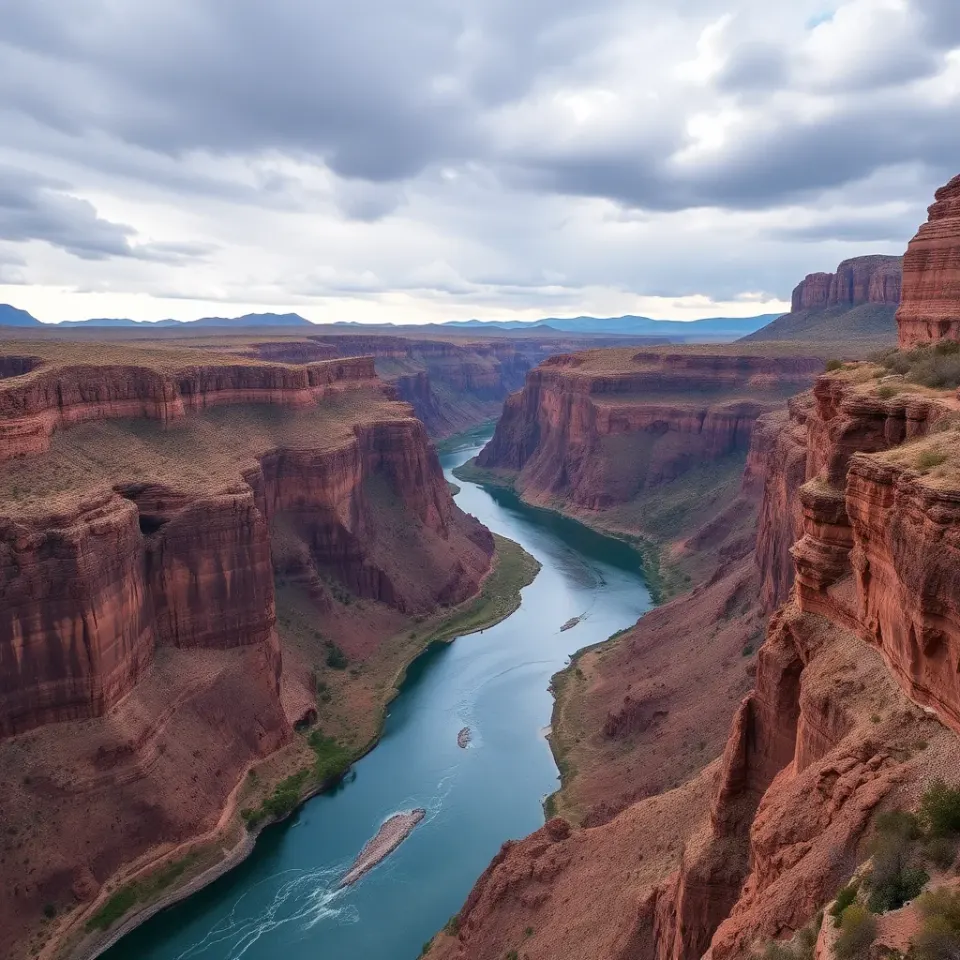
Big Bend National Park — the most remote national park in the contiguous US, 330 miles west of San Antonio via US-90
Route 1: Texas Hill Country Loop
150 miles 2-3 days US-281 N / US-290 W
The essential Hill Country loop from San Antonio, ideal for first-time Texas RV travelers and best run in spring (April wildflowers) or fall (October crisp clear days). Head north from San Antonio on US-281 through Johnson City (stop at LBJ Ranch/Texas White House for a free National Park Service tour), then west on US-290 toward Stonewall and into Fredericksburg.
Fredericksburg deserves a full day: the Main Street shopping district has German heritage architecture, excellent bakeries, and the National Museum of the Pacific War (surprisingly world-class, honoring hometown Admiral Chester Nimitz). Overnight at Fredericksburg KOA or one of the town's several RV parks. From Fredericksburg, detour north on RR 965 to Enchanted Rock State Natural Area — the 425-foot pink granite dome is iconic Texas, and the hike to the summit at sunrise is unforgettable. Spend a night at Enchanted Rock if you were able to score a reservation.
Return route options: drop south to Luckenbach (a required stop — population 3, live music most afternoons on the outdoor stage, cold beer at the general store), then west to Kerrville for a night on the Guadalupe River at Kerrville-Schreiner Park. Back to San Antonio via I-10 east — an easy 65-mile run.
RV Notes: US-281, US-290, and US-87 handle any size RV comfortably. The smaller farm-to-market roads (FM 1323 Willow City Loop, RR 965 to Enchanted Rock) are narrower — fine for Class B and Class C rigs up to 32 feet, tight for larger Class A. Enchanted Rock campsites max at 28 feet. Fuel frequently; Hill Country fuel stations are plentiful.
Route 2: Padre Island National Seashore
215 miles southeast 3-4 days US-181 S / US-77 / PR 22
The Texas Gulf Coast at its most remote and natural. From San Antonio, take US-181 south to Sinton, then continue through the small ranching towns of South Texas to Corpus Christi. Cross the JFK Causeway to Padre Island and follow Park Road 22 down-island to the Padre Island National Seashore entrance (the park itself starts about 10 miles past the causeway).
Padre Island National Seashore protects 60 miles of undeveloped barrier island — the longest undeveloped stretch of beach in the US. Malaquite Campground is the developed campground option: 48 paved sites, no hookups, $25/night, first-come first-served with a 14-day stay limit. Sites are right behind the dune line with ocean sound audible from every site. South of Malaquite, the beach itself is driveable for 60 miles by 4WD vehicles — this is a true sand-driving experience and requires real preparation (experienced RVers only, proper tire pressure, tow rope, and extensive fuel/water reserves).
Overnight options: Malaquite (primitive RV camping), or private RV parks in Port Aransas (40 miles north) for full hookup comfort at $55-80/night. Day activities: beach walking, fishing (Padre has some of the best surf fishing on the Gulf Coast), bird watching (particularly strong in spring migration and winter), and Kemp's ridley sea turtle release events in June and July.
RV Notes: US-181, US-77, and Park Road 22 handle all RV sizes. Malaquite Campground sites accommodate RVs up to 40 feet. The down-island 4WD beach drive is NOT appropriate for rental RVs — stay at Malaquite and explore south by tow vehicle if you have one. Salt air exposure is significant; rinse the RV before returning to San Antonio.
Route 3: Big Bend National Park Expedition
330 miles west (one way) 4-5 days minimum, 7-10 days ideal US-90 W / US-385 S
The most rewarding and most logistically demanding RV route from San Antonio. Big Bend National Park is the most remote national park in the contiguous US, and reaching it requires a full day of driving and serious pre-trip planning. From San Antonio, take US-90 west through Uvalde (fuel stop), Del Rio (Amistad National Recreation Area makes a good overnight break), Sanderson, and Marathon. In Marathon, stock up on any final groceries, top off fuel, and enjoy dinner at the historic Gage Hotel before continuing south on US-385 into the park (90 miles from Marathon to Panther Junction park headquarters).
Big Bend camping: Chisos Basin (at elevation, cooler temps, 60 RV sites, no hookups, reservable 6 months ahead on recreation.gov, sells out fast for October-April). Rio Grande Village (in the low desert near the river, 100 sites, some full hookups in the adjacent RV park, easier reservations). Cottonwood (quieter, primitive, first-come first-served on one loop). Plan 3-5 days minimum inside the park. Essential stops: Santa Elena Canyon (the Rio Grande cuts through 1,500-foot limestone walls; accessible via Ross Maxwell Scenic Drive), The Window overlook in Chisos Basin, Hot Springs on the Rio Grande, Boquillas Canyon, and the optional border crossing to Boquillas del Carmen, Mexico (bring passports).
Return route: retrace US-90 back to San Antonio, OR detour north from the park via US-118 through Alpine and Fort Davis for a different West Texas experience (McDonald Observatory star parties, Davis Mountains State Park, Marfa for a night if you want to experience the famous art-town weirdness). The Alpine/Fort Davis loop adds 100-150 miles and a full day but makes the return trip genuinely different from the outbound leg.
RV Notes: US-90 and US-385 handle all RV sizes. Inside Big Bend: avoid Chisos Basin road with Class A rigs or travel trailers over 24 feet (posted recommendations). Ross Maxwell Scenic Drive has some steep grades — use engine braking on descents. Cell service is nonexistent throughout most of the park — download offline maps before entering. Fuel up in Marathon or Alpine; park fuel is expensive. Carry extra water (minimum 2 gallons per person per day plus emergency reserve). This is a real expedition, not a casual weekend trip.
Helpful Resources for Your San Antonio RV Trip
These official resources will help with campground reservations, route planning, and destination research for your Texas RV adventure.
Texas Parks & Wildlife (State Parks)
Official reservations and information for Enchanted Rock, Pedernales Falls, Garner, Lost Maples, and every other Texas state park. 5-month reservation window opens at 8am Central daily.
tpwd.texas.gov/state-parks →Travel Texas (Texas Tourism)
The state's official tourism site, with statewide event calendars and scenic drive itineraries. Excellent resource for Hill Country, coastal, and West Texas trip research beyond just the campground booking.
traveltexas.com →Big Bend National Park (NPS)
Essential reading for any Big Bend-bound traveler. Current park conditions, campground reservations (via recreation.gov), road closures, wildlife advisories, and the park's detailed maps. Check conditions within 48 hours of your arrival — summer road closures from flooding and winter road closures from ice do happen.
nps.gov/bibe →Visit San Antonio (Official CVB)
Official tourism site for San Antonio — River Walk info, Fiesta dates, Alamo tour booking, downtown attraction listings, and local dining guides. Check Fiesta dates here before booking any late-April trip.
visitsanantonio.com →NWS Austin/San Antonio Weather
The National Weather Service office in Austin/San Antonio covers the Hill Country and south-central Texas. Local forecasts, severe thunderstorm watches, and flood alerts for the rivers. Check this site daily during spring trips — Texas spring thunderstorms and hail events can be significant.
weather.gov/ewx →Padre Island National Seashore (NPS)
Official park information for the longest undeveloped barrier island in the US. Malaquite Campground info, beach conditions, sea turtle release schedules, and current fishing regulations. Check before heading down for current beach drive conditions.
nps.gov/pais →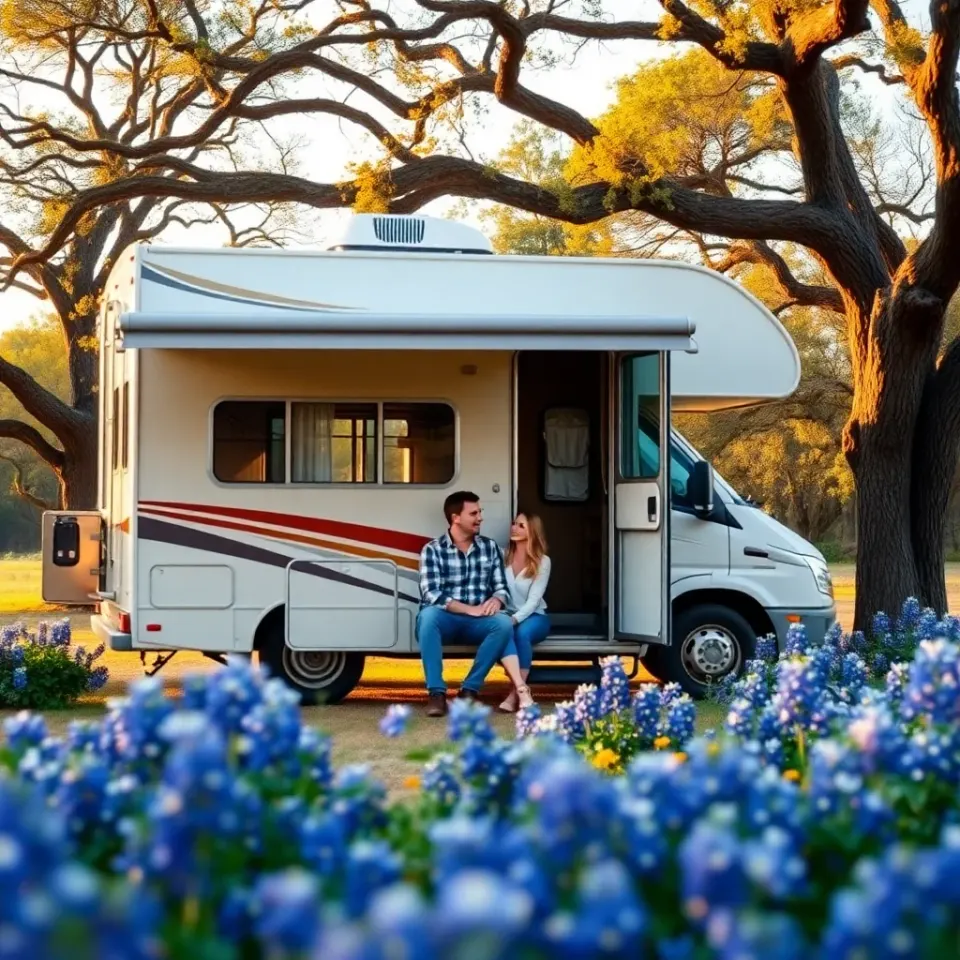
The Texas Hill Country by RV — waking up at Enchanted Rock with coffee in hand, bluebonnets at your feet, and the whole state spread out ahead of you
Frequently Asked Questions — San Antonio RV Rentals
20 questions answered based on three San Antonio-based Texas RV loops, one Big Bend expedition in June I do not recommend, three spring Hill Country wildflower trips, and hundreds of reader questions about Texas RVing.
General Questions
What's the average cost to rent an RV in San Antonio?
RV rental prices in San Antonio range from $130 to $215 per day depending on the type and season. Class B camper vans run $125-165/day, Class C motorhomes $150-200/day, and Class A motorhomes $235-360/day. Weekly rentals offer better value — budget $900-1,500 for a Class C. Spring (including Fiesta week in April) and fall weekend rates run 20-35% above winter pricing. Seasonal pricing: spring and fall $165-250/day, summer $145-210/day, winter $110-160/day. Factor in insurance ($25-40/day), mileage overages if applicable, and generator use ($3-5/hour) — generator time matters in Texas summer when cab AC plus coach AC through the night is the only way to sleep. With campground costs at area state parks ($20-40/night) or private RV resorts ($50-75/night), a 7-day Hill Country or coast trip from San Antonio runs $2,100-3,600 all-in.
Do I need a special license to rent an RV in San Antonio?
No special license is required in Texas for non-commercial RVs, which covers every standard rental motorhome. A valid standard driver's license is sufficient for anything you can rent from Fireside, Outdoorsy, or RVshare. Most rental companies require: age 25+ (some allow 21+ with a higher deposit), a valid license held for 3+ years, and a clean driving record. Texas does not require a CDL for personal RV use regardless of length. International visitors need a valid passport plus an International Driving Permit (IDP) issued in their home country. If you plan to flat-tow a vehicle behind the RV, Texas law requires the tow vehicle to have working brake lights, turn signals, and independent registration and insurance — the supplemental braking requirement kicks in on tow vehicles over 4,500 lbs.
What is the best time of year to rent an RV in San Antonio?
Spring (mid-March through May) and fall (mid-September through mid-November) are the sweet spots for San Antonio RV rentals. Temperatures sit in the 65-82°F range, Hill Country wildflowers peak in April (bluebonnets, Indian paintbrush along Willow City Loop and Enchanted Rock), and summer heat has either faded or not yet arrived. Summer (June-August) is punishing in South Texas — daytime highs of 94-100°F with humidity make the cab AC work hard and push coach AC to its limits. If you must travel in summer, plan to be driving at dawn and parked under shade by noon. Winter (December-February) is an underrated option — mild 45-65°F, near-empty campgrounds, the lowest rental rates of the year, and this is actually the best season for Big Bend National Park since summer desert highs regularly exceed 105°F. The one absolute to avoid is early April Fiesta San Antonio week unless you are specifically attending — the whole metro shifts into celebration mode, hotels and RV parks sell out, and traffic on I-10 and I-35 through downtown is notable even by Texas standards.
Can I rent an RV in San Antonio for a one-way trip?
One-way RV rentals from San Antonio are available but uncommon and usually expensive. Most peer-to-peer owners on Outdoorsy and RVshare require round-trip returns to San Antonio. For one-way options, Cruise America has a San Antonio location and offers one-way rentals nationwide for a relocation fee of $200-600 depending on destination. Popular one-way routes from San Antonio include: Dallas-Fort Worth ($250-400 fee), Austin ($150-250 fee), Houston ($250-400 fee), Denver CO ($450-650 fee), and Phoenix AZ ($500-700 fee). One-way trips west toward Big Bend typically require returning to San Antonio since there are no major rental drop points in West Texas. If a one-way trip is important to your plans, contact rental companies directly and book at least 60-90 days ahead — one-way inventory is limited, especially during spring break and Fiesta.
Pricing Questions
What hidden fees should I watch for when renting an RV in San Antonio?
Common hidden fees with San Antonio RV rentals include: generator usage ($3-5/hour — critical in Texas summer; budget $40-60 for a week of overnight AC), mileage overages on peer-to-peer rentals ($0.35-0.45/mile beyond your daily cap), cleaning fees if returned dirty ($75-200), late return charges ($50-100/hour), propane refill if not returned full ($25-75), dump fees if not emptied ($50-75), Texas state sales tax on rental fees (6.25% plus local for 8.25% total in San Antonio), prep or pre-trip orientation fees ($50-150 on some platforms), and early pickup/late drop-off fees ($25-50). For Big Bend or Hill Country trips specifically, watch for west Texas mileage creep — peer-to-peer caps at 100-125 miles per day will not stretch across a Big Bend itinerary, and overages on a 1,200-mile round trip get expensive quickly. Always request a complete itemized fee breakdown before finalizing your booking.
How much does RV insurance cost in San Antonio?
Basic liability insurance is included with most San Antonio RV rentals. For additional physical damage protection: supplemental damage waivers through rental companies typically run $25-35/day, reducing your out-of-pocket deductible from $3,000-5,000 down to $500-1,000. Full full coverage with zero deductible costs $35-50/day. On Outdoorsy, physical damage protection starts at $35/day and is strongly recommended for Texas road trips where gravel chips, hail in spring thunderstorms, and parking-lot scrapes are realistic risks. On RVshare, insurance is required and starts at $35/day through their platform. For a 7-day rental, budget $175-350 for insurance. One special Texas consideration: if you are planning a trip to Big Bend NP or the Guadalupe Mountains, the remoteness and gravel-road access in some areas elevate minor damage risk — full full coverage pays for itself the moment a pebble cracks the windshield on US-90 near Sanderson. Some credit cards (Chase Sapphire Reserve, Amex Platinum) provide rental vehicle coverage, but most explicitly exclude RVs — verify before relying on card coverage.
What is the total cost for a 7-day San Antonio Hill Country week by RV?
Here's a realistic 7-day Hill Country RV budget for a Class C motorhome in April (peak wildflower season). Base rental (Fireside or comparable) at $175/day = $1,225. Insurance (supplemental damage waiver) $35/day = $245. Campground mix: Enchanted Rock State Park ($20/night x 2), Pedernales Falls SP ($24/night x 2), Guadalupe River RV Resort near New Braunfels ($55/night x 3) = $253. Generator package $35/day flat = $245. Fuel for ~650 miles (San Antonio base + Hill Country Loop + Enchanted Rock + New Braunfels) at 9 mpg and $3.30/gallon = $239. Dump station if not included at campground = $0-25. Propane = $30-45. Total estimated cost: approximately $2,240. Add groceries ($250-350), wine-tasting tabs in Fredericksburg, and Fiesta event tickets if you overlap the April festival to reach a full trip budget of approximately $2,700-3,100 for a family of four. Winter shoulder rates would drop this estimate by $300-500, and you could swap in cheaper state park sites everywhere.
How much do prices spike for Fiesta San Antonio and spring break?
Two demand surges dominate San Antonio RV rental pricing. Fiesta San Antonio (10 days in late April — exact dates vary year to year) is the city's signature event and pushes Class C rental rates to $210-280/day, a 30-45% premium over a normal spring week. Peer-to-peer owners raise nightly minimums, and RV parks within 30 minutes of downtown sell out four to six months in advance. Spring break (mid-March through early April, peaking the two weeks bracketing Easter) drives similar pricing with $200-260/day rates and tight inventory for coast-bound renters heading to Port Aransas and Padre Island. The Texas rodeo season — specifically the San Antonio Stock Show & Rodeo in February — also generates a smaller 10-15% rate bump for its 18-day run. Money-saving tip: book the week immediately before Fiesta starts or the first week of May after Fiesta ends, and you capture near-identical Hill Country wildflower conditions at shoulder-season prices. One other pricing quirk: the summer dip. San Antonio summer rates actually drop slightly (June-August $145-210/day) because the 100-degree heat scares off casual renters, leaving good availability for travelers willing to adapt their schedule around the sun.
Booking Process
What documents do I need to rent an RV in San Antonio?
To rent an RV in San Antonio, you'll need: a valid driver's license (held 3+ years), a major credit card in the primary renter's name for the security deposit hold, proof of insurance or acceptance of the rental company's insurance policy, and for international visitors, a passport plus International Driving Permit. Most companies also require a signed rental agreement and a completed pre-rental orientation. For Fireside RV Rental specifically, the in-person orientation is thorough and typically takes 45-75 minutes — build this into your pickup day schedule. Peer-to-peer platforms (Outdoorsy, RVshare) complete most paperwork digitally through their app, with just a quick in-person walkthrough at pickup. Texas residents: have your license handy for the state sales tax documentation. Out-of-state renters: same process, no additional paperwork required to rent and drive in Texas.
Can I pick up an RV at San Antonio International Airport (SAT)?
San Antonio International Airport (SAT) is 8 miles north of downtown and is the main arrival point for out-of-state renters. Direct airport pickup options are limited, but several strategies work well. Fireside RV Rental offers complimentary airport pickup and transfer to their San Antonio location by appointment — the most convenient option for fly-in renters. Outdoorsy and RVshare owners occasionally offer SAT delivery for a fee ($40-125 depending on distance and owner policy); filter for 'delivery available' when browsing. Cruise America's San Antonio branch is roughly 10 miles from the airport and accessible by rideshare ($20-30). If you're arriving on an evening flight, don't try to pick up the RV the same day — most rental companies close by 5pm, and late pickups incur fees. The better play: stay at an airport hotel night one, pick up the RV mid-morning day two after a proper orientation, and then hit the road. This also lets you grocery shop at HEB on your way out of town without a road-weary first drive.
What is the minimum rental period in San Antonio?
Most San Antonio RV rental companies require a minimum 3-night rental for weekday pickups and a 2-night minimum on weekends. During peak demand periods — Fiesta week, spring break, Memorial Day and July 4th weekends — minimums jump to 4-7 nights. Fireside RV Rental typically accommodates 3-night minimums outside of peak events. Outdoorsy and RVshare owners set their own minimums; many require 5-7 nights during Fiesta and spring break. If you want a weekend-only getaway (2 nights), book 6-8 weeks ahead at shoulder season and verify the 2-night minimum is accepted. For longer trips — a Big Bend expedition or a multi-park Texas loop — some owners offer 10-20% discounts for 10+ night rentals. Always ask about extended-stay pricing before confirming.
What is the cancellation policy for San Antonio RV rentals?
Cancellation policies vary by company. Fireside RV Rental typically offers full refunds for cancellations 30+ days before pickup, 50% refund 15-29 days out, and no refund within 14 days (confirm current policy at booking — it can change seasonally). Outdoorsy cancellation terms depend on the individual owner's policy: flexible (full refund up to 48 hours before pickup), moderate (full refund 7 days before, 50% after), or strict (no refund within 7 days). RVshare uses a similar three-tier owner-set system. For any April Fiesta booking or spring-break-week booking, only reserve from owners with 'flexible' or 'moderate' policies unless you are certain of your dates. Texas weather rarely forces cancellations, but severe thunderstorm outbreaks and occasional April hail events do happen. Outdoorsy's weather guarantee allows free rebooking for severe weather that makes travel unsafe — useful insurance for spring trips when Hill Country hailstorms can be significant.
Local Regulations
Can I park my RV overnight for free in San Antonio?
Free overnight RV parking in San Antonio is limited and depends on location. Cabela's on I-35 north of downtown has historically allowed overnight RV parking with manager permission — call ahead to confirm. Walmart policies vary by individual store manager: the locations on Loop 410 and near Lackland have been historically friendly, but store-by-store permission is required and some San Antonio stores no longer allow it (City of San Antonio ordinance allows private property owners to permit or deny). Truck stops — Pilot/Flying J near Loop 1604 and I-35, Love's Travel Stops along I-10 — allow overnight RV parking with fuel purchase as a courtesy. Wimberley, Boerne, and Fredericksburg city ordinances in the Hill Country have tightened against overnight street parking of RVs; use an actual campground once you're outside San Antonio. For a city-stay strategy, book a night at Braunig Lake RV Resort (south side) or Admiralty RV Resort (Leon Springs area) rather than hunting free parking — expect $45-65/night and reliable 30/50 amp hookups. Never attempt overnight parking at Brackenridge Park, downtown, or near Market Square — the city actively enforces against RV overnight parking in tourist zones.
Are there RV size restrictions in Texas Hill Country or on Big Bend roads?
Texas highways are RV-friendly overall — I-10, I-35, US-281, and US-87 accommodate any standard RV without issue. The nuances appear in specific Hill Country and Big Bend settings. Hill Country ranch roads: some farm-to-market (FM) roads near Fredericksburg and between Luckenbach and Stonewall are narrow, hilly, and shoulder-free. FM 1323 toward Willow City Loop, FM 965 to Enchanted Rock, and several wine-country back roads can feel tight in a Class A over 32 feet. For Class A rigs, stick to US-290 and US-87 as your Hill Country spine and take shorter FM detours in a tow car. Enchanted Rock State Natural Area: the park road is fine for all standard RVs, but campsites max out at 28 feet — verify length before booking. Big Bend National Park: park roads are open to RVs of any length, but the road down to Santa Elena Canyon (Ross Maxwell Scenic Drive) has steep grades, tight switchbacks in a few sections, and pullouts that can be difficult for 35+ foot rigs. The Chisos Basin road has a 24-foot trailer and 20-foot motorhome recommendation posted at the entrance — do not attempt the Basin road in a large Class A or 5th-wheel. Most big RVers skip Chisos Basin and base at Rio Grande Village or Cottonwood campgrounds.
Do I need permits for Big Bend National Park or Texas state parks?
Texas state parks require a day-use entrance fee (typically $4-10 per person) included in your campsite reservation. Reserve state park campsites via texasstateparks.reserveamerica.com. Popular parks — Enchanted Rock, Pedernales Falls, Lost Maples — book up 5 months in advance, the maximum state-park booking window. Garner State Park is the single hardest Hill Country reservation in the Texas system; summer weekends open at 8am Central exactly 5 months ahead and sell out within minutes. Big Bend National Park: $30 per-vehicle entrance fee valid 7 days, or use an America the Beautiful annual pass ($80). Big Bend campground reservations through recreation.gov open 6 months in advance and the Chisos Basin campground books out immediately for October through April. Rio Grande Village and Cottonwood campgrounds are easier bookings. Backcountry permits (required for all overnight backcountry camping and primitive road-side camping) are issued at park visitor centers — not reservable in advance. Padre Island National Seashore: $25 per-vehicle fee; Malaquite Campground is first-come, first-served with a 14-day stay limit. Guadalupe Mountains National Park: $10 per-person fee; Pine Springs and Dog Canyon campgrounds are first-come, first-served with no hookups and strict RV length limits (Pine Springs sites max at 40 feet, only 20 RV sites total).
What are the rules for driving an RV in Texas?
Texas driving rules are straightforward but a few specifics matter for RVers. Texas has 80 mph speed limits on rural Interstate sections of I-10 (west of San Antonio) and on US-90 toward Big Bend — RV manufacturers recommend staying below 65 mph for tire safety and fuel economy regardless of posted limits. Most of the road to Big Bend has 75-80 mph limits across long empty stretches. Texas allows the left lane to be used for passing only on most divided highways — move right after passing. Texas has the nation's longest-running seatbelt enforcement primary offense law — all occupants must be buckled in any seat with a factory seatbelt. RV-specific: Texas does not require CDLs for personal RV use regardless of length or weight. Flat towing requires the tow vehicle's brake lights and turn signals to be wired to the RV's signals; tow vehicles over 4,500 lbs require supplemental braking. Open container laws apply in the cab of the RV while moving — alcohol in the living area is fine if the driver is not accessing it. Fuel stops: I-10 west of San Antonio has long gaps between major truck stops once you pass Junction — fuel up before the 200-mile stretch from Fort Stockton to Van Horn on summer afternoons when fuel demand is high.
Driving & Routes
What are the best RV routes from San Antonio?
Three exceptional RV routes from San Antonio: Route 1 — Texas Hill Country Loop (150 miles, 2-3 days). Head north on US-281 to US-87 toward Fredericksburg, detour to Enchanted Rock State Natural Area (48 miles northwest), then down through Willow City Loop (April bluebonnet peak), into Fredericksburg for a night at one of the town's excellent private RV parks, out to Luckenbach for a cold beer and live music, then back via Kerrville and I-10 to San Antonio. Route 2 — Padre Island National Seashore (215 miles southeast, 3-4 days). Take US-181 south to Corpus Christi, then US-77 and Park Road 22 across the JFK Causeway to Padre Island. The national seashore is 60 miles of undeveloped barrier island with primitive beach camping at Malaquite Campground. Continue down-island for hardened sand driving (experienced RVers with 4WD tow vehicles only) or stay at Malaquite for a classic beach RV experience. Route 3 — Big Bend National Park Expedition (330 miles west, 4-5 days). Take US-90 west through Uvalde, Del Rio, and Sanderson to Marathon, then US-385 south into Big Bend. Stay at Rio Grande Village or Cottonwood, explore Santa Elena Canyon, the Window, and Boquillas Canyon. Return via the same route (or loop through Alpine and Fort Davis on US-118 for a different experience). Big Bend is a committed trip requiring extensive planning — cell service is nonexistent inside the park, and fuel is expensive inside the park.
Where are the best RV-friendly Pilot, Love's, and Stripes stops around San Antonio?
San Antonio and its outbound corridors are well served by RV-friendly fuel and rest stops. For northbound/westbound departures (I-10 west toward Hill Country and Big Bend): Pilot Travel Center at Loop 1604 and I-10 (exit 551) has dedicated RV lanes, dump station, and propane — a solid final-prep stop before heading west. Love's Travel Stop at Exit 520 (Boerne) has RV lanes and is the last major travel stop before Fredericksburg. For southbound/eastbound departures (I-35 north or US-281 south): Pilot at I-10 and Foster Road has RV-wide fuel bays. Flying J on I-35 north at exit 171 is the largest RV-friendly truck stop in the area — RV lanes, dump station, large parking. Stripes Convenience Stores (a Texas regional chain, many co-branded with Laredo Taco Company) are scattered everywhere in South Texas — most have diesel and are RV-accessible for fuel and coffee stops though rarely have dedicated RV parking. For West Texas on the Big Bend route: Love's at Fort Stockton (I-10 exit 261) is the last major RV-equipped stop before the 200-mile desert stretch to Van Horn. Marathon and Alpine have small-town fuel stations — fill up any time you see fuel west of Sanderson.
How remote is Big Bend National Park — what do I need to know?
Big Bend is the most remote national park in the contiguous US — genuinely. From San Antonio, it's 330 miles one-way to the park entrance, with the final 100 miles through mostly uninhabited high desert. Practical implications: cell service is essentially nonexistent inside the park except at the Chisos Basin visitor center (spotty Verizon and AT&T). Download offline maps before you arrive. Fuel inside the park is available at the Panther Junction gas station and Chisos Basin store, but prices run $1.00-1.50 per gallon above San Antonio prices — top off in Marathon ($0.30 above SA prices) or Alpine before entering the park. Water is critical: carry at least 2 gallons per person per day, plus extra for dog hydration and emergency reserves. Summer temperatures in the desert sections (Rio Grande Village, Cottonwood) regularly exceed 105°F May through September — do not visit Big Bend in summer unless you are prepared for genuine desert conditions. Winter (November-March) is the ideal season with daytime highs 60-75°F. Medical emergencies are serious business — the nearest hospital is in Alpine, 100 miles from the park. Always file your itinerary with a trusted contact before leaving Marathon. The nearest grocery store of meaningful size is HEB in Alpine. Plan to shop in San Antonio and not need resupply during your Big Bend stay.
Where are dump stations and propane refill locations near San Antonio?
Dump stations near San Antonio: Most San Antonio area RV parks (Admiralty RV Resort, Braunig Lake RV Resort, Traveler's World Resort) include dump station use in nightly rates. For non-campers: Pilot Travel Center at Loop 1604 and I-10 ($10-15 fee), Flying J on I-35 north ($10-15 fee), Camping World San Antonio on I-10 ($15 for non-members, free for Good Sam members), and Mission County Park RV dump (free with park day-use fee). Hill Country: Fredericksburg KOA, Pedernales Falls State Park, and Enchanted Rock State Natural Area have dump stations for registered guests. Propane refills: Tractor Supply locations on Loop 1604, Blue Rhino exchange at most HEB grocery stores and Walmart (Walmart on Loop 410 has drive-through propane), AmeriGas dealers across San Antonio, and most campgrounds sell propane by the gallon. Budget $30-50 for propane on a 7-day trip with AC running. For Big Bend-bound travelers: Alpine and Marathon both have propane refill locations, but availability is limited on Sundays — top off in Fort Stockton or before leaving San Antonio to avoid scrambling. Padre Island: propane available at Port Aransas and Corpus Christi RV stores; fewer options down-island on the national seashore itself.
Disclosure: BestRV.com earns affiliate commissions from Outdoorsy and RVshare when you book through our links, at no additional cost to you. Fireside RV Rental links are direct and non-compensated. Our editorial rankings and reviews are based on independent evaluation and are not influenced by affiliate relationships. Rental prices, campground rates, and availability are subject to change — always verify current pricing directly with the rental company or campground before booking. National park and state park conditions (road closures, wildlife advisories, weather warnings) can change rapidly; always consult official NPS and Texas Parks & Wildlife sources for current information, and follow all posted guidance from park rangers and local emergency management authorities.