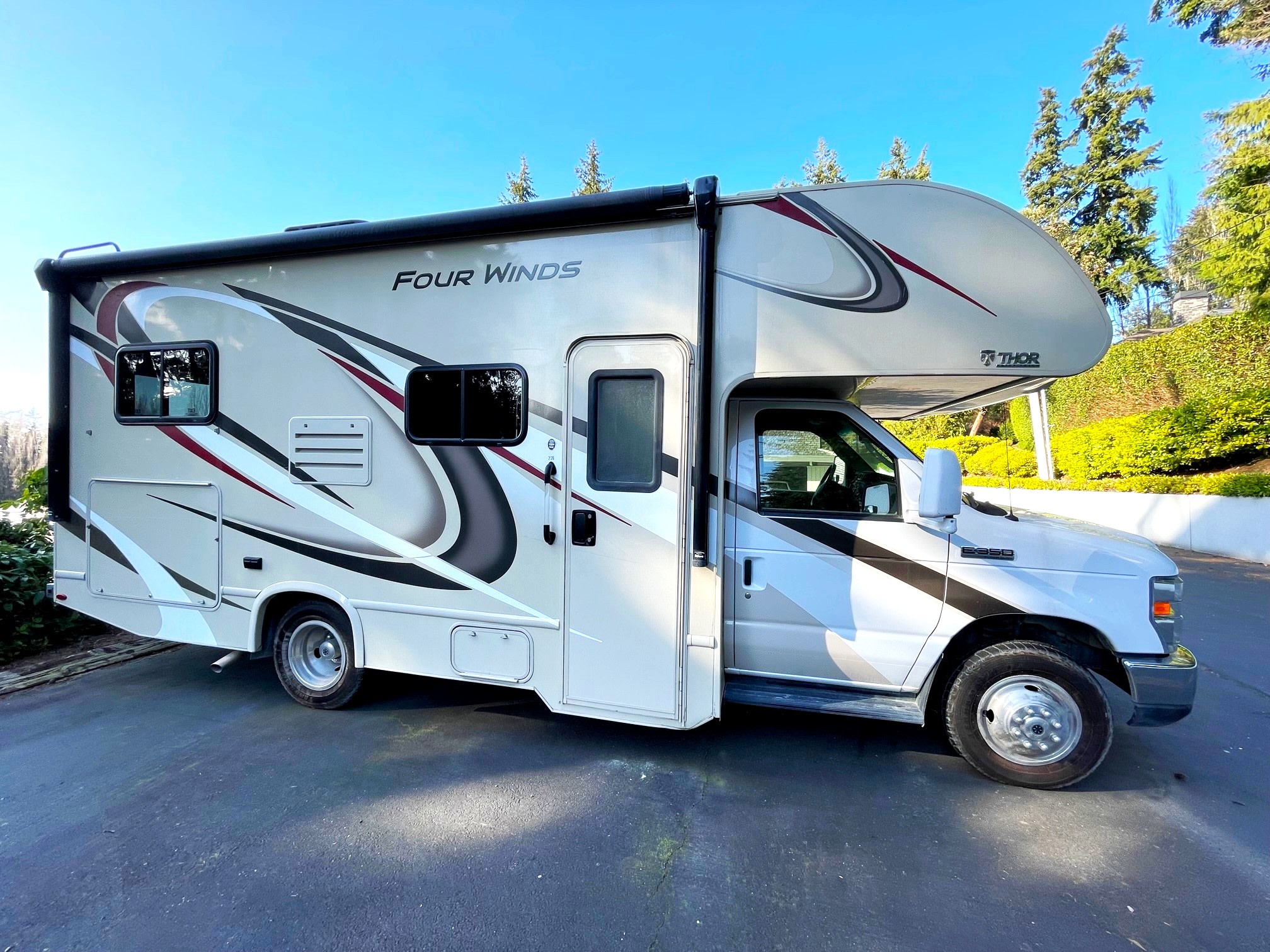
Class C
2019 Thor Four Winds 22E, easy to drive, free parking, convenient location
from $309 / night
Check availability →
Expert-reviewed RV rental companies with transparent pricing. Find your perfect RV from $170-320/day.
Featured local operator
Seattle RV Rentals is a finder service in our own RV rental network — rather than owning a fleet, it pulls listings from third-party hosts around Puget Sound and helps you match a rig to the things that actually decide a Northwest trip: Washington State Ferry fares by vehicle length, and the campground size limits at Olympic, Mount Rainier, the San Juan Islands, Whidbey Island, and the North Cascades.
| RV type | Typical listing price |
|---|---|
| Travel trailer | $126/day |
| Camper van (Class B) | $249-$273/day |
| Class C motorhome | $249/day |
| Class A motorhome | ~$300/day |
Median listing prices as published on seattlerv.rentals, checked September 5, 2026. In-network operator; see disclosure below.
Prices as of July 2026 · confirm live rates at checkout.
from $309 / night
Check availability →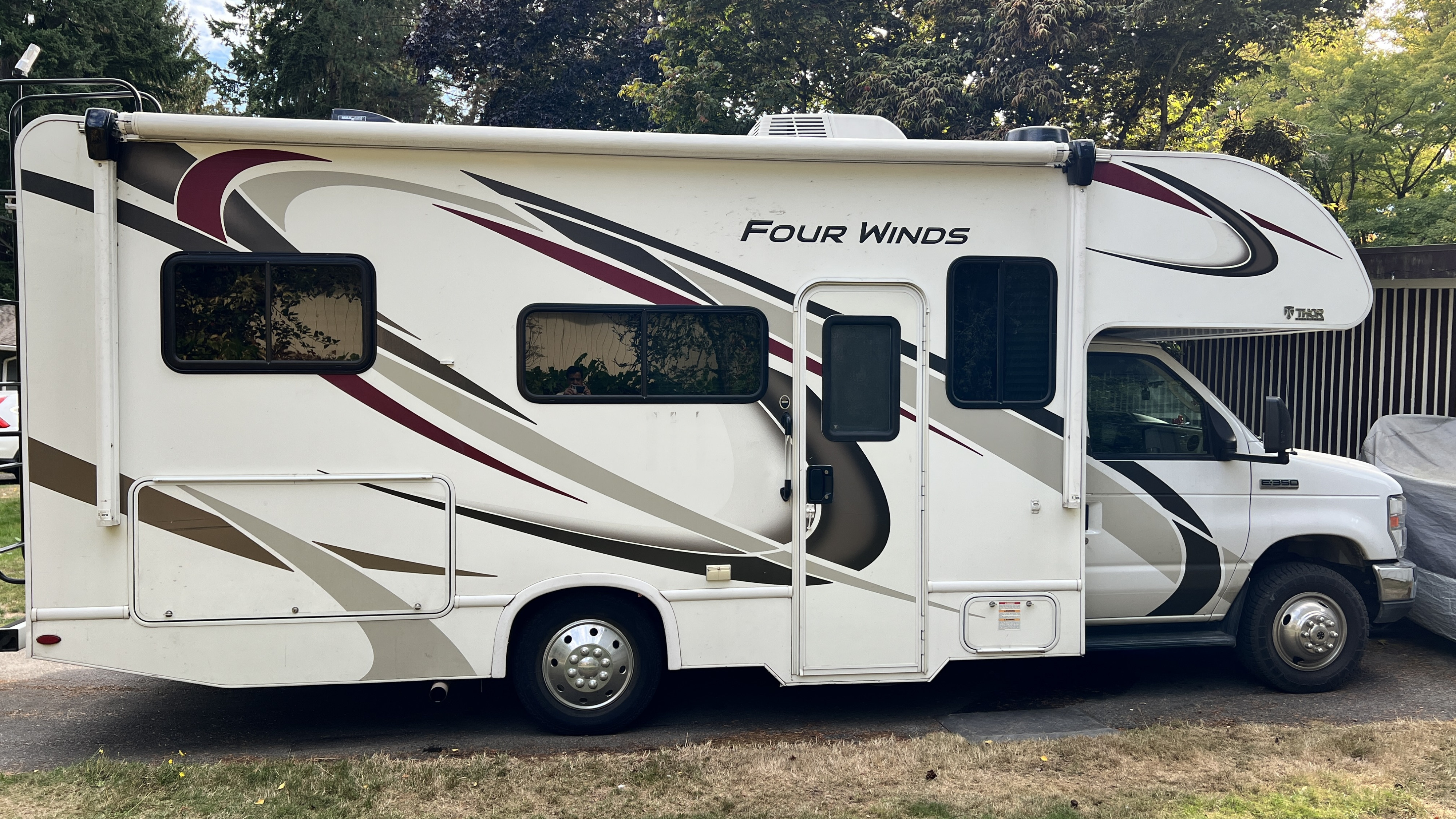
from $290 / night
Check availability →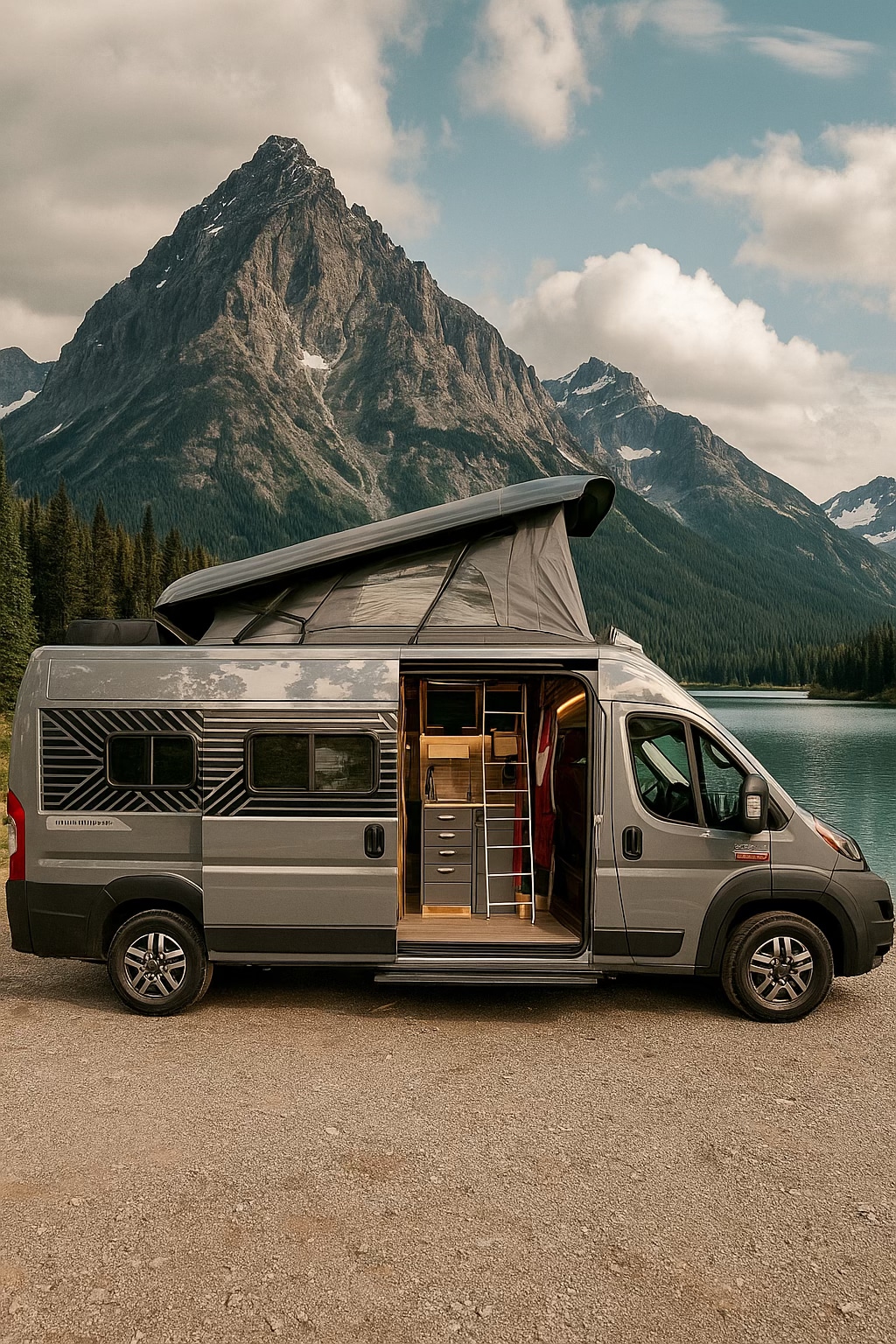
from $350 / night
Check availability →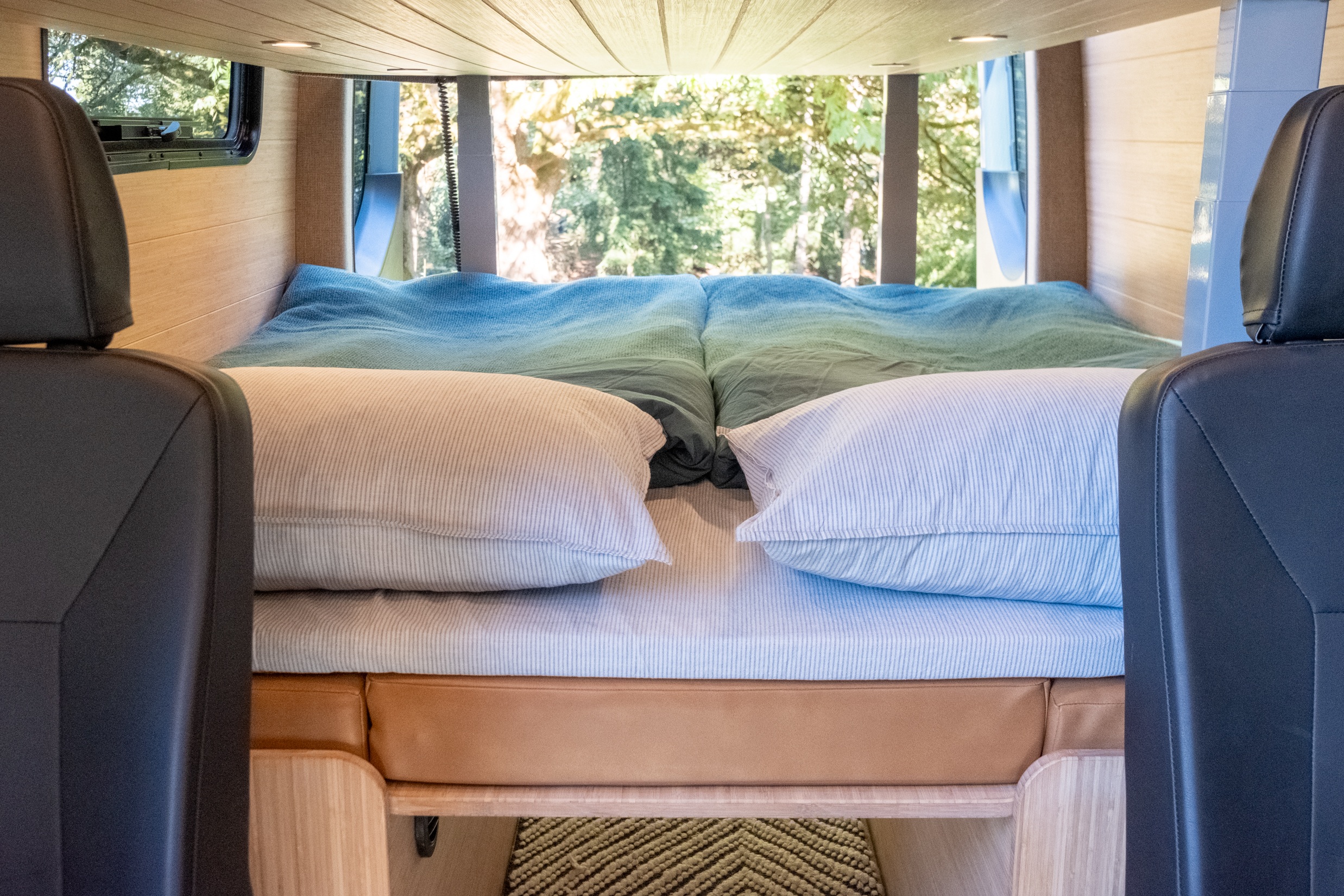
from $314 / night
Check availability →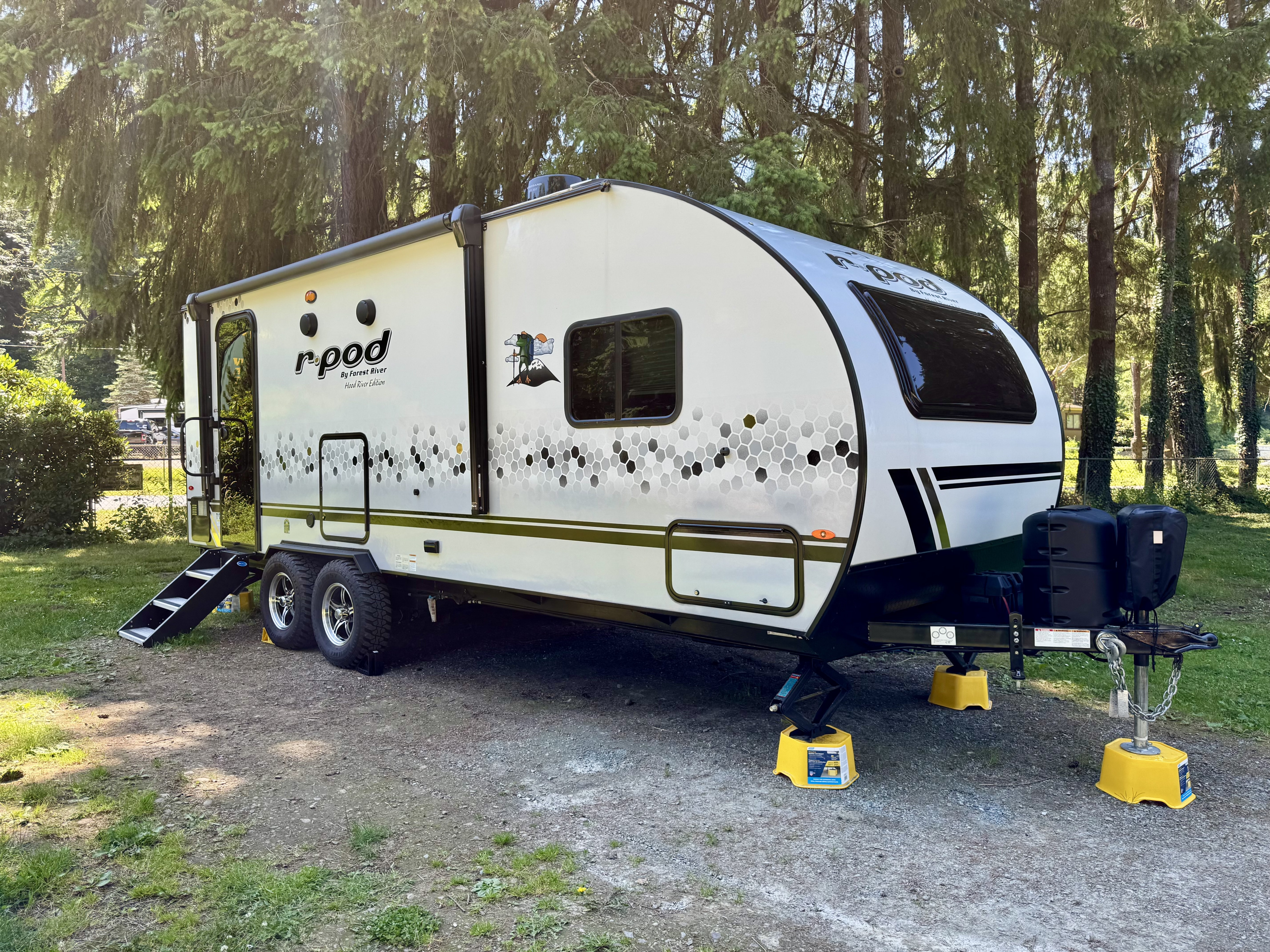
Everything you need to know at a glance
Our team has personally reviewed and tested these rental companies in Seattle. Each listing includes honest pros AND cons.
| Company | Rating | Starting Price | Fleet Size | Mileage Policy | Best For | Browse Rentals |
|---|---|---|---|---|---|---|
| Outdoorsy | 4.8/5.0 ★ | $170/day | 150+ private vehicles | Varies by owner, typically 100-150 miles/day included | Travelers seeking variety and local Seattle owners with regional expertise | Browse Available RV Rentals → |
| RVshare | 4.7/5.0 ★ | $185/day | 120+ private vehicles | Varies by owner, typically 100-125 miles/day included | Experienced renters seeking variety and owners with National Park expertise | Browse Available RV Rentals → |
| Cruise America | 4.5/5.0 ★ | $220/day | Large national fleet | 150 free miles/day, $0.45/mile after | Travelers needing nationwide support, one-way rentals, and Alaska Highway trips | Browse Available RV Rentals → |

Ratings follow our testing methodology.

Starting from: $170/day
Fleet Size: 150+ private vehicles
Pickup Location: Peer-to-peer platform, 150+ vehicles in Seattle metro area
Insurance: Comprehensive insurance included, starting at $35/day through platform
Mileage Policy: Varies by owner, typically 100-150 miles/day included
Best For: Travelers seeking variety and local Seattle owners with regional expertise

Starting from: $185/day
Fleet Size: 120+ private vehicles
Pickup Location: Peer-to-peer platform, 120+ vehicles in Seattle/Tacoma area
Insurance: Rental insurance required, starts at $35/day through platform
Mileage Policy: Varies by owner, typically 100-125 miles/day included
Best For: Experienced renters seeking variety and owners with National Park expertise

Starting from: $220/day
Fleet Size: Large national fleet
Pickup Location: Seattle/Everett location: 12920 Hwy 99, Everett, WA 98204
Insurance: Basic insurance included, comprehensive available for $30-40/day
Mileage Policy: 150 free miles/day, $0.45/mile after
Best For: Travelers needing nationwide support, one-way rentals, and Alaska Highway trips
ℹ️ Company Information: Rental company details, including addresses, hours, and policies, are subject to change. While we strive to maintain accurate and up-to-date information, we recommend verifying all details directly with the rental company before making travel plans. If you notice outdated information, please contact us.

Mount Rainier National Park - 85 miles from Seattle, iconic Pacific Northwest RV destination
These campgrounds near Seattle offer hookups and quick access to Mount Rainier and the Olympic Peninsula.
📍 85 miles
Full hookups, modern amenities, and scenic Washington views. Perfect basecamp for exploring the area.
📍 130 miles
Full hookups, modern amenities, and scenic Washington views. Perfect basecamp for exploring the area.
📍 120 miles
Full hookups, modern amenities, and scenic Washington views. Perfect basecamp for exploring the area.
We've rented RVs from Seattle in all four seasons, and timing makes a massive difference in both pricing and experience. Seattle's weather ranges from mild, dry summers (65-75°F) to cool, rainy winters (40-50°F), and understanding these patterns—plus mountain pass conditions—will save you hundreds while dramatically improving your Pacific Northwest adventure.
Spring in Seattle is beautiful but wet. Late-April Class C rates run near $180/day—about 25% below peak summer. Temperatures range from 50-65°F with frequent rain showers. This is an excellent time for Olympic National Park rainforests (130 miles west) and lower elevation trails, but mountain passes like Stevens Pass and Chinook Pass may still have snow.
Peak Booking Period: Late April through May sees moderate demand as tulips bloom in Skagit Valley. Book 5-6 weeks ahead for best selection. Wildflower season at Mount Rainier's Paradise begins late July, not spring.
Watch Out: Mountain passes require chains or all-weather tires through May. We always check National Weather Service Seattle office and WSDOT pass reports before heading east. Pack quality rain gear—Seattle averages 3-4 inches of rain per month in spring.
Best Spring Destinations from Seattle:
Summer is Seattle's golden season for RV travel. Expect 65-75°F days with minimal rain and long daylight (16+ hours in June). Daily rates jump to $280-350 for Class C motorhomes.
Peak Booking Period: July 4th through Labor Day, especially late July through mid-August when all three National Parks are fully accessible. Book 10-12 weeks ahead or expect very limited selection. Mount Rainier campgrounds fill 6 months ahead.
Summer Strategy: Focus on mountain destinations while they're accessible. Mount Rainier National Park (85 miles via WA-7) and North Cascades (120 miles via WA-20) are spectacular. Start driving early morning (6-7 AM) to avoid weekend I-5 and I-90 traffic.
Money-Saving Tip: Book for late September after Labor Day when Seattle kids return to school. We found 30-35% lower rates yet weather remains excellent through mid-October.
Fall is the best value time to rent from Seattle. Temperatures range from 50-60°F with increasing rain, but rates fall 30-40% from summer peaks.
Peak Booking Period: Late September through mid-October is busiest for fall foliage and larch season in North Cascades. Alpine larch turn golden typically October 1-15. Book 5-6 weeks ahead for peak color weekends.
Fall Color Routes from Seattle:
Best Value Window: Mid-October through November after foliage peak but before snow closes mountain roads. We've found rates as low as $150-180/day for quality Class C motorhomes, and National Park campgrounds are nearly empty.
Seattle winters are wet but mild. Average temps sit at 40-50°F with frequent rain and occasional snow (1-2x per winter). We DON'T recommend winter RV rentals in Seattle unless you're heading to California or Arizona—mountain passes require chains, many campgrounds close, and daylight ends by 4:30pm. Rates drop to $130-180/day (40-50% off peak) but it's not worth the hassle for most travelers.
Peak Booking Period: Very light demand except Thanksgiving week. Many rental owners winterize RVs November-March, so inventory drops 40-50%. If you do rent in winter, book 2-3 weeks ahead maximum.
Winter Advantages (if you must):
Watch Out: Mountain passes (I-90 Snoqualmie, US-2 Stevens, WA-410 Chinook) require chains November-April. Seattle sees 5-6 inches of rain per month in winter. Full-coverage insurance ($40-45/day) and chains are worth it here even for lowland travel. I-5 through Seattle can be treacherous when snow hits—avoid at all costs.
Several Pacific Northwest events spike RV rental demand in the Seattle metro area:
Seattle's largest summer festival with hydroplane races and Blue Angels air shows attracts 500,000+ visitors. RV rentals and campgrounds within 50 miles book 8-10 weeks ahead.
One million visitors descend on Skagit Valley (65 miles north) to see tulip fields. RV parks fill completely. Book 3-4 months ahead for April weekends.
Massive state fair just south of Seattle brings 1.2 million attendees. Local RV demand spikes 40%. Book 6-8 weeks ahead for fair dates.
Seattle convention center event fills downtown hotels. Savvy attendees rent RVs for cheaper lodging. Book 8-10 weeks ahead for Labor Day.
| Month | Avg Temp | Rate Level | Book Ahead | Best For |
|---|---|---|---|---|
| January | 40-47°F | Lowest ($140-180/day) | 2-4 weeks | Bald eagle watching, coastal state parks, winter storm watching |
| February | 42-50°F | Low ($145-185/day) | 2-4 weeks | Eagle watching peaks, early spring prep, wet season |
| March | 44-54°F | Low-Moderate ($155-195/day) | 4-6 weeks | Spring begins, mountain passes still closed, wet weather |
| April | 48-59°F | Moderate ($175-220/day) | 6-8 weeks | Skagit Valley Tulip Festival, spring coastal hiking, shoulder season |
| May | 53-66°F | Moderate-High ($190-240/day) | 6-8 weeks | Memorial Day crowds begin, mountain passes opening, wildflowers |
| June | 58-71°F | High ($240-300/day) | 8-10 weeks | Dry season begins, some mountain passes open, summer starts |
| July | 63-76°F | Peak ($280-360/day) | 10-12 weeks | Perfect weather, all parks accessible, Seafair festival, driest month |
| August | 63-75°F | Peak ($270-350/day) | 8-10 weeks | Peak season, best hiking, all National Parks open, warm and dry |
| September | 58-70°F | Moderate-High ($220-280/day) | 6-8 weeks | Ideal weather, fewer crowds, larch season begins, best value |
| October | 50-60°F | Moderate ($180-230/day) | 4-6 weeks | Golden larch season, lower rates, mountain passes begin closing |
| November | 44-52°F | Low-Moderate ($150-190/day) | 2-4 weeks | Wet season returns, most mountain passes closed, shoulder season |
| December | 39-47°F | Low ($135-175/day) | 2-4 weeks | Holiday lights, wettest month, not recommended for RVing |
Bottom Line: For maximum value, rent in January, February, or November when rates are lowest. For best weather and experience, choose late September through early October (ideal temperatures, golden larch season, fewer crowds) or late April through May (Skagit tulips, spring hiking). July-August offers perfect weather but expect peak pricing and crowds at all National Parks - book 10-12 weeks ahead.

Discovery Park State Park in October - just 15 miles from Seattle, perfect fall RV destination
Understanding the true cost of renting an RV in Seattle goes beyond the daily rate. Note: Prices vary by season and demand.
Around Seattle, daily rates run roughly $80 for a travel trailer up to $400 for a Class A. Our RV rental cost guide breaks down every class, fee, and deposit.
| Season | Months | Class B Van | Class C | Class A | Demand |
|---|---|---|---|---|---|
| Peak Summer | June - August | $160-220/day | $220-320/day | $350-500/day | Very High |
| Spring | March - May | $120-170/day | $170-240/day | $280-380/day | Medium |
| Fall | September - November | $110-160/day | $160-230/day | $270-360/day | Medium |
| Winter | December - February | $90-140/day | $140-200/day | $240-320/day | Low |
Scenario: Family of 4, Class C Motorhome, Spring season (April), 600 total miles driven (Mount Rainier, Discovery Park, Lake Chelan)
| Base Rental (7 days @ $150/day) | $1,050 |
| Supplemental Insurance ($25/day x 7) | $175 |
| Generator Package (unlimited, $35/day x 7) | $245 |
| Mileage (Unlimited with Fireside RV) | $0 |
| Prep Fee (one-time) | $50 |
| Propane Refill | $35 |
| Campground Fees (6 nights @ $35/night) | $210 |
| Fuel (approx. 75 gallons @ $3.25/gallon) | $244 |
| Total Trip Cost | $2,009 |
Note: This example doesn't include food, activities, or Washington State Parks passes ($25 annual or $8 daily per park).
Washington rentals start with included liability and climb to zero-deductible protection near $50 a day. Our RV rental insurance guide explains what each tier actually covers.
Booking a Seattle rig in spring or fall, self-emptying tanks, and comparing peer-to-peer owners all trim the bill. The cost guide lists every fee worth avoiding.
⚠️ Pricing Disclaimer: Figures are estimates; confirm live listing prices before booking. Last updated: January 2025.

Discovery Park State Park - Just 15 miles from Seattle with excellent hiking trails
We've rented RVs from four different Pacific Northwest cities, and each has distinct advantages. Seattle offers unmatched access to three National Parks, the largest ferry system in North America, and competitive pricing despite being a major metro area. Here's the real comparison based on our experience.
Mount Rainier, Olympic, and North Cascades
No cross-border fees, USD pricing
Gateway to Cascade Mountains and Pacific Coast
Portland is Seattle's closest major competitor for Pacific Northwest RV adventures. We've rented from both cities multiple times, and the choice depends on your specific itinerary.
| Factor | Seattle, WA | Portland, OR | Winner |
|---|---|---|---|
| Avg Class C Rate (Peak Season) | $270-320/day | $250-295/day | Portland (-$20-25/day) |
| Airport Access | SEA-TAC: 15-20 miles, Light Rail available | PDX: 10-15 miles, easier RV pickup access | Portland (slightly closer) |
| National Park Access | Mount Rainier 85 mi, Olympic 130 mi, North Cascades 120 mi | Mount Hood 50 mi, Crater Lake 230 mi, Columbia River Gorge 25 mi | Tie (different parks) |
| Traffic & I-5 Congestion | Severe downtown Seattle gridlock, avoid 6-9am, 3-7pm | Heavy Portland I-5 traffic, similar rush hour issues | Tie (both challenging) |
| Ferry Access | San Juan Islands, Bainbridge, Olympic Peninsula ferries | No major RV ferry options | Seattle (unique access) |
| Fleet Selection | 150+ vehicles (Outdoorsy, RVshare, Cruise America) | 180+ vehicles (larger peer-to-peer market) | Portland (more inventory) |
| One-Way Options (Seattle-Portland) | 175 miles, $150-250 fee, 3-hour drive | Same route reverse direction | Tie (both offer one-way) |
Our Verdict: Choose Seattle for Washington-focused trips (Mount Rainier, Olympic, North Cascades, San Juan Islands). The ferry system access alone is worth it. Choose Portland for Oregon/Washington combos, Mount Hood adventures, or Columbia River Gorge trips. Both cities offer excellent RV rental options - let your National Park itinerary decide.
Real Example: Last July, we compared a Pacific Northwest loop from both cities. Seattle rental ($1,960 for 7 days Class C) gave us Mount Rainier, Olympic Peninsula, and San Juan Islands access - but required $220 in ferry fees. Portland rental ($1,750 for 7 days) accessed Mount Hood and Columbia Gorge easier, but Mount Rainier was 260 miles away vs 85 from Seattle. For Washington parks, Seattle saved us 350 miles of driving despite costing $210 more upfront. Fuel savings alone offset the difference.
Vancouver, British Columbia is only 140 miles north of Seattle, but renting an RV there involves significant complications we learned the hard way.
Bottom Line: Choose Seattle for Washington/Oregon/US focus - simpler, cheaper, no border complications. Choose Vancouver only if your primary destinations are in British Columbia (Rockies, Vancouver Island, Whistler). Cross-border RV trips require additional insurance ($50-100/day), Enhanced Driver's License or passport, and unpredictable border wait times.
Spokane serves Eastern Washington and Idaho access. We considered renting there for a combined Washington/Idaho trip but discovered significant tradeoffs.
| Category | Seattle | Spokane |
|---|---|---|
| Avg Class C Rate | $270-320/day (peak summer) | $220-280/day (15-20% cheaper due to lower demand) |
| Airport | SEA-TAC - major international hub, frequent flights | GEG (Spokane Int'l) - smaller, fewer direct flights, higher fares |
| To Mount Rainier National Park | 85 miles (2 hours via I-5/WA-7) | 280 miles (5 hours via I-90 W) |
| To North Cascades National Park | 120 miles (2.5 hours via I-5/WA-20) | 220 miles (4 hours via US-2 W) |
| To Olympic National Park | 130 miles (2.5 hours via WA-16/US-101) | 410 miles (7+ hours - impractical) |
| Climate & Scenery | Rainy, lush forests, ocean access, Cascade Mountains | Dry, sunny (300+ days/year), rolling hills, Idaho border access |
| Best Destinations | 3 National Parks, San Juan Islands, Olympic Peninsula, Puget Sound | Glacier National Park (MT, 350 mi), Coeur d'Alene (ID, 35 mi), Lake Chelan (120 mi) |
Our Take: Seattle and Spokane serve completely different regions. Choose Seattle for classic Pacific Northwest experiences (rainforests, mountains, ocean, ferries). Choose Spokane for Eastern Washington/Idaho/Montana trips, especially if heading to Glacier National Park, Coeur d'Alene, or enjoying sunny, dry weather. Don't rent in Spokane for Mount Rainier or Olympic - you'll drive 500+ miles unnecessarily.
Boise is gaining popularity as an RV rental hub for Mountain West adventures. We compared both cities for a multi-park trip.
| Your Trip Profile | Best Rental City | Why |
|---|---|---|
| Washington National Parks focus (Mount Rainier, Olympic, North Cascades) | Seattle | All 3 parks within 130 miles, ferry access to islands |
| Oregon/Washington combo trip (Columbia Gorge + Mount Rainier) | Portland, OR | Equal access to both states, great I-5 corridor position |
| Canadian Rockies trip (Banff, Jasper, Yoho) | Vancouver, BC | 300 miles closer to Rockies, no cross-border complications going north |
| Eastern WA/Idaho focus (Coeur d'Alene, Lake Chelan) | Spokane, WA | Sunny climate, Idaho border access, 20% cheaper than Seattle |
| Yellowstone/Grand Teton from Pacific Northwest | Boise, ID | 350 miles to Yellowstone vs 750 from Seattle, lower rates |
| San Juan Islands + Olympic Peninsula focus | Seattle | Only city with direct ferry system access, rainforest & ocean |
| Budget-conscious Pacific Northwest sampler | Seattle | Best National Park value - 3 parks accessible in one week |
The Seattle Advantage in Numbers: Based on our Seattle rentals and comparison shopping across the Pacific Northwest:

Seattle's strategic location - gateway to Mount Rainier, Olympic, and North Cascades National Parks, plus San Juan Islands ferry access
Timing and strategy can save you hundreds of dollars on your Seattle RV rental. Here's what you need to know. Looking to explore other destinations? Check out our city guides for RV rental options across the country.
Compare booking timing and cancellation terms in our first-time rental guide.
These pitfalls are specific to the Seattle area and could save you hundreds of dollars and major headaches. New to RVing? Read our first-time RV rental guide for beginner basics.
The Mistake: Scheduling pickup at 8am or dropoff at 5pm during weekdays and hitting Seattle's notorious I-5 gridlock (especially downtown tunnel, Tacoma, and rush hours 6-9am, 3-7pm).
The Solution: Schedule pickups after 9:30am or between 12-2pm. For dropoffs, aim for before 2:30pm or after 7pm. Weekends have lighter traffic except holiday weekends heading to mountains. Avoid I-5 during Seahawks games or major events.
Cost Impact: Can add 60-120 minutes to your SEA airport travel time during rush hour, potentially causing late pickup fees ($50-100/hour) or missing your departure flight.
The Mistake: First-time renters booking a 35-foot Class A motorhome and attempting North Cascades Highway (WA-20) with 6-7% grades, tight switchbacks, or driving to Paradise at Mount Rainier with steep mountain roads.
The Solution: Start with a Class B van or smaller Class C (under 25 feet) for your first Washington mountain rental. Practice on flatter I-5 routes before attempting Stevens Pass, Snoqualmie Pass, or WA-20. Use low gears descending, not brakes.
Cost Impact: Overheated brakes, jackknifing on switchbacks, or damaged undercarriage scraping steep driveways can cost $1,000-8,000 in repairs. Mountain driving requires experience.
The Mistake: Rushing a rainy SeaTac-lot pickup and skipping damage documentation, then getting billed for pre-existing scratches.
The Solution: Photograph every panel and the roof before leaving the SeaTac-area lot, with staff present as witness. See our RV rental mistakes guide.
Cost Impact: Could save you $200-2,000 in disputed damage charges. Always document everything.
The Mistake: Driving off without testing AC, generator, and slideouts, then finding faults at your first Cascades campground.
The Solution: Test every system at pickup; document faults immediately.
Cost Impact: Being stuck with a non-functional AC during Washington summer heat and humidity is miserable. Prevention is everything.
The Mistake: Driving a 13-foot tall RV onto Washington State Ferry without checking vehicle height restrictions, or assuming all ferries handle RVs over 40 feet - San Juan Islands ferries have strict height and length limits.
The Solution: Know your RV's exact height (posted inside). Washington State Ferries charge by vehicle size brackets: under 22 feet (standard rate), 22-40 feet ($200-250 round-trip), over 40 feet (restricted, advance reservation required 2+ months ahead). Check wsdot.wa.gov/ferries for current restrictions.
Cost Impact: Being turned away from ferry without RV reservation in peak season means rebooking entire trip or missing Olympic Peninsula/San Juan Islands. Last-minute private charters cost $1,500+.
The Mistake: Accepting 100 free miles per day, then driving Mount Rainier → Olympic Peninsula → North Cascades loop (650+ miles total) and hitting massive overage charges at $0.40-0.50/mile.
The Solution: Calculate your total expected miles before booking. Seattle to Mount Rainier round-trip: 170 miles. Add Olympic Peninsula loop: +300 miles. North Cascades: +240 miles round-trip. Total 710 miles for a "three park week" - well beyond 7 days x 100 miles = 700 included. Buy unlimited mileage upgrade ($150-250) - it pays for itself.
Cost Impact: Pacific Northwest National Park loops easily hit 800-1,200 miles. Without unlimited miles, overages at $0.45/mile mean $135-225 extra costs. Unlimited mileage saves money on any trip over 700 total miles.
The Mistake: Renting in July-August peak season and driving to Anacortes ferry terminal without advance reservation for San Juan Islands - facing 2-4 hour wait times or being turned away entirely if full.
The Solution: Book Washington State Ferry reservations 2-3 months ahead (opens 90 days in advance) at wsdot.wa.gov/ferries. RV reservations for San Juan Islands are REQUIRED Memorial Day through September. Olympic Peninsula ferries (Bainbridge) accept walk-ons but RV reservations strongly recommended.
Cost Impact: Missing a ferry sailing means waiting 1-3 hours for next departure or abandoning San Juan Islands portion of trip entirely. One missed connection can cost you an entire day of your rental ($280-320 daily rate wasted).
The Mistake: Renting an RV for July peak season without booking campgrounds 6 months in advance - Mount Rainier's Cougar Rock and Ohanapecosh fill up the day reservations open (6 months ahead on recreation.gov).
The Solution: Book Mount Rainier, Olympic, and North Cascades campgrounds exactly 6 months in advance when recreation.gov opens reservations. Set calendar reminders. Have backup Washington State Park options (Deception Pass, Lake Wenatchee) booked as alternatives.
Cost Impact: Last-minute private RV parks near Mount Rainier charge $70-120/night vs. $30-50 for National Park campgrounds. Could add $280-490 to a week-long trip, plus you're not even in the parks.
The Mistake: Handing back the RV with full gray and black tanks, expecting the Seattle branch to empty them.
The Solution: Find dump stations near rental location (use apps like AllStays). Dump tanks within 10 miles of dropoff. Costs $5-15 vs. company fee.
Cost Impact: Company dump fees range from $50-100. DIY dumping costs $5-15. Save $45-95 with 15 minutes of work.
The Mistake: Booking based on price alone without reading reviews about how the RV handles steep grades - ending up with an underpowered RV struggling up 6-7% grades to Paradise at Mount Rainier or WA-20 North Cascades passes.
The Solution: Read all reviews from the last 6 months. Specifically look for mentions of "mountain driving," "steep grades," "engine power," and "WA-20" or "Mount Rainier." Seattle-area owners with good reviews often mention their RV's mountain capability. Avoid older Class C's with V-8 engines under 300hp for mountain trips.
Cost Impact: An underpowered RV struggling up mountain passes at 25mph creates dangerous situations and ruins the experience. Overheating engines on Paradise Road or Stevens Pass can cost $1,500-4,000 in repairs you'll be charged for.
Here's what matters for RVs on these Pacific Northwest routes: best roads, gas stops, ferry terminals, mountain passes, and realistic drive times in a 24-to-30-foot rig.
Best Route: I-5 S to WA-512 E to WA-7 S via Puyallup and Eatonville
This is the most popular route to Washington's iconic peak. Watching Mount Rainier grow larger as you approach is the highlight, and the route offers good RV infrastructure and mountain scenery.
3500 S Meridian, Puyallup, WA 98373
210 Center St E, Eatonville, WA 98328
Mount Rainier National Park entrance
Best Route: I-5 N to Burlington, then SR-20 East (North Cascades Highway)
The North Cascades Highway (SR-20) is one of the most dramatic mountain drives in the continental US. Critical: SR-20 is closed in winter (typically mid-November through mid-April depending on snowpack); check WSDOT SR-20 status before leaving Seattle.
Burlington, WA — I-5 Exit 230 area
Newhalem, WA — SR-20
SR-20 — North Cascades National Park
Best Route: Local Seattle streets via Magnolia Bridge
Discovery Park is a 534-acre Seattle city park on a former Army base (Fort Lawton) on Magnolia Bluff — not a state park. It is the largest park in the City of Seattle, with sweeping Puget Sound views, the West Point Lighthouse, and bluff-top meadows.
3801 Discovery Park Blvd, Seattle, WA 98199

SR-20 (North Cascades Highway) — one of Washington's most scenic RV routes when open (mid-April through mid-November)
Connect with local tourism boards, parks, and services specific to the Seattle and Central Washington area:
Official Washington tourism and travel information
Official state parks camping and reservation system
Official Mount Rainier National Park information and timed-entry details
Visit Seattle — official Seattle CVB
National Weather Service Seattle office
Local Seattle and Puget Sound news

Experience the freedom of RV travel through Washington's beautiful landscapes
Get answers to the most common questions about renting an RV in Seattle, organized by category for easy navigation. For first-time renters, check out our first-time RV rental guide. Have more questions? Contact us and we'll help you out.
RV rental prices in Seattle typically range from $170 to $320 per day, depending on the size and type of RV. Class A motorhomes are generally more expensive ($250-400/day), while smaller Class B camper vans start around $150-220/day. Class C motorhomes average $190-280/day. Weekly rentals offer better value at $1,200-$2,200 per week. Factor in additional costs like insurance ($30-45/day), mileage overages ($0.40-0.50/mile), generator usage ($4-6/hour), and ferry fees if visiting San Juan Islands or Olympic Peninsula ($100-250 round-trip for RVs). Seattle pricing runs 25-35% higher than national averages due to high demand for Mount Rainier, Olympic, and North Cascades National Parks.
No special license required in Washington State. A standard driver's license is sufficient for RVs under 26,000 lbs (all rental RVs). Washington DOL doesn't require CDL for personal RV use. Rental companies typically require: age 25+, valid license held for 3+ years, and clean driving record. International visitors need a valid passport and International Driving Permit (IDP) plus home country license. Note: Ferry crossings to San Juan Islands and Olympic Peninsula accept all RVs with standard licenses.
Summer (July-September) offers the best RV rental weather in Seattle with temperatures from 63-76°F and minimal rain - this is the driest time of year. Peak season for Mount Rainier, Olympic, and North Cascades National Parks. Shoulder seasons (April-May, September-October) offer excellent value with rates $190-240/day vs $280-360/day in peak July-August. April brings the Skagit Valley Tulip Festival. September offers ideal weather (58-70°F), fewer crowds, and golden larch season. Avoid November-March when rain is constant, mountain passes close (WA-20 North Cascades Highway closed Nov-April), and many campgrounds shut down. Best value: Late September after Labor Day - perfect weather, 30-40% lower rates, and all National Parks still accessible.
Yes, one-way RV rentals from Seattle are available but limited. Most popular routes: Seattle to Portland, OR ($150-250 fee, 175 miles), Seattle to Vancouver, BC ($200-300 fee, 140 miles, requires cross-border clearance), Seattle to San Francisco, CA ($400-600 fee, 810 miles), or Seattle to Boise, ID ($300-400 fee, 510 miles). Cruise America's Everett location offers nationwide one-way options with their extensive network. Peer-to-peer platforms (Outdoorsy, RVshare) rarely allow one-way rentals from Seattle. Book 60-90 days ahead for peak season one-way availability. Note: One-way fees help cover repositioning costs.
For peak summer season (July-August) and major holidays (Memorial Day, 4th of July, Labor Day), book 8-12 weeks in advance to ensure availability and better rates - Seattle's proximity to three National Parks drives high demand. Shoulder seasons (April-May, September-October) can be booked 6-8 weeks ahead. Winter months (November-March) can be booked 2-4 weeks out. Last-minute rentals (within 2 weeks) are sometimes available at discounted rates during rainy season, but selection will be very limited. Early booking is critical for Mount Rainier trips as campground reservations open 6 months ahead and fill quickly.
Pet policies vary by company and owner. Many Seattle-area RV owners on Outdoorsy and RVshare allow pets with a $50-150 cleaning fee and proof of vaccinations - roughly 40-50% of peer-to-peer listings are pet-friendly. Cruise America's Everett location typically allows pets with a $150-200 cleaning fee. Always disclose pets upfront as unauthorized pets can result in additional fees of $300-500 or loss of your security deposit. Note: Mount Rainier, Olympic, and North Cascades National Parks allow pets in campgrounds and on paved trails, but not on backcountry trails.
Standard inclusions typically cover: basic kitchen supplies (pots, pans, utensils), bedding for all sleeping areas, bathroom supplies, 100-150 free miles per day, basic insurance, and 24/7 roadside assistance. NOT included: generator usage ($3-5/hour or $30-50/day), additional mileage ($0.40-0.50/mile beyond allowance), upgraded insurance ($30-45/day), cleaning fees ($75-150), propane refills ($25-50), dump fees ($10-15), Washington State Ferry fees ($100-250 for RVs to San Juan Islands or Olympic Peninsula), National Park entrance fees ($30 per vehicle), and campground costs ($40-80/night). Always confirm exact inclusions with your specific rental company.
Common hidden fees include: generator usage ($3-5/hour or $30-50/day unlimited), mileage overages ($0.40-0.50/mile beyond daily allowance - critical for Mount Rainier trips), cleaning fees if returned dirty ($75-200), late return charges ($50-100/hour), propane refill if not returned full ($25-75), dump fees if not emptied ($50-100), prep fees ($50-150), early pickup/late drop-off fees ($25-50), and Washington State Ferry fees ($100-250 round-trip for RVs to San Juan Islands or Olympic Peninsula). No tolls in Washington, but Snoqualmie or Stevens Pass parking fees may apply in winter. Always ask for complete fee breakdown before booking.
Basic insurance included with most rentals covers liability. Supplemental insurance ranges from $25-40 per day for damage waiver coverage that reduces your deductible from $3,000-5,000 down to $500-1,000. Full full-coverage insurance costs $35-50/day with zero deductible. For a 7-day rental, expect to pay $175-350 for insurance. Some credit cards (Chase Sapphire Reserve, Amex Platinum) may provide coverage, but verify RV inclusion.
For a week-long rental in peak season, budget: Base rental $1,400-2,200 (Class C average), insurance $210-315 (7 days x $30-45), mileage package $100-150 (optional unlimited), generator package $150-210, cleaning fee $75-125, propane/dump fees $50-100, ferry fees if visiting San Juan Islands/Olympic ($100-250). Total rental costs: $2,085-3,350 depending on RV class and options. Add: National Park campgrounds ($40-50/night x 7 = $280-350), fuel for 500-700 miles ($225-350 at 8mpg, $4.25/gal), food ($400-700). Expect $3,000-4,750 all-in for a comfortable week exploring Mount Rainier, Olympic, and North Cascades.
Yes, dramatically. Peak summer rates (July-August): $280-360/day for Class C. Shoulder season (April-May, September-October): $175-240/day (30-40% savings). Off-season (November-March): $140-190/day (40-50% savings vs peak). Holiday weekends (Memorial Day, 4th of July, Labor Day) command premium rates 30-40% above normal. Booking during late September shoulder season for Mount Rainier, Olympic, and North Cascades can save $700-1,200 on a week-long rental while still enjoying excellent weather and full park access before North Cascades Highway closes in November.
Security deposits typically range from $500-2,000 depending on RV class and rental company. Class B vans: $500-1,000, Class C motorhomes: $1,000-1,500, Class A motorhomes: $1,500-2,000. Deposits are authorized (not charged) on a credit card at pickup and released 3-7 business days after return if no damage. Peer-to-peer platforms may hold deposits slightly longer (7-14 days) pending owner inspection.
Yes, common discounts include: Early booking discounts (10-15% off for 60+ days advance), weekly rentals (typically 10-20% off daily rate), monthly rentals (30-40% off), military/veteran discounts (5-10%), AAA/AARP discounts (5-10%), and last-minute deals (20-40% off within 2 weeks). Peer-to-peer platforms often have first-time user promo codes ($50-100 off). Also check for seasonal promotions during shoulder season.
Required documents: Valid driver's license (held for 3-5 years depending on company), major credit card in driver's name (for security deposit), proof of insurance or agreement to purchase rental insurance, and government-issued photo ID. International renters need: Valid passport, international driver's permit (IDP) plus home country license, and may face additional deposit requirements ($500-1,000 extra).
No rental companies operate directly at Seattle-Tacoma International Airport (SEA), but several are within 15-30 miles. Closest options: Various Outdoorsy/RVshare owners in Seattle metro area (15-25 miles, 25-45 min depending on traffic), Cruise America in Everett (30 miles north, 35-50 min via I-5), and some owners offer SEA airport delivery for $75-150 fee. Uber/Lyft to pickup locations costs $40-75. Most renters either arrange owner delivery or take Light Rail ($3) from SEA to downtown Seattle, then Uber ($25-40) to pickup location. Stock up on supplies at Fred Meyer, QFC, or Costco in Seattle area before heading out.
Most corporate rental companies require a minimum 3-5 day rental (some waive this off-season). Peer-to-peer platforms on RVshare and Outdoorsy often allow 1-2 night minimums, though nightly rates are higher. During peak summer season, many companies enforce 7-day minimums, especially over holiday weekends. Weekend-only rentals (Fri-Mon) may be available off-season but expect to pay premium daily rates.
Cancellation policies vary by company. Cruise America: Full refund if cancelled 30+ days before, 50% refund 15-29 days, no refund within 14 days. RVshare: Flexible (full refund up to 48 hours before), Moderate (full refund up to 7 days before), or Strict (full refund up to 30 days before) depending on owner. Travel insurance ($50-100) can protect against unforeseen circumstances. Always purchase cancellation insurance for peak season bookings.
Yes, most companies allow additional drivers but they must meet the same requirements (age 25+, valid license, 3-5 years experience). Additional driver fees range from free (spouse/domestic partner) to $5-15 per day for other drivers. All drivers must be present at pickup to complete paperwork and be added to insurance. Some peer-to-peer owners limit to 2 total drivers or charge higher fees.
Overnight RV parking options near Seattle: 1) Washington State Parks (Saltwater SP, Dash Point SP - reservations required, $35-55/night with hookups), 2) Walmart in Auburn/Renton/Everett (call ahead, some allow overnight parking), 3) Snoqualmie Casino (free RV parking for guests, 30 miles east), 4) Rest areas on I-5/I-90 (3-hour limit, no overnight allowed), 5) Private RV parks in Seattle suburbs ($40-80/night). Street parking prohibited in Seattle city limits and strictly enforced ($50-150 tickets). Avoid parking in Pike Place Market, Capitol Hill, or downtown areas. For Mount Rainier/Olympic trips, book campgrounds 6 months ahead through recreation.gov.
Washington state highways and interstates (I-5, I-90, US-101) accommodate all standard RV sizes up to 13.5 feet height. Most overpasses have 14+ foot clearance. Seattle city streets can handle RVs up to 30 feet, but avoid downtown narrow streets and Pike Place Market area. Washington State Ferry size limits: Under 22 feet (regular vehicle rate), 22-40 feet ($200-250 round-trip), over 40 feet (restricted, advance reservations required). National Park campground limits: Mount Rainier Cougar Rock (35 feet), Olympic Kalaloch (35 feet), North Cascades Newhalem (32 feet). Always verify ferry and campground size limits before booking - many Washington destinations have restrictions.
No special permits required for RVs under 26,000 lbs (all rental RVs). Washington does not require non-commercial vehicle permits regardless of length. However, you will need: Mount Rainier National Park entrance ($30 per vehicle, valid 7 days), Olympic National Park entrance ($30 per vehicle), North Cascades National Park (free entry, but Northwest Forest Pass required for parking, $5/day or $30/year), Washington State Parks Discover Pass ($10 daily, $35 annual - required for all state parks), and America the Beautiful Pass ($80 annual covers all National Parks and federal recreation areas). Towing a vehicle behind your RV requires supplemental braking systems per Washington law.
Washington law requires children under 8 years old to be in an appropriate car seat or booster seat in the rear seat. In RVs, children must be in seats with proper lap/shoulder belts - dinette and rear sofa seats often don't qualify. Most Class C and A motorhomes have 2-4 proper seatbelt positions for car seats. Verify available car seat positions before renting if traveling with young children. Rental companies don't provide car seats - bring your own.
Washington RV driving restrictions: Speed limits are 60 mph on rural interstates like I-5/I-90 (same for all vehicles). Mountain passes (Stevens Pass, Snoqualmie Pass) require chains or traction tires Nov-April when signs are posted - carry chains October-May. Downtown Seattle parking garages prohibit RVs over 7-8 feet height. Avoid Seattle streets during rush hour (6-9am, 3-7pm weekdays) - I-5 gridlock is severe. WA-20 (North Cascades Highway) closed mid-November through April due to snow. Some mountain roads have grade warnings - use low gears descending and pullouts for slower traffic. No general truck restrictions apply to RVs.
Top 5 RV routes from Seattle: 1) Seattle to Mount Rainier National Park via I-5 S to WA-7 S (85 miles, 2 hours, scenic mountain approach with Paradise views), 2) Seattle to Olympic National Park via WA-16 W to US-101 N (130 miles, 2.5 hours, includes optional Bainbridge Ferry), 3) Seattle to North Cascades National Park via I-5 N to WA-20 E (120 miles, 2.5 hours, stunning mountain highway - closed Nov-April), 4) Seattle to San Juan Islands via I-5 N to Anacortes Ferry (90 miles + 1 hour ferry, requires advance ferry reservations), 5) Seattle to Portland, OR via I-5 S (175 miles, 3-3.5 hours, easy interstate drive).
Best RV-friendly fuel stops near Seattle: 1) Pilot Flying J on I-5 in Fife/Tacoma (exit 137, large truck lanes, 24/7), 2) Fred Meyer Gas Stations throughout Seattle (wide lanes, competitive prices, grocery nearby), 3) Costco in Tukwila (I-5 exit 154, cheapest gas but membership required), 4) Chevron/Shell stations on WA-7 approaching Mount Rainier (Eatonville, last fuel before park), 5) Anacortes gas stations before San Juan ferry (last fuel before islands). Expect 7-9 mpg for Class C, 5-7 mpg for Class A. Gas prices average $4.00-4.50/gallon. Budget $250-400 for fuel on 500-mile National Park loop.
Seattle area RV driving tips: 1) I-5 is RV-friendly but notorious for traffic - avoid rush hours (6-9am, 3-7pm weekdays), especially through downtown Seattle tunnel and Tacoma, 2) WA-520 floating bridge has no shoulder - stay alert, 3) Mountain passes (WA-7, US-2, WA-20) have steep 6-7% grades - use low gears descending, expect slower speeds ascending, 4) Frequent rain Oct-May means slick roads - reduce speed 10-15 mph, increase following distance, 5) Washington drivers yield to faster traffic in left lane - use right lanes, 6) Most bridges/overpasses have 14'+ clearance, but verify height before entering downtown parking structures.
Dump stations near Seattle: Pilot Flying J in Fife/Tacoma ($12 for non-fuel customers), Washington State Parks throughout region ($10 for non-campers, free for overnight guests), Vasa Park Resort on Lake Sammamish ($15), RV parks in Auburn/Kent area ($10-15). Most National Park campgrounds have dump stations (free for campers). Propane refills: U-Haul locations in Seattle/Renton/Everett ($3.50-4.00/gallon), AmeriGas in Tukwila, Ferrellgas in Kent, Fred Meyer propane exchange (tanks only). Budget $30-60 for propane on week-long Pacific Northwest trips depending on generator use and heating needs.
Common mistakes in Seattle area: 1) Not making ferry reservations for San Juan Islands or Olympic Peninsula (2-3 hour waits without reservations in summer), 2) Underestimating I-5 traffic delays (add 30-60 min buffer for rush hour), 3) Attempting mountain passes in rain/fog without experience - WA-20 and Stevens Pass have steep grades and switchbacks, 4) Not checking WA-20 North Cascades Highway closure status (closed Nov-April, check wsdot.wa.gov), 5) Forgetting to retract awnings/slides before driving ($500-2,000 damage), 6) Driving too fast descending mountain grades (use low gears, not brakes), 7) Not carrying tire chains Oct-May (required when signs posted on mountain passes), 8) Running generator during National Park quiet hours (typically 10pm-8am).
📋 General Disclaimer: The information on this page is provided for general informational purposes only. RV rental policies, prices, and availability change frequently. Always verify critical information (insurance requirements, mileage policies, fees, etc.) directly with the rental company before booking. BestRV is not responsible for changes to third-party policies or pricing.