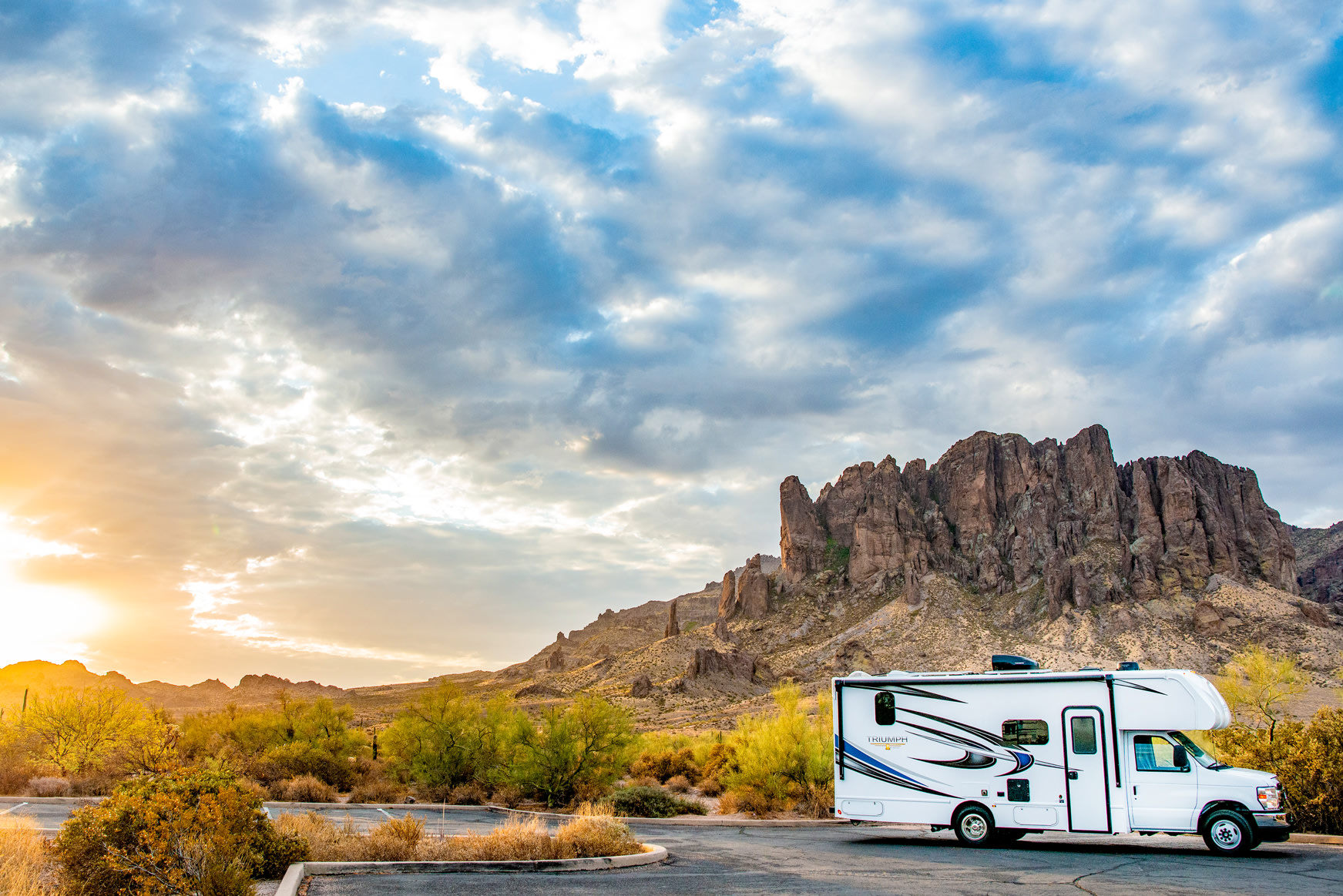
Class C
2026 Nexus Triumph 24TS - Sleeps 5 - Unlimited Mileage - Las Vegas
from $475 / night
Check availability →
Expert-reviewed RV rental companies with transparent pricing. Find your perfect desert RV from $130-190/day.
Prices as of July 2026 · confirm live rates at checkout.
from $475 / night
Check availability →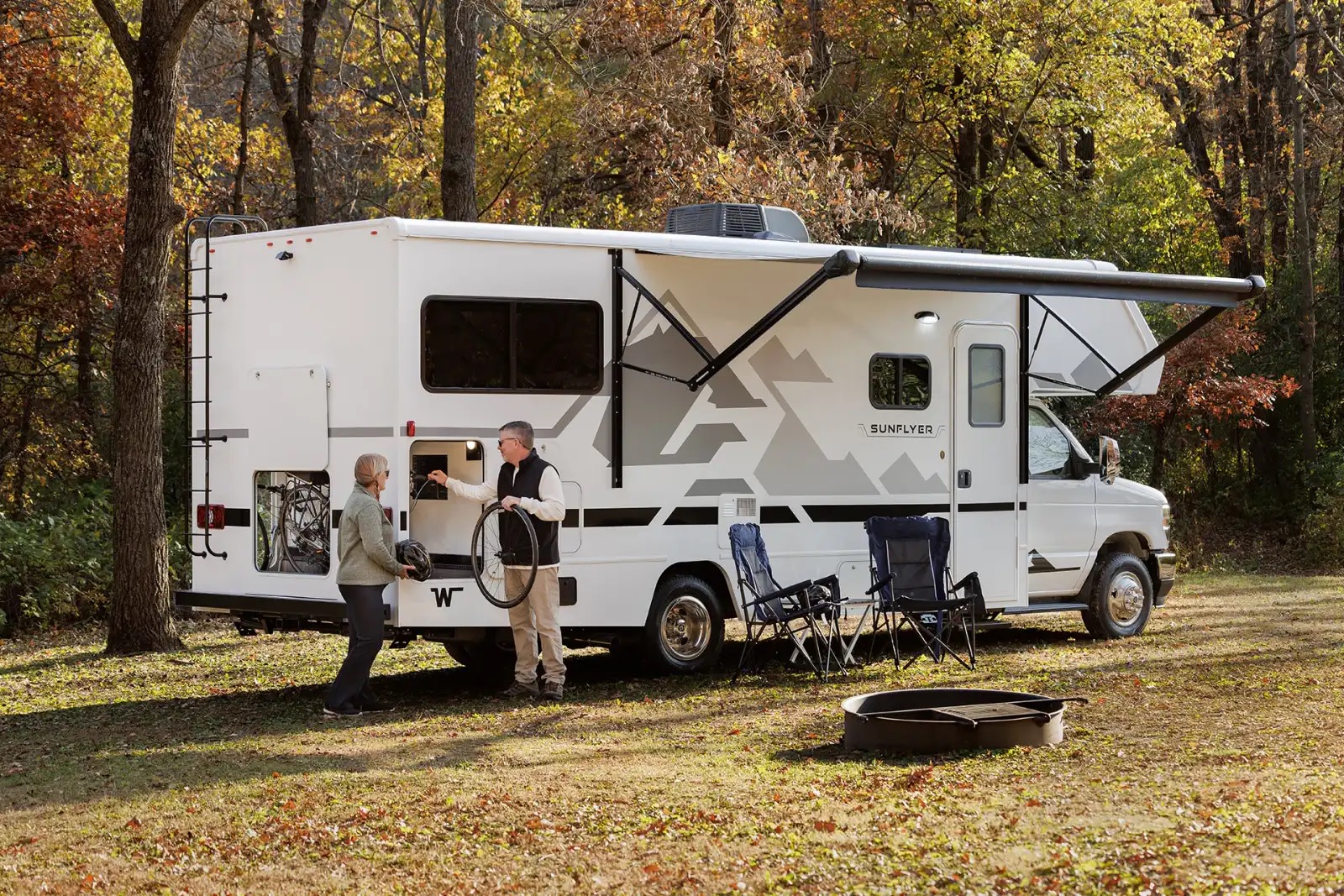
from $500 / night
Check availability →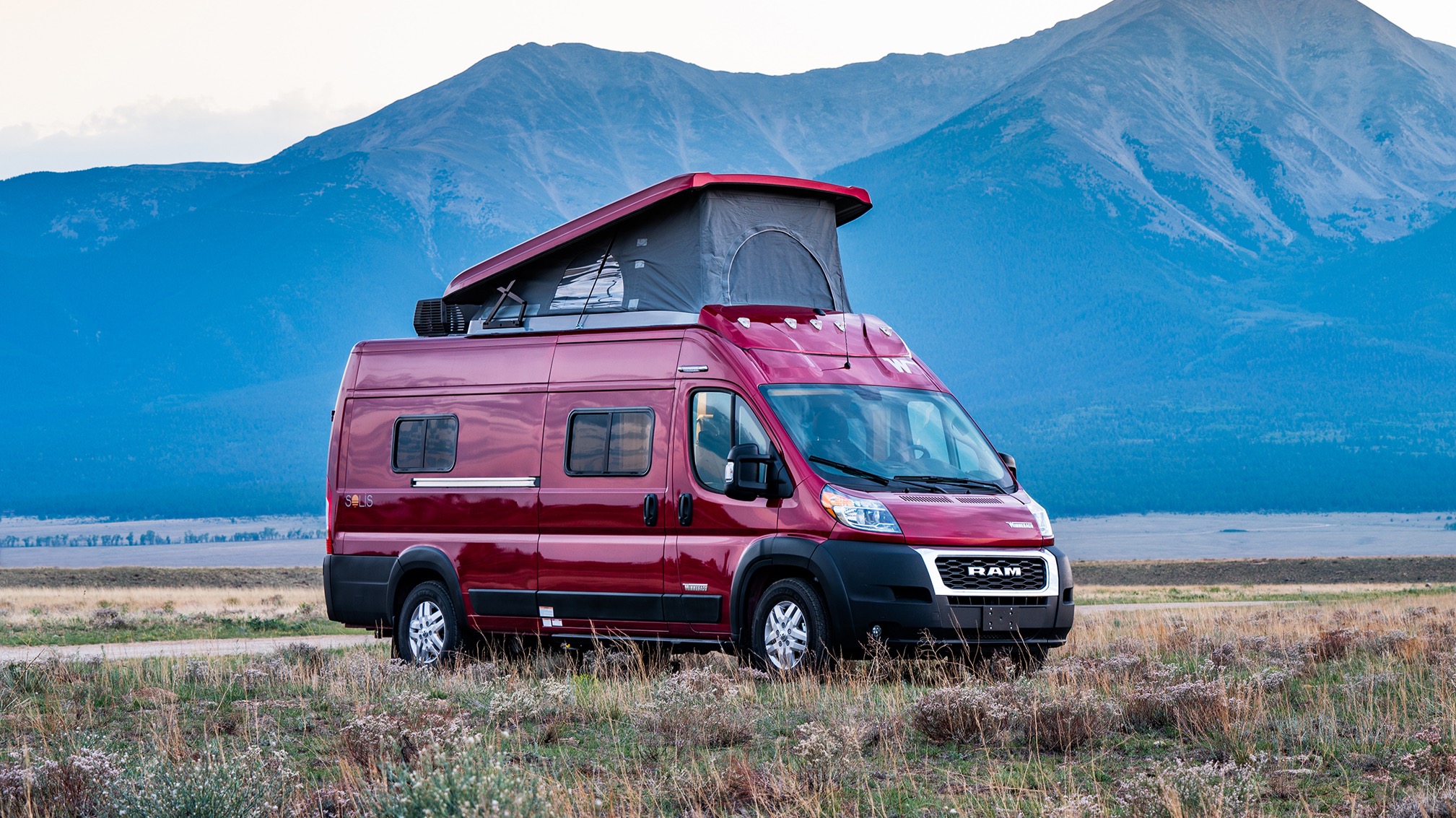
from $275 / night
Check availability →
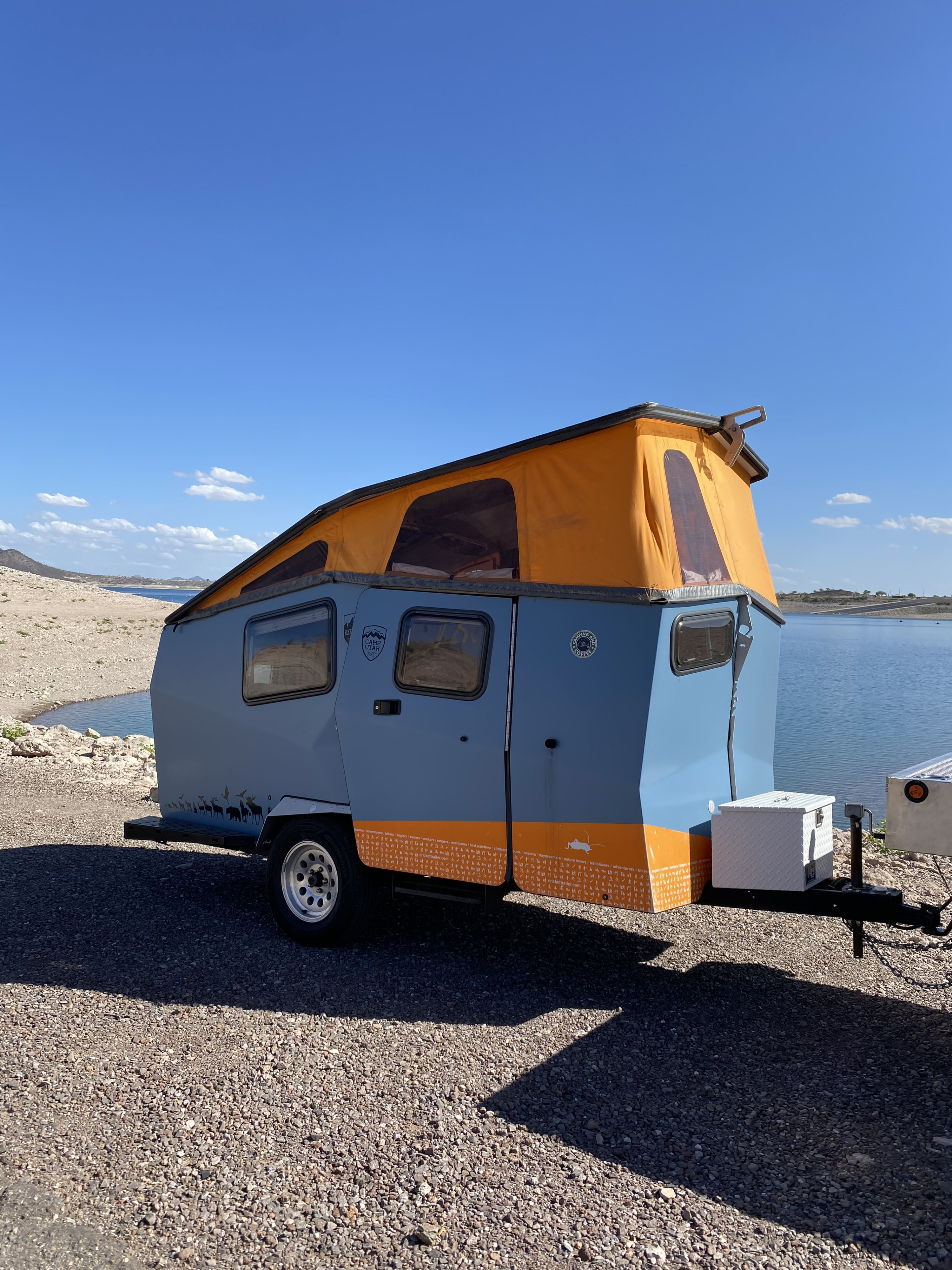
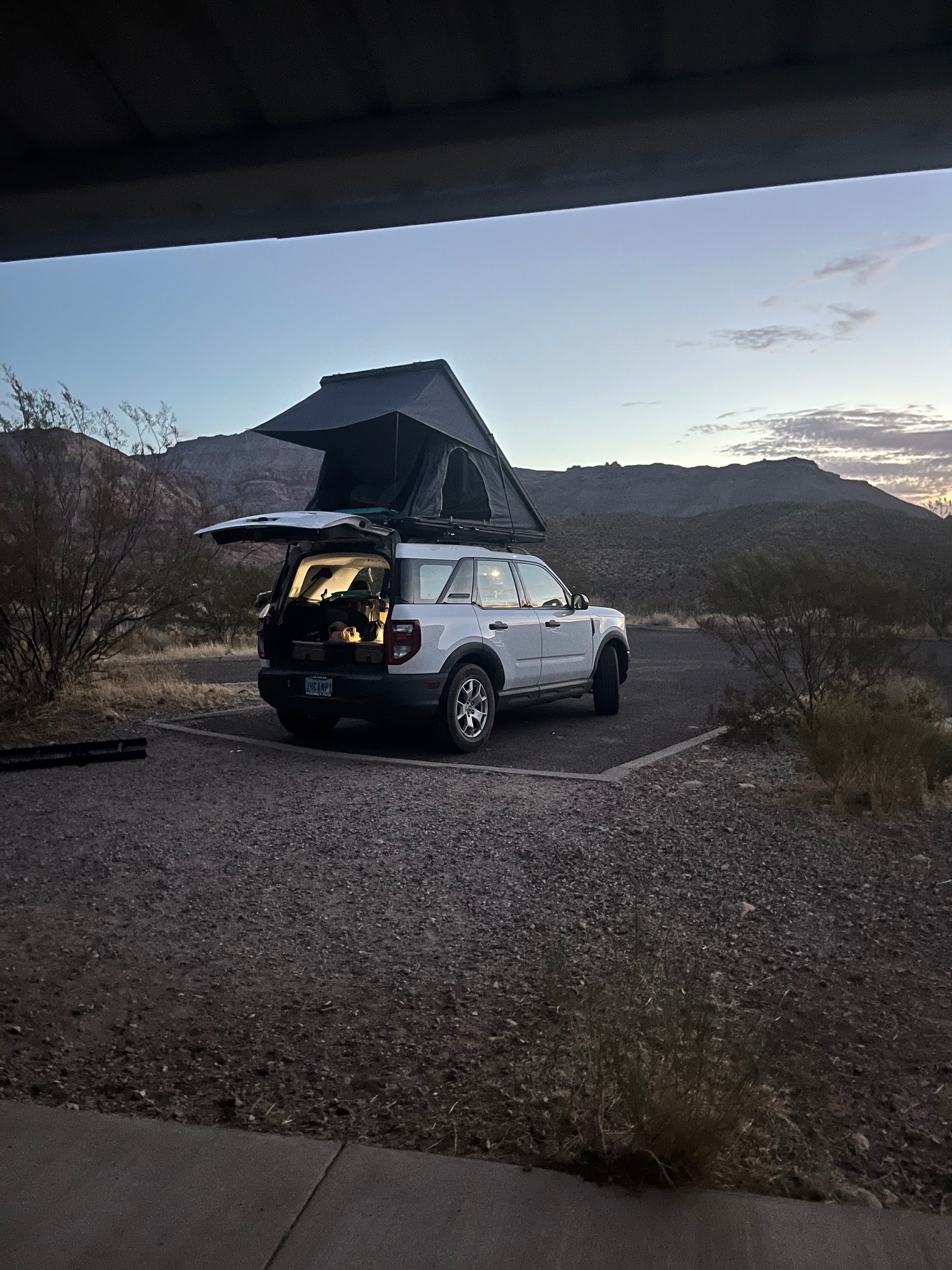
from $98 / night
Check availability →Everything you need to know at a glance
Our team has personally reviewed and tested these rental companies serving Las Vegas. Each listing includes honest pros AND cons.
| Company | Rating | Starting Price | Fleet Size | Mileage Policy | Best For | Browse Rentals |
|---|---|---|---|---|---|---|
| Fireside RV Rental | 4.8/5.0 ★ | $130/day | 25+ desert-ready vehicles | Unlimited miles included on all rentals | Families doing the national parks loop who want local expertise and no mileage surprises on 300+ mile desert drives | Browse Available RV Rentals → |
| Outdoorsy | 4.6/5.0 ★ | $185/day | 200+ private vehicles | Varies by owner, typically 100-150 miles/day included | Travelers using Vegas as a base for Grand Canyon, Zion, Bryce Canyon, and Death Valley National Park trips | Browse Available RV Rentals → |
| RVshare | 4.7/5.0 ★ | $155/day | 120+ private vehicles | Varies by owner, typically 100-125 miles/day included | Experienced renters who want variety and unique RV options for desert touring from Las Vegas | Browse Available RV Rentals → |

Ratings follow our testing methodology.
We've seen it starting from: $130/day
Fleet Size: 25+ desert-ready vehicles
Pickup Location: Las Vegas metro area, NV
Insurance: Basic liability included, supplemental damage coverage available for $20-30/day
Mileage Policy: Unlimited miles included on all rentals
Best For: Families doing the national parks loop who want local expertise and no mileage surprises on 300+ mile desert drives

We've seen it starting from: $185/day
Fleet Size: 200+ private vehicles
Pickup Location: Peer-to-peer platform, 200+ vehicles in Las Vegas/Henderson area
Insurance: Comprehensive $1M liability insurance included on every booking; physical damage protection starting at $35/day
Mileage Policy: Varies by owner, typically 100-150 miles/day included
Best For: Travelers using Vegas as a base for Grand Canyon, Zion, Bryce Canyon, and Death Valley National Park trips

We've seen it starting from: $155/day
Fleet Size: 120+ private vehicles
Pickup Location: Peer-to-peer platform, 120+ vehicles in Las Vegas metro area
Insurance: Rental insurance required, starts at $30/day through platform
Mileage Policy: Varies by owner, typically 100-125 miles/day included
Best For: Experienced renters who want variety and unique RV options for desert touring from Las Vegas
ℹ️ Company Information: Rental company details, including addresses, hours, and policies, are subject to change. While we strive to maintain accurate and up-to-date information, we recommend verifying all details directly with the rental company before making travel plans. If you notice outdated information, please contact us.

Valley of Fire State Park - 40,000 acres of blazing red Aztec sandstone, 55 miles northeast of Las Vegas
Looking for the perfect place to park your RV rental? We've personally reviewed these top-rated campgrounds in the Las Vegas area. Each offers hookups, desert access, and proximity to national parks and recreation areas.

Las Vegas, NV (South Las Vegas Blvd)

Las Vegas, NV (Boulder Highway)

Red Rock Canyon NCA, NV (17 miles west)

Boulder City, NV (30 miles southeast)

Overton, NV (55 miles northeast)
Each campground serves a different purpose. Las Vegas RV Resort is best for Strip access — park the RV and Uber to shows and restaurants for $10-15. Oasis Las Vegas RV Resort is the pick for families who want resort amenities and a pool to cool off in after desert hikes. Red Rock Canyon Campground is for those who want real desert solitude 30 minutes from Vegas (but no hookups, so bring a full tank and conserve water). Lake Mead RV Village puts you at the lake for fishing and boating. Valley of Fire is the crown jewel — arrive at sunset for some of the most dramatic scenery in the Southwest. Valley of Fire and Red Rock Canyon campgrounds fill up fast on spring weekends — book through reserveamerica.com or recreation.gov as early as possible.
Understanding the true cost of renting an RV in Las Vegas goes beyond the daily rate. Note: Prices vary by season and demand. Nevada has no state income tax, but Clark County sales tax applies to rentals.
Rate ranges are listed in our RV rental cost guide.
Prices vary by season and demand. Contact vendors for current rates.
| Season | Months | Class B Van | Class C | Class A | Demand |
|---|---|---|---|---|---|
| Peak Spring | March - May | $145-210/day | $195-265/day | $290-410/day | Very High |
| Fall Shoulder | September - November | $125-175/day | $160-225/day | $240-345/day | Medium-High |
| Winter Mild | December - February | $100-150/day | $130-185/day | $200-295/day | Medium |
| Summer Off-Season | June - August | $85-130/day | $110-165/day | $175-270/day | Low |
Scenario: Couple, Class C Motorhome, Spring season (April), 900 total miles driven (Valley of Fire, Lake Mead, Zion National Park, Red Rock Canyon, Death Valley day trip)
| Base Rental (7 days @ $165/day) | $1,155 |
| Supplemental Insurance ($30/day x 7) | $210 |
| Generator Package (unlimited, $35/day x 7) | $245 |
| Mileage (Unlimited with Fireside RV) | $0 |
| Prep Fee (one-time) | $50 |
| Propane Refill | $35 |
| Campground Fees (mix of state park, NRA, & RV resort, 6 nights) | $240 |
| Fuel (approx. 110 gallons @ $3.80/gallon — desert highway driving) | $418 |
| Clark County Sales Tax (8.375% on rental) | $139 |
| America the Beautiful Annual Pass (covers all national parks) | $80 |
| Valley of Fire State Park entry ($10/vehicle) | $10 |
| Total Trip Cost | $2,582 |
Note: This example doesn't include food, Vegas entertainment, or souvenirs. Desert highway driving is relatively fuel-efficient on flat terrain, but AC usage adds 10-15% to fuel consumption. There is no Zion tunnel fee to budget for any more; an oversize rig is turned around rather than charged.
Coverage tiers are compared in our RV rental insurance guide.
Expect a $500-2,000 hold by RV class, released after inspection.
⚠️ Pricing Disclaimer: Figures are estimates; confirm live listing prices before booking. Last updated: March 2026.

Red Rock Canyon - 13-mile scenic loop through Mojave Desert canyon, just 17 miles from the Strip
Las Vegas has both local pickup options and easy airport access from Harry Reid International (LAS), just 5 miles from the Strip. Here's everything you need to know about getting your RV and heading into the desert.
Las Vegas metro area, NV
Distance from LAS Airport: 10-20 miles (15-25 minutes)
Hours: By appointment (flexible scheduling available)
After-Hours: Flexible pickup/drop-off available with advance notice
Parking: Free secure parking for your vehicle during rental
Transportation: Uber/Lyft from LAS costs $15-25
One-Way Rentals: Limited, contact directly for availability
Peer-to-peer owner locations across Las Vegas, Henderson, and Summerlin
Distance from LAS Airport: Varies by owner (typically 5-25 miles)
Hours: Flexible — coordinated directly with each owner
Airport Delivery: Many owners offer LAS delivery for $50-100
Parking: Arrangements vary by owner, usually free on-site
Insurance: $1M liability coverage included on every booking
One-Way Rentals: Rare on peer-to-peer platforms, inquire directly
Multiple private owner locations across Las Vegas valley
Popular Areas: Henderson, North Las Vegas, Southwest Las Vegas, Boulder City, Summerlin
Airport Proximity: Varies by owner, typically 5-20 miles from LAS
Hours: Flexible — arranged with individual owners
Airport Delivery: Some owners offer LAS airport area delivery for $50-100 fee
Parking: Arrangements vary by owner, usually free on-site parking
One-Way Rentals: Rare from Las Vegas area, inquire with owners
Most pickup lots offer free parking; confirm details with the owner.

Hoover Dam - 30 miles from Las Vegas, a must-stop on the way to Lake Mead and the Grand Canyon
Timing and strategy can save you hundreds on your Las Vegas RV rental. Here's what you need to know. Looking to explore other destinations? Check out our city guides for RV rental options across the country.
These are the mistakes that most often cost first-time renters money. These tips are specific to the Las Vegas area and the Mojave Desert — follow them and you'll avoid real problems. New to RVing? Read our first-time RV rental guide for beginner tips.
The Mistake: Booking a June-August trip because it's cheap, without understanding what 115°F actually means for you and your RV.
The Solution: If you do rent in summer, drive only before 10 AM or after 5 PM. Your RV's AC can only cool the interior about 20°F below outside temp — at 115°F, that means 95°F inside. Engines overheat on long grades. Tires blow out on scorching pavement. People die in the desert every summer because they underestimate it. If you must go in summer, stay close to Las Vegas, keep drives short, and never wander off paved roads without telling someone your plans. Carry at least 2 gallons of water per person per day.
Cost Impact: An overheated engine costs $3,000-8,000 to repair. A heat stroke ER visit at Sunrise Hospital costs $5,000-15,000. Both are preventable.
The Mistake: Heading to Valley of Fire, Death Valley, or BLM land with a half-full fresh water tank and one water bottle per person.
The Solution: Minimum 1 gallon per person per day for drinking alone. Fill your RV fresh water tank completely before leaving Las Vegas. Carry at least 5 extra gallons in jugs as backup. Cell service disappears 20-30 minutes outside Vegas in most directions, and a breakdown in the desert without water can become life-threatening within hours. This isn't fear-mongering — the Mojave kills unprepared visitors every year.
Cost Impact: Extra water costs $5-10. Dehydration rescue costs thousands and sometimes lives. No comparison.
The Mistake: Driving your 30-foot Class C down Las Vegas Boulevard thinking you'll find parking at a casino.
The Solution: The Strip has zero RV parking. Casino parking garages have height and length restrictions that exclude all RVs. Even the parking lots won't accommodate anything over 20 feet. Park your RV at an RV resort (Las Vegas RV Resort is 3 miles south of Mandalay Bay), then Uber or take the Deuce bus to the Strip. Round-trip rideshare costs $15-25 — a fraction of the headache you'll avoid trying to squeeze an RV through Strip traffic.
Cost Impact: Getting towed off the Strip runs $300-500 plus impound fees. Being stuck in Strip traffic in a 30-foot RV with no way to turn around is priceless misery.
The Mistake: Looking at a map, seeing Zion and the Grand Canyon "nearby," and planning to hit both in a single day.
The Solution: Distances from Las Vegas look deceptively short on a map. Zion is 2.5 hours one way. Grand Canyon South Rim is 4.5 hours one way. Death Valley is 2 hours. Bryce Canyon is 4 hours. In an RV doing 55-65 mph, these drives are longer than in a car. Plan one park per day minimum, two if they're on the same route (Zion and Bryce can be paired over 2-3 days). Don't try to see everything in a week — pick 2-3 parks and enjoy them.
Cost Impact: No direct cost, but rushing between parks means you miss the actual experience and burn extra fuel trying to cram in too much.
The Mistake: Driving on desert highways at 110°F+ without checking tire pressure, leading to a blowout at 65 mph.
The Solution: Check tire pressure every morning before driving — pavement temperatures above 140°F (which happens when air temp hits 100°F) cause tire pressure to rise 1-2 PSI for every 10°F increase. Over-inflated tires on scorching asphalt are blowout magnets. Under-inflated tires are even worse because they flex more and generate internal heat. Know your RV's correct tire pressure (it's on the driver door jamb or the tire sidewall) and check it cold, before driving.
Cost Impact: Roadside tire change in the desert: $200-500. Blowout damage to RV body/fender: $1,000-3,000. Loss of vehicle control at highway speed: priceless in the worst way.
The Mistake: Running your RV generator 12-16 hours a day to power the AC in summer, then getting a $500+ generator bill or killing the generator entirely.
The Solution: RV generators are rated for 8-12 hours of continuous use, not 16. In extreme heat, the generator itself overheats. If you're not at a campsite with shore power (30/50 amp hookups), your AC simply cannot keep up with 110°F+ heat no matter how long you run the generator. Solution: camp at RV parks with hookups during summer. If boondocking in summer (which we don't recommend for beginners), use reflective windshield covers, park in shade when possible, and drive during the heat of the day so your engine AC supplements the house AC.
Cost Impact: Generator overuse fees: $300-600. Generator repair/replacement if burned out: $1,500-4,000. Just plug into shore power.
The Mistake: Starting the 130-mile drive to Death Valley with a half tank of gas, one water bottle, and no cell service plan.
The Solution: Fill up at the last gas station before leaving the Las Vegas metro (Shell on US-95 at Indian Springs or in Pahrump). There is no reliable fuel for 60+ miles in some stretches. Death Valley itself has exactly one gas station at Furnace Creek, and it charges $7-9/gallon. Carry extra water, extra fuel if possible, and download offline maps before you lose cell signal. Tell someone your itinerary and expected return time.
Cost Impact: AAA desert tow can be $300-600 depending on distance. Running out of gas in Death Valley in summer is a genuine survival situation.
The Mistake: Driving away without running the RV air conditioning for 15-20 minutes to verify it actually cools — then discovering it's broken when you're parked in the desert at 105°F.
The Solution: At pickup, run the dash AC and the house AC simultaneously for at least 15 minutes with the doors closed. The interior should noticeably cool down. Check that the rooftop AC unit runs without strange sounds. In the desert, your AC is not a luxury — it's survival equipment. If it's not working properly, do not accept the RV. Request a different unit or reschedule.
Cost Impact: A non-functioning AC in the Las Vegas desert makes the RV uninhabitable. AC repair on the road: $500-1,500 plus the time lost waiting.
The Mistake: Reserving a Class C or Class A for a Zion leg on the assumption you can still pay your way through the Zion-Mount Carmel Tunnel, then being turned around at the entrance station with the whole day's plan gone.
The Solution: The escort is gone. The Park Service now states that a single vehicle over 35'9" long, 7'10" wide, 11'4" tall or 50,000 lbs will not be permitted to drive between Canyon Junction and the East Entrance, and that oversize vehicles arriving at the South or East Entrance are given instructions for turning around safely. Towing is capped at 50 ft total with a trailer no more than 26 ft from hitch to rear axle. Measure the rig before you book, because the limits count mirrors, tires, the roof AC unit and any bike rack: a Class C listed at 11 ft often measures past 11'4" once the AC is on top. Being oversize does not take Zion off the table, it takes the east side off the table. Come in the South Entrance and you can still camp at Watchman or South Campground, stay at Zion Lodge with a reservation, drive Zion Canyon Scenic Drive in the shuttle off-season, or park in the large vehicle lot by the Visitor Center if there is room. What you give up is the drive through to Bryce, which then routes over Highway 20 north of Cedar City, roughly 150 miles and 2.5 hours, or 63 miles more than the way you mapped it.
Cost Impact: The permit itself is only $15, but arriving without knowing about it during a 45-minute entrance line, then needing to get out of line and re-enter — that costs you 1-2 hours of park time.
The Mistake: Heading onto BLM land for free camping without understanding desert terrain, getting stuck in sand, and being 20 miles from cell service.
The Solution: Desert boondocking is incredible — the night skies are world-class and the solitude is real. But go prepared. Stay on established dirt roads (not sand washes). Don't drive off-road in a rented RV unless the surface is hard-packed. Carry a shovel, traction boards, extra water, and a physical map. Camp within sight of a paved road for your first desert boondocking experience. Popular and safer BLM spots include Lovell Canyon (45 minutes west), Nelson area (45 minutes south), and the Lake Mead shoreline areas with established pull-offs.
Cost Impact: Getting an RV stuck in desert sand and needing off-road towing: $500-2,000+. Damage to undercarriage from rocks or ruts: $1,000-5,000. Start with established spots.
Understanding RV rental insurance is important but confusing. Most Las Vegas renters choose supplemental damage coverage ($25-40/day) to reduce deductibles from $3,000-5,000 down to $500-1,000. Desert driving has specific risks that make insurance worth considering: windshield chips from gravel roads near Valley of Fire and BLM campsites, tire blowouts from extreme heat, sand damage to paint and finishes, and rock strikes on unpaved park roads. If you're driving to multiple national parks on gravel roads, zero-deductible coverage makes sense. Coverage tiers are compared in our RV rental insurance guide.
Once you've picked up your RV rental in Las Vegas, you're at the gateway to the American Southwest's greatest parks. Drive 55 minutes to Valley of Fire for blazing red sandstone, or tackle the 4.5-hour drive to the Grand Canyon for views that don't need any description. Check out our campground guides for more destination ideas.
55 miles
Perfect for desert exploring with dramatic Southwest scenery.
17 miles
Perfect for desert exploring with dramatic Southwest scenery.
30 miles
Perfect for desert exploring with dramatic Southwest scenery.
160 miles
Perfect for desert exploring with dramatic Southwest scenery.
275 miles
Perfect for desert exploring with dramatic Southwest scenery.
130 miles
Perfect for desert exploring with dramatic Southwest scenery.
265 miles
Perfect for desert exploring with dramatic Southwest scenery.
290 miles
Perfect for desert exploring with dramatic Southwest scenery.
Connect with local tourism boards, parks, and services specific to the Las Vegas and southern Nevada region:
Official Las Vegas tourism information
State parks camping and reservation info
Lake Mead National Recreation Area info and camping
Dispersed camping, BLM land access, and fire restrictions
Real-time Nevada road conditions and construction alerts
National Weather Service - Las Vegas forecast office

Desert stargazing from your RV — 30 minutes from the Vegas Strip, the Milky Way fills the sky over BLM land
Get answers to the most common questions about renting an RV in Las Vegas, organized by category for easy reference. For first-time renters, check out our first-time RV rental guide. Have more questions? Contact us and we'll help you out.
RV rental prices in Las Vegas typically range from $130 to $290 per day, depending on the size and type of RV. Class C motorhomes are the most popular for desert touring ($150-215/day), while smaller camper vans start around $110-155/day. Weekly rentals offer better value at $850-$1,500 per week. Factor in additional costs like insurance ($25-40/day), mileage overages ($0.35-0.45/mile), and generator usage ($3-5/hour). Spring season rates (March-May) run 20-30% above winter.
No special license required in Nevada. A standard driver's license works for RVs under 26,000 lbs, which covers all rental RVs. Nevada doesn't require a CDL for personal RV use regardless of length. Rental companies typically require: age 25+, valid license held for 3+ years, and clean driving record. International visitors need a valid passport and International Driving Permit (IDP) plus home country license.
Spring (March through May) and fall (September through November) are the sweet spots. Temperatures stay in the 70-85°F range, and national parks are at their best. Summer (June through August) is dangerous — air temperatures exceed 110°F regularly, pavement temps hit 160°F, and your RV AC unit will struggle to keep the interior below 85°F. Winter (December through February) is cool and pleasant for the desert (50-65°F days, 30-40°F nights) with the lowest rental prices of the year. Avoid the week of CES in January and major fight weekends when everything in Vegas costs double.
Book 2-3 months ahead for spring (March-May), especially if you want specific RV types. Major event weekends like CES, the Super Bowl, or big fight nights need 3-4 months advance booking. Fall (October-November) books out 6-8 weeks early as snowbirds and park visitors overlap. Summer has the most availability because extreme heat scares off casual renters — 2-3 weeks notice is usually fine. Last-minute rentals work June through August and December through February.
No. The Las Vegas Strip does not allow RV parking, period. No casino offers RV parking on the Strip itself. Your options: park at an RV resort (Las Vegas RV Resort on South Las Vegas Blvd, Oasis Las Vegas RV Resort on South Boulder Highway), then Uber or taxi to the Strip for $10-20. Some off-Strip casinos like Circus Circus have oversized vehicle parking but it's not designed for overnight RV stays. Sam's Town on Boulder Highway has a small RV park. Bottom line — treat your RV as a base camp outside the Strip and rideshare in.
Class C motorhomes (24-28 feet) are the best all-around choice for desert touring. They handle I-15 and I-40 well, fit in state park and national park campground sites, and have enough cooling capacity for moderate heat. Travel trailers (20-26 feet) work if you have a tow vehicle, but desert heat punishes tow vehicles harder. Avoid large Class A motorhomes (35+ feet) unless you're staying at resort-style RV parks — national park campground roads and state park sites struggle with big rigs. Campervans are perfect for couples doing the national parks circuit since they fit anywhere and sip fuel.
Las Vegas is the single best RV launch point in the American West for national park access. Within a day's drive: Zion (2.5 hours), Bryce Canyon (4 hours), Grand Canyon South Rim (4.5 hours), Death Valley (2 hours), Joshua Tree (3.5 hours), Great Basin (4.5 hours), and the Grand Staircase-Escalante (4 hours). You can hit 5-7 national parks in a 10-14 day loop. Plus Vegas has every supply store you need — Camping World, REI, multiple Walmarts, Costco — so you can stock up before heading into remote areas where the next grocery store is 100 miles away.
Common hidden fees include: generator usage ($3-5/hour, and you'll run it constantly in summer heat), mileage overages ($0.35-0.45/mile beyond daily allowance), cleaning fees if returned dirty ($75-200, desert dust gets everywhere), late return charges ($50-100/hour), propane refill if not returned full ($25-75), dump fees if not emptied ($50-100), prep fees ($50-150), pet cleaning surcharge ($150-250), and additional driver fees ($5-15/day). Clark County sales tax is 8.375% on RV rentals. Always request a full fee breakdown before booking.
Basic insurance is included with most rentals and covers minimum liability. Supplemental insurance ranges from $25-40 per day for damage waiver coverage that drops your deductible from $3,000-5,000 down to $500-1,000. Full zero-deductible coverage costs $35-50/day. For a 7-day rental, expect to pay $175-350 for insurance. Desert driving has specific risks — windshield chips from gravel roads, paint damage from sand storms, and tire blowouts from extreme heat. Windshield coverage is worth adding if you're driving gravel roads to BLM campsites.
For a week-long rental, budget: Base rental $900-1,500 (Class B-C average), insurance $175-280, generator package $200-250 (you'll run it more in heat), cleaning fee $75-125, propane/dump fees $50-100. Total rental costs: $1,400-2,300 depending on RV class and options. Add campground costs ($25-65/night x 7 = $175-455), fuel ($200-400 for desert highway driving), national park passes ($35 per park or $80 America the Beautiful annual pass), and food. Expect $2,100-3,800 all-in for a comfortable week hitting national parks from Las Vegas.
Yes, but the pattern is opposite of most cities. Peak spring (March-May): $165-250/day — highest demand as everyone wants 75°F desert weather. Fall shoulder (September-November): $140-210/day, 15-25% savings with comfortable temperatures returning. Summer off-season (June-August): $100-160/day, 30-40% savings because extreme heat scares off most renters. Winter mild season (December-February): $110-170/day, 20-30% savings with pleasant daytime temps but cold desert nights. Major Vegas events (CES, Super Bowl, big fights) spike all rental prices regardless of base season.
Security deposits typically range from $500-2,000 depending on RV class and rental company. Class B vans: $500-1,000, Class C motorhomes: $1,000-1,500, Class A motorhomes: $1,500-2,000. Deposits are authorized (not charged) on a credit card at pickup and released 3-7 business days after return if no damage. Peer-to-peer platforms may hold deposits slightly longer (7-14 days) pending owner inspection. Desert dust and sand are not considered damage — but verify the return condition standards before you go.
Yes, common discounts include: Early booking discounts (10-15% off for 60+ days advance), weekly rentals (typically 10-20% off daily rate), monthly rentals (30-40% off — popular with snowbirds), military/veteran discounts (5-10% — Nellis Air Force Base and Creech AFB families should always ask), AAA/AARP discounts (5-10%), and last-minute summer deals (20-40% off because nobody wants to RV in 115°F heat). Peer-to-peer platforms run first-time user promo codes ($50-100 off). One-way relocation deals occasionally pop up when companies need vehicles moved from Vegas to LA or Phoenix — ask about them.
Required documents: Valid driver's license (held for 3-5 years depending on company), major credit card in driver's name (for security deposit), proof of insurance or agreement to purchase rental insurance, and government-issued photo ID. International renters need: Valid passport, international driver's permit (IDP) plus home country license, and may face additional deposit requirements ($500-1,000 extra). Las Vegas sees a lot of international renters — companies are used to the process.
No rental companies operate directly at LAS Airport, but several are within 15-30 minutes. Cruise America has a Las Vegas location (15-20 minutes from LAS). Fireside RV Rental offers pickup in the Las Vegas metro area by appointment. Numerous RVshare owners operate within 10-20 miles of LAS. Uber/Lyft from LAS to pickup locations costs $15-30. Pro tip: LAS is one of the busiest airports in the country — rideshare pickup is on Level 2 of the parking garage, not curbside. Follow the signs or you'll walk in circles.
Most corporate rental companies require a minimum 3-day rental. Peer-to-peer platforms on RVshare often allow 1-2 night minimums, though nightly rates are higher. During spring peak (March-May), many companies enforce 5-7 day minimums, especially over holiday weekends. Weekend-only rentals (Fri-Mon) are available year-round from most owners since Vegas has steady demand. Summer minimums drop — companies want the vehicles moving.
Cancellation policies vary by company. Cruise America: Full refund if cancelled 30+ days before, 50% refund 15-29 days, no refund within 14 days. RVshare: Flexible (full refund up to 48 hours before), Moderate (full refund up to 7 days before), or Strict (full refund up to 30 days before) depending on owner. Travel insurance ($50-100) can protect against unforeseen cancellations. If you're booking around a major Vegas event, get cancellation coverage — event cancellations can cascade into travel disruptions.
Yes, most companies allow additional drivers but they must meet the same requirements (age 25+, valid license, 3-5 years experience). Additional driver fees range from free (spouse/domestic partner) to $5-15 per day for other drivers. All drivers must be present at pickup to complete paperwork and be added to insurance. For desert highway driving, having two drivers is smart — I-15 to Zion is 2.5 hours of straight empty highway, and desert hypnosis is a real phenomenon.
Overnight RV parking options in Las Vegas: 1) RV parks like Las Vegas RV Resort ($40-75/night), Oasis Las Vegas RV Resort ($50-85/night), and Arizona Charlie's RV Park ($30-55/night). 2) Casino RV parking at Sam's Town ($20-40/night with hookups). 3) Some Walmart locations allow overnight parking (call ahead — the one on North Nellis Blvd has been friendly). 4) BLM land outside the city offers free dispersed camping (Lovell Canyon 45 minutes west, Nelson Hills 45 minutes south). Street parking an RV overnight is prohibited in most Las Vegas neighborhoods and will get you towed.
I-15, I-515, and US-95 through Las Vegas handle all standard RV sizes with no restrictions. Red Rock Canyon Scenic Loop is one-way and narrow — vehicles over 25 feet will struggle on curves and have limited parking options. Valley of Fire State Park accommodates most RVs but some campsites max out at 30 feet. Lake Mead NRA roads handle up to 40 feet on most routes. Zion National Park no longer sells a tunnel permit of any kind: a vehicle over 7'10" wide, 11'4" tall or 35'9" long is simply not allowed on the highway between Canyon Junction and the East Entrance, and oversize rigs arriving at the South or East entrance are given instructions for turning around. That covers most Class C and all Class A motorhomes, and the height is measured with the roof AC unit on. Most Las Vegas RV parks accept up to 45 feet.
No special permits required for RVs under 26,000 lbs (covers all rental RVs). Nevada doesn't require non-commercial vehicle permits regardless of length. You may need: National park entrance fees ($35 per park per vehicle, or $80 for America the Beautiful annual pass — pays for itself in 3 parks) and a Nevada fishing license if you plan to fish at Lake Mead ($18 for a 1-day non-resident, $69 annual). Nevada has no vehicle emissions or inspection requirements for visiting RVs. One permit people still ask about no longer exists: Zion dropped the oversized-vehicle tunnel permit in favor of a flat size limit, so a rig over 11'4" tall, 7'10" wide or 35'9" long is turned around at the entrance instead of being escorted through for a fee.
Nevada law requires children under 6 years old AND under 60 pounds to be in an appropriate child restraint system. Children 6 and older or over 60 pounds must use a seatbelt. In RVs, children must be seated in positions with proper lap/shoulder belts — dinette and sofa seats often don't qualify. Most Class C and A motorhomes have 2-4 proper seatbelt positions for car seats. Verify available positions before renting if traveling with young children. Rental companies don't provide car seats — bring your own.
Fire restrictions in southern Nevada are almost always in effect during summer. BLM land around Las Vegas frequently implements fire restrictions from May through October. Red Rock Canyon NCA, Lake Mead NRA, and Valley of Fire all have their own fire regulations that change based on conditions. Ground fires are typically banned on BLM desert land year-round. Charcoal grills may be restricted during high-wind or extreme-heat periods. Check the BLM Southern Nevada District or NPS Lake Mead websites before your trip. Your RV propane stove is typically exempt, but campfire plans should be confirmed. Violations on federal land carry fines of $5,000+ and potential criminal charges.
Top 5 routes from Las Vegas: 1) Las Vegas to Valley of Fire via I-15/Valley of Fire Highway (55 miles, 1 hour, stunning red sandstone formations and ancient petroglyphs), 2) Las Vegas to Red Rock Canyon via W Charleston Blvd (17 miles, 30 minutes, 13-mile scenic loop through Mojave Desert canyon), 3) Las Vegas to Zion National Park via I-15 North (160 miles, 2.5 hours, one of America's most dramatic canyon parks), 4) Las Vegas to Grand Canyon South Rim via US-93/I-40 (275 miles, 4.5 hours, with a Hoover Dam stop on the way), 5) Las Vegas to Death Valley via US-95/NV-373 (130 miles, 2 hours, lowest point in North America at Badwater Basin).
Best RV-friendly fuel stops near Las Vegas: 1) Pilot Travel Center on I-15 at Speedway Blvd (pull-through lanes, diesel, full services), 2) Loves Travel Stop on I-15 South near Jean/Primm (last major fuel before California border), 3) Terrible's/Chevron on Boulder Highway (easy access, competitive prices), 4) Shell on US-95 North in Indian Springs (last fuel before Death Valley route and Extraterrestrial Highway), 5) Chevron at the I-15/NV-169 junction (fuel up before Valley of Fire — no gas inside the park). Budget 6-10 mpg for highway driving — desert AC use increases fuel consumption 10-15%. Expect $200-400 for a week of national park touring.
Desert RV driving survival rules: 1) Check tire pressure every morning — hot pavement expands tires and blowout risk spikes above 100°F ambient. Under-inflation on hot roads is the #1 cause of RV tire failure. 2) Carry at least 1 gallon of water per person per day plus extra engine coolant. Cell service dies 20 minutes outside Vegas in most directions. 3) Never pass a gas station below half tank — there's a 90-mile stretch of nothing on the Extraterrestrial Highway and 60+ miles of empty desert between Vegas and Death Valley. 4) Summer driving should happen before 10 AM or after 5 PM when possible. Midday desert heat overworks your engine and transmission. 5) Sand storms appear with minutes of warning — pull over, turn off the engine, and wait. Driving in sand reduces visibility to zero. 6) Your RV AC cannot keep up above 115°F — it's designed for a 20°F differential, meaning 95°F outside is its max effective range.
Dump stations near Las Vegas: Las Vegas RV Resort ($15 for non-guests), Oasis Las Vegas RV Resort ($15 for non-guests), Pilot Travel Center on I-15 ($10), Camping World on S Decatur Blvd (check availability). Propane refills: U-Haul locations on Boulder Highway and W Tropicana Ave ($2.75-3.50/gallon), Blue Rhino exchanges at Walmart and Home Depot ($20-25 per tank), AmeriGas on E Sahara Ave. Budget $25-50 for propane on a week-long trip — winter nights drop to 30°F in the desert and you'll burn through propane faster than expected.
Best routes to major parks from Las Vegas: Zion National Park — I-15 North through Mesquite, exit at Hurricane/La Verkin (2.5 hours, easy highway). Grand Canyon South Rim — US-93 South to I-40 East, then AZ-64 North (4.5 hours, long but flat). Death Valley — US-95 North to NV-373 South (2 hours, remote with no services for 60+ miles). Bryce Canyon — I-15 North to UT-20 East to US-89 South (4 hours, scenic). Great Basin — US-93 North to US-50 (4.5 hours, the Loneliest Road in America — fill up in Ely). Valley of Fire — I-15 North to Valley of Fire Highway (55 minutes, easy day trip). Buy the $80 America the Beautiful annual pass at your first park — it covers entrance to all national parks and most federal recreation areas for 12 months.
📋 General Disclaimer: The information on this page is provided for general informational purposes only. RV rental policies, prices, and availability change frequently. Always verify critical information (insurance requirements, mileage policies, fees, etc.) directly with the rental company before booking. BestRV is not responsible for changes to third-party policies or pricing.